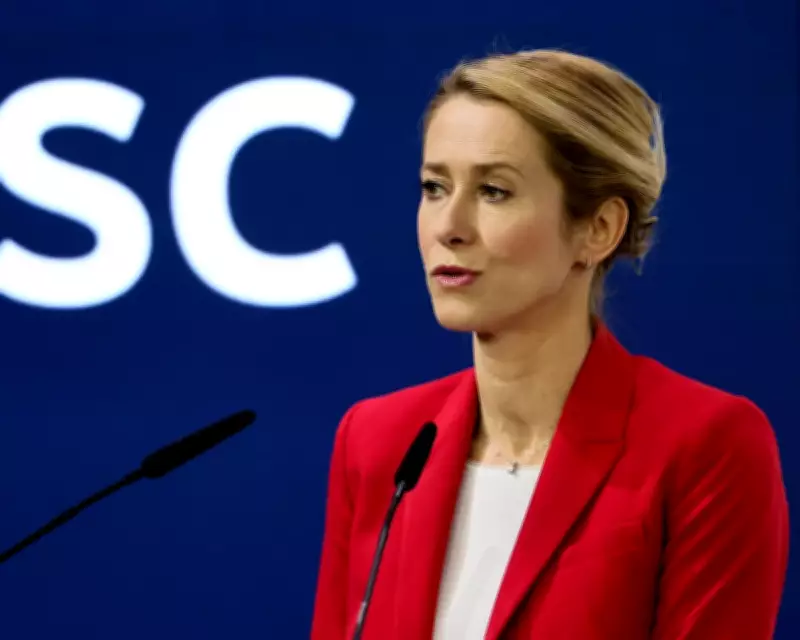
The European Union's foreign policy chief has issued a sharp rebuke to the United States, condemning what he describes as a 'fashionable' trend of 'Euro-bashing' in American political and media circles. This criticism underscores escalating strains in transatlantic relations, with the EU official pointing to recent trade disputes and diplomatic disagreements as evidence of a troubling shift in US attitudes toward Europe.
Growing Tensions Over Trade and Policy
In a strongly worded statement, the EU foreign policy chief highlighted specific instances where US actions have been perceived as undermining European interests. He cited ongoing trade negotiations, where the US has imposed tariffs on EU goods, and policy divergences on issues such as climate change and global security. The chief argued that this 'Euro-bashing' is not only damaging to bilateral relations but also risks weakening the broader Western alliance at a time of global instability.
Impact on Diplomatic Cooperation
The criticism comes amid concerns that the US's approach could hinder joint efforts on international challenges, including responses to conflicts in Ukraine and the Middle East. The EU official emphasized that constructive dialogue and mutual respect are essential for maintaining effective transatlantic partnerships. He warned that persistent negativity from the US could lead to a fragmentation of coordinated foreign policy initiatives, potentially leaving both sides less equipped to address global threats.
Historical Context and Future Outlook
Historically, the US and EU have been close allies, but recent years have seen increased friction, particularly under previous US administrations. The current EU foreign policy chief's remarks suggest that these tensions persist, with 'Euro-bashing' becoming a recurring theme in American discourse. Looking ahead, he called for a renewed commitment to diplomacy and collaboration, urging US leaders to move beyond divisive rhetoric and focus on shared goals for economic stability and international security.
This public criticism marks a significant moment in EU-US relations, as it reflects growing European frustration with perceived American hostility. Observers note that such statements could influence upcoming diplomatic meetings and trade talks, potentially shaping the future of transatlantic cooperation in an increasingly multipolar world.