End of an Era: Japan's Panda Diplomacy Concludes with Return of Twin Bears to China
The panda house at Tokyo's Ueno Zoological Gardens remains closed to the public, yet devoted visitors continue to gather outside its entrance, capturing final photographs alongside murals depicting the facility's most cherished inhabitants. Nearby, the gift shop experiences unprecedented demand for themed merchandise, ranging from plush toys and stationery to commemorative T-shirts and biscuits.
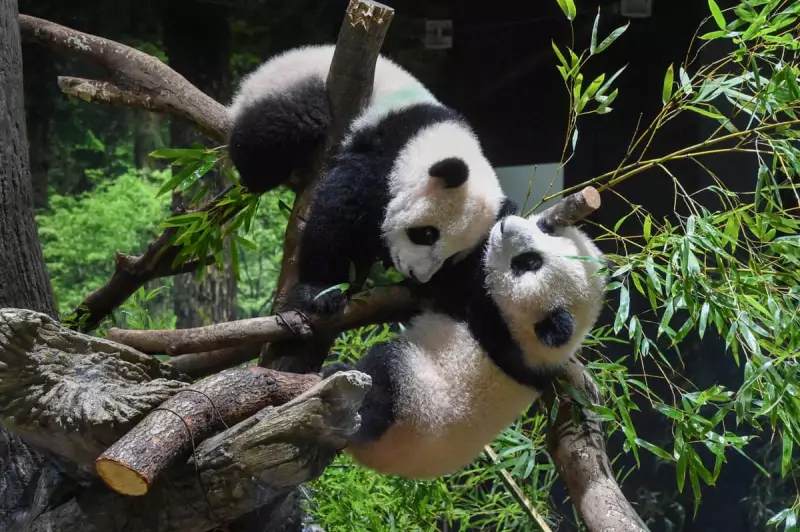
These emotional scenes mark the impending departure of twin giant pandas Xiao Xiao and Lei Lei, who are scheduled to be transported from Tokyo's Narita airport to China early next week. Born at the zoo in 2021 under a loan agreement with China, the siblings will undergo quarantine before reuniting with their sister Xiang Xiang at a conservation and research centre in Sichuan province.
Diplomatic Symbolism and Deteriorating Relations
This departure represents more than simply the loss of beloved animals for Japanese admirers; it signifies a profound shift in diplomatic relations between China and Japan. For the first time since 1972, when the two nations normalised diplomatic ties following the Second World War, Japan will be without any giant pandas on loan.

Over the past five decades, China has loaned more than thirty endangered pandas to Japanese zoos, creating enduring connections with countless animal enthusiasts across the nation. The panda exchange programme has weathered numerous political challenges, including leadership changes, territorial disputes over the Senkaku Islands, and periods of heightened tension.
However, current diplomatic strains concerning Taiwan's future have proven insurmountable for panda diplomacy. Japanese Prime Minister Sanae Takaichi's recent remarks about potential military deployment in response to Chinese actions towards Taiwan provoked fierce criticism from Beijing, which accused Japan of interfering in internal affairs.
Cultural and Economic Ramifications
The diplomatic chill has extended beyond political discourse, significantly impacting cultural exchanges and economic connections. Chinese tourism to Japan has dramatically declined following travel advisories from Beijing, while numerous cultural events designed to foster bilateral understanding have been cancelled or postponed.
Despite formal requests from the Tokyo metropolitan government for replacement pandas, Chinese authorities have indicated no plans to send new animals to Ueno Zoo. A recent editorial in the state-controlled Beijing Daily quoted a Chinese expert suggesting that persistent tensions could permanently end panda loans to Japan.
Professor Rumi Aoyama, an expert in Japan-China relations at Waseda University, observes that "giant pandas function mainly as symbols of Sino-Japanese friendship rather than as drivers of bilateral relations. Their presence here doesn't in itself advance ties, and nor does their return to China undermine them. Instead, they serve as indicators of the broader state of relations between the two countries."
Public Sentiment and Limited Access
Japanese citizens fortunate enough to secure tickets through an oversubscribed online lottery have expressed profound disappointment about the pandas' departure. One visitor from Saitama prefecture lamented, "It's such a shame this is the last time I'll be able to see them. It feels like we're being picked on by the Chinese government."
Since mid-December, Ueno Zoo has implemented strict access controls, limiting daily visitors to 4,800 people through a reservation-only lottery system during the pandas' final twelve days in Japan. This measure followed unprecedented crowds after the departure announcement, with some enthusiasts waiting up to six hours for brief viewing opportunities.
A lottery winner from Kobe expressed frustration about the political dimensions, stating, "I know the diplomatic situation is sensitive, but it's frustrating that pandas have become mixed up in it." When questioned about visiting the twins in China, she responded unequivocally, "Absolutely not."

Historical Context and Future Prospects
The historical significance of panda diplomacy in Japan cannot be overstated. When the first loaned pandas, Kang Kang and Lan Lan, arrived fifty years ago, they attracted over 7.6 million visitors to Ueno Zoo. The emotional connection remains profound, as demonstrated when zookeepers mourned the death of Ling Ling, a male panda who had resided at Ueno since 1992.
Political analysts suggest that prospects for resuming panda loans under the Washington Convention on endangered species trade have diminished further following Prime Minister Takaichi's announcement of a snap general election. Her refusal to retract Taiwan-related statements has contributed to strong approval ratings, reducing incentives for diplomatic compromise before the election.
Professor Aoyama notes that "China has raised the bar by demanding a retraction of her statement, a condition Japan is unlikely to accept. As a result, there is little room for Japan to make any moves ahead of the election."
As the final lottery winners prepare to bid farewell to Xiao Xiao and Lei Lei this Sunday, emotions will undoubtedly run high. In the background, visitors without tickets queue patiently to photograph life-sized panda models, while banners featuring images of the beloved bears carry a simple, poignant message: "Thank you, Xiao Xiao."