Foreign Secretary Yvette Cooper Issues Stark Warning on Myanmar's Deepening Crisis
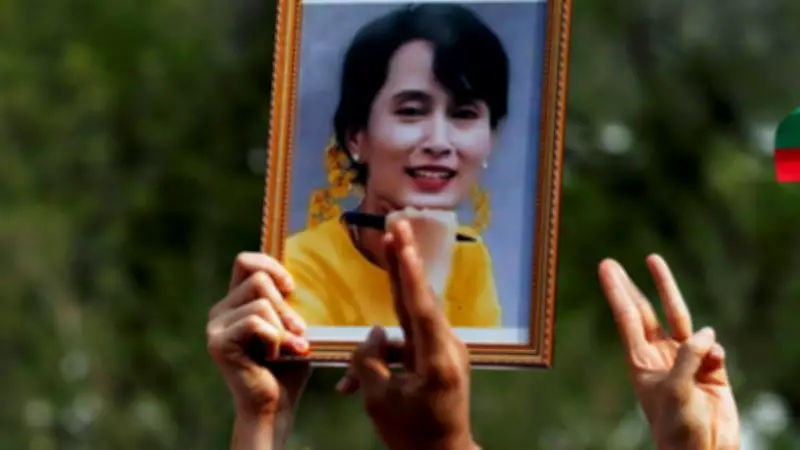
Foreign Secretary Yvette Cooper has issued a grave statement, marking five years since the military coup in Myanmar, warning of a deepening crisis for the nation's people. The coup, which occurred on 1 February 2021, forcibly removed Nobel Peace Prize laureate Aung San Suu Kyi as the elected leader, overturning the will of the people and stripping away their political freedoms, as emphasised by Ms Cooper.
Humanitarian and Educational Challenges Escalate
In her statement, Ms Cooper outlined the severe conditions on the ground, noting that half of Myanmar's children are now out of school, while women and girls endure persistent violence. The UK has responded by providing humanitarian assistance to over 1.4 million people and essential health services to 1.3 million in the past year, reaffirming its commitment to supporting a stable future for Myanmar.
However, the crisis continues to worsen, with crimes such as drug production and cyber scams flourishing, impacting regions far beyond Myanmar's borders, including the UK. The recent military-run elections have been condemned as neither free nor fair, further entrenching the regime's control.
Call for Action and International Solidarity
Ms Cooper called on the military regime to take immediate steps to alleviate the suffering, urging an end to airstrikes, unhindered humanitarian access, and the release of all political prisoners, including Aung San Suu Kyi. She stressed the need for genuine dialogue to achieve a democratic and peaceful transition, stating, Today and always, we stand in unwavering solidarity with the people of Myanmar.
Background and Ongoing Turmoil
Myanmar, also known as Burma, has been in political turmoil since the 2021 coup, with pro-democracy protests sparking a nationwide rebellion. According to the UN, around 3.6 million people have been displaced, and recent elections have been marred by violence and exclusion. Large segments of the population, including ethnic minorities like the Rohingya, were barred from voting, with many participating out of fear rather than choice.
The military-backed party claimed a sweeping victory in the three-phase general election, with a new president expected in March. Under Myanmar's political system, the military retains 25% of parliamentary seats, ensuring continued influence even in civilian-led administrations.
This situation underscores the urgent need for international attention and action to address the humanitarian and political crises in Myanmar.