Outrage as Colonial Painting 'Celebrating Invasion' Displayed at UK Embassy in Nigeria
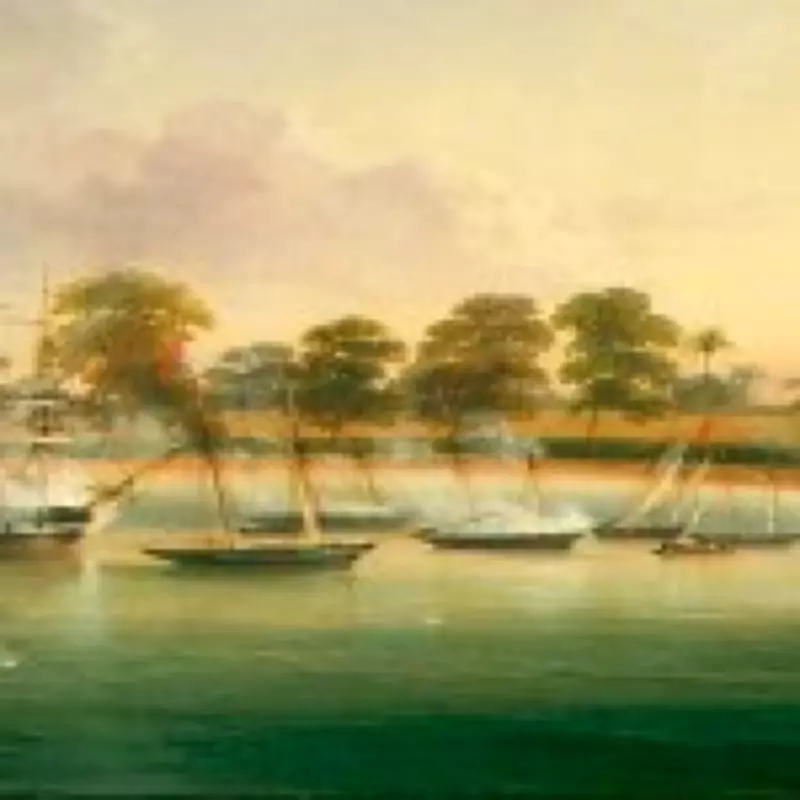
The Foreign Office has been branded 'disgusting' for installing an artwork at the British embassy in Nigeria that critics say 'celebrates' the country's invasion. The British Deputy High Commission in Lagos displayed a painting of a Royal Navy attack on the port city in 1851, which led to the deposition of the region's king, sparking widespread condemnation from historians and activists.
Historical Context and Diplomatic Fallout
The painting, titled 'British Men of War Attacked by the King of Lagos' by James George Philp, depicts the Reduction of Lagos in 1851. This event saw the Royal Navy storm the city, overthrow King Kosoko, and install their ally Akitoye, marking a precursor to full British colonisation of Nigeria in 1861. Officials installed the artwork after Labour came to power in July 2024, but now face calls for its removal amid fears it could undermine diplomatic relations.
British-Nigerian historians and activists argue the artwork gives the impression the government is 'celebrating' colonisation and regime change. In contrast, the Foreign Office insists it is intended to 'prompt reflection' on shared history. Hakim Adi, an award-winning British-Nigerian historian, stated the Foreign Office should be 'ashamed' for displaying a piece that 'celebrates invasion and regime change at a time when the world needs to condemn such crimes.'

Criticism from Scholars and Campaigners
Professor Kehinde Andrews, co-chair of the Black Studies Association, described the decision as 'frankly disgusting but not altogether surprising,' highlighting a 'lack of understanding of the horrors of empire.' Academic and campaigner Toyin Agbetu called it 'deeply distasteful' and urged the government to remove the painting, noting it 'celebrates colonial violence against Nigeria' and contradicts efforts to build positive relationships with African nations.
Kim Johnson MP demanded transparency on who authorised the installation, calling it 'deeply concerning.' The UK-based African Foundation for Development (AFFORD) warned the art could upset vital political ties, with Onyekachi Wambu stating it seems 'contradictory, even provocative' to display such artwork while Britain invests in strengthening diplomatic relations.
Debate Over Historical Interpretation
The motives for the 1851 invasion are contested. While the official explanation at the time was to replace a pro-slave trading king with an abolitionist rival, historians like J.F.A. Ajayi argue it was driven by British economic control. The Centre for Memories, a Nigerian museum, noted the event was 'not a neutral or benign episode in Nigerian history' and risks appearing as a celebration without clear contextualisation.
However, the Nigerian historical preservation group Legacy offered a different perspective, suggesting the painting acknowledges 'naval tenacity' during efforts to suppress the transatlantic slave trade. They view it as a 'provocative reminder of the forces that shaped modern Lagos,' rather than a celebration of regime change.
Artistic Context and Broader Implications
Since Labour's 2024 election win, over 20 paintings have been installed at the Deputy British High Commission in Lagos, including modern works by British-Nigerian artists like Yinka Shonibare and Joy Labinjo. Dr. Adebunmi Adeola Akinbo of Legacy praised the inclusion of contemporary voices, noting Shonibare's work deconstructs colonial identity and creates a 'silent, necessary dialogue' with the past.
Six artworks by Nigerian artists have been removed from the site, raising further questions about cultural representation. This controversy echoes past incidents, such as criticism of Buckingham Palace for displaying portraits linked to slavery, highlighting ongoing tensions in how colonial history is memorialised in diplomatic spaces.
A Foreign Office spokesperson reiterated that the embassy displays a range of art to 'prompt reflection, including on the complexity of our shared history,' and noted they hosted a descendant of the Kosoko family and historians to discuss the painting. The debate continues as calls for removal grow, underscoring the delicate balance between historical acknowledgment and diplomatic sensitivity.