
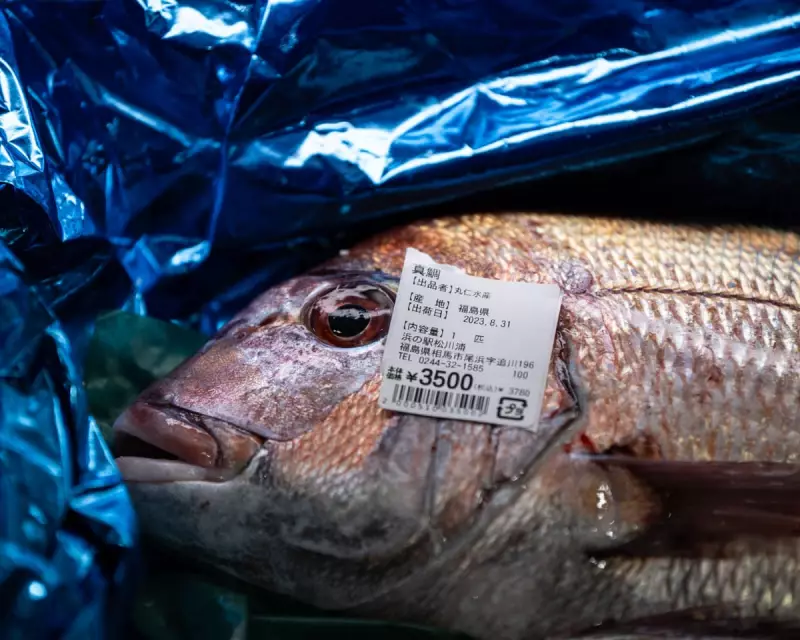
China has dramatically suspended all seafood imports from Japan, reigniting a major diplomatic confrontation between the two Asian powers. The move comes as retaliation for controversial remarks made by Japanese Prime Minister Sanae Takaichi regarding potential military intervention in Taiwan.
Escalating Diplomatic Crisis
The seafood ban represents one of the most significant bilateral disputes in recent years between China and Japan. Japanese media outlets Kyodo News and NHK first reported the suspension on Wednesday, with China's foreign ministry subsequently confirming the decision by stating there was "no market for Japanese seafood in the current climate."
This marks the second time China has imposed such restrictions, coming just months after Beijing partially lifted a previous ban implemented in 2023. The original prohibition was triggered by Japan's decision to release treated wastewater from the damaged Fukushima nuclear plant.
Taiwan Comments Spark Fury
The current crisis erupted when Prime Minister Takaichi told Japan's parliament earlier this month that her country could become militarily involved if China attacked Taiwan. She justified this position by stating such an event would constitute a threat to Japan's existence, invoking the nation's 2015 "collective self-defence" laws.
Beijing has reacted with outrage to these comments, repeatedly demanding Takaichi retract her statements and accusing her of issuing a "military threat" against China. Chinese officials have also characterised her remarks as pursuing a revival of Japan's prewar militarism.
Despite diplomatic efforts to ease tensions, including sending a high-ranking foreign ministry official to Beijing for talks earlier this week, Takaichi has not withdrawn her comments. Her government has maintained that Japan's self-defence policy remains unchanged.
Economic and Cultural Fallout
The seafood ban forms part of a broader pattern of Chinese retaliatory measures affecting multiple sectors. The economic impact could be substantial, given that the Chinese market, including Hong Kong, accounted for more than one-fifth of Japan's seafood exports before the initial 2023 ban.
Additional retaliatory actions taken by China include:
- Deploying coastguard vessels through disputed waters around the Senkaku Islands
- Sending military drones near Japan's westernmost territory
- Issuing travel warnings that prompted approximately 500,000 flight cancellations
- Suspending Japanese film releases and cancelling cross-cultural events
- Instructing state-owned enterprises to restrict staff travel to Japan
The diplomatic row has also reached international forums, with China's permanent representative to the UN, Fu Cong, declaring that Japan was "totally unqualified" for a permanent seat on the UN security council due to Takaichi's remarks.
As tensions continue to mount, the future of China-Japan relations appears increasingly uncertain, with the seafood ban representing just one facet of a rapidly deteriorating bilateral relationship.




