China Poised to Extend Visa-Free Policy to UK Citizens After High-Level Talks
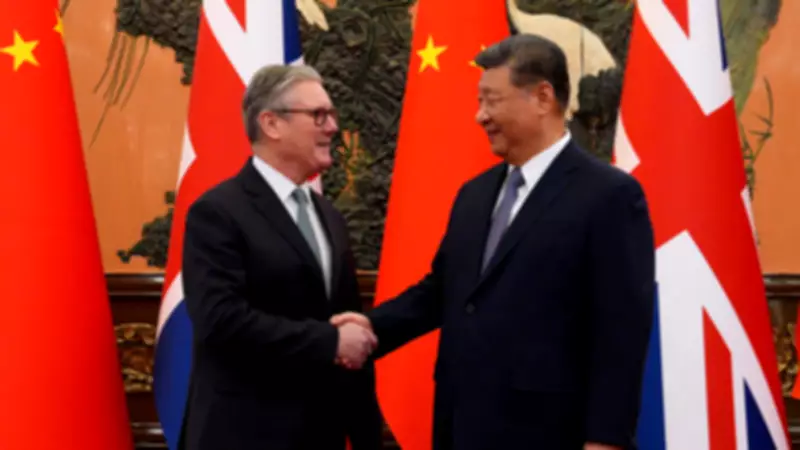
In a significant diplomatic development, Chinese President Xi Jinping has indicated that China is prepared to actively consider implementing visa-free travel for British citizens. This announcement came following a summit meeting with UK Prime Minister Sir Keir Starmer in Beijing, marking the first visit by a British prime minister to China since Theresa May's trip in 2018.
Historic Meeting Yields Concrete Progress
The discussions between the two leaders covered multiple areas of bilateral cooperation, with visa liberalisation emerging as a key outcome. Sir Keir Starmer confirmed that specific details regarding timing and implementation were addressed during their conversations. This potential policy change would place the United Kingdom on equal footing with numerous European nations that already benefit from China's visa-waiver programme.
Currently, British passport holders require advance visa approval to enter mainland China. The proposed change would align UK travel privileges with those enjoyed by citizens from nearly 50 other countries including:
- Major European nations like France, Germany, Italy and Spain
- Key allies including Australia, New Zealand and Japan
- Other global partners such as South Korea, Brazil and Saudi Arabia
Practical Implications of the Visa-Waiver Proposal
According to existing Chinese immigration policy, the visa-free arrangement typically permits stays of up to 30 days without prior documentation. This facilitation applies to various travel purposes including:
- Business meetings and commercial activities
- Tourism and leisure travel
- Family visits and personal connections
- Cultural and educational exchanges
The Chinese Embassy in London has previously outlined these parameters on its official communications channels, providing clarity about how such arrangements function in practice.
Broader Diplomatic Context and Additional Agreements
Beyond travel facilitation, the bilateral discussions yielded progress on several other fronts. Prime Minister Starmer highlighted three key areas where concrete agreements were reached:
Firstly, the two governments discussed reducing tariffs on Scotch whisky exports, with specific attention to implementation timelines. Secondly, they established frameworks for information exchange regarding irregular migration, particularly focusing on small boat crossings in the English Channel. Thirdly, cooperation on restricting trade in marine engines used for unauthorized Channel crossings was addressed.
Sir Keir characterized the discussions as constructive and productive, emphasizing that the outcomes served British national interests while advancing the bilateral relationship.
Addressing Sensitive Issues in the Relationship
The Prime Minister confirmed that challenging topics were not avoided during the diplomatic exchange. He specifically raised concerns regarding:
- The detention circumstances of British citizen Jimmy Lai in Hong Kong
- Treatment of Uyghur communities in Xinjiang province
Sir Keir framed these difficult conversations as evidence of a mature diplomatic relationship capable of addressing disagreements while pursuing mutual opportunities. He described the engagement as essential for building understanding between the two nations.
The Chinese readout from the meeting emphasized strengthening people-to-people exchanges and facilitating greater movement between the countries. President Xi specifically welcomed visits by British governmental, parliamentary and regional delegations to develop what was termed a comprehensive, objective and accurate understanding of contemporary China.
This potential visa policy shift represents the most significant travel facilitation development between the UK and China in recent years, potentially transforming tourism, business and cultural exchanges between the two nations.