China Removes Sanctions on British Parliamentarians Following Diplomatic Talks
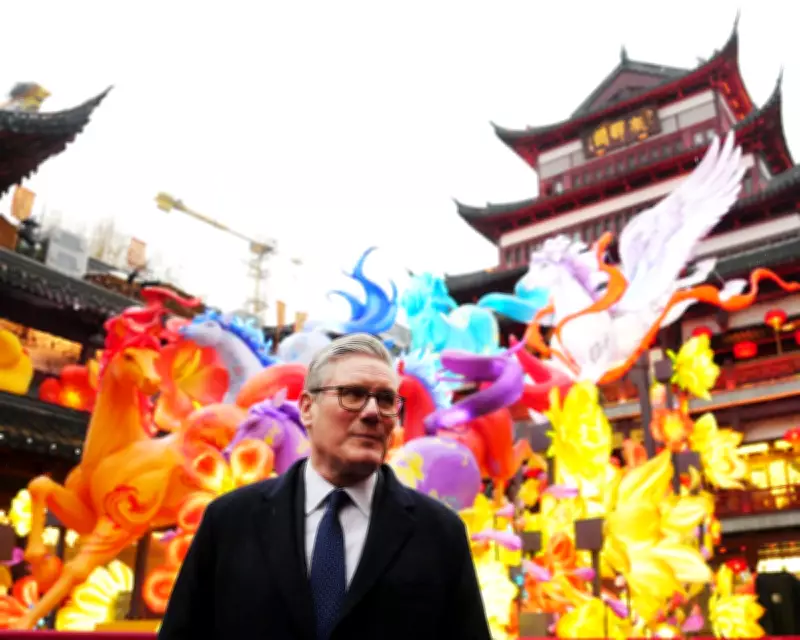
In a notable diplomatic development, China has officially lifted the sanctions it imposed on serving British Members of Parliament and peers. This significant move comes after Labour leader Keir Starmer engaged in landmark discussions with Chinese President Xi Jinping during his visit to Beijing. The decision marks a potential thaw in the previously strained relations between the two nations.
Immediate Removal for Serving Parliamentarians
During a series of broadcast interviews conducted in China on Friday, Starmer confirmed that the restrictions on current MPs and peers would be removed with immediate effect. The Labour leader stated that he had raised the issue directly with Chinese officials during his visit, receiving clear confirmation that the sanctions no longer apply to serving parliamentarians.
"I know that the action taken in relation to our parliamentarians has been a real cause of concern, understandably so," Starmer explained. "And therefore I raised that issue whilst I was here, and the Chinese are absolutely clear in response: the restrictions no longer apply. President Xi said to me that that means all parliamentarians are welcome."
Uncertainty Remains for Other Sanctioned Individuals
While the sanctions have been lifted for six serving British parliamentarians, questions persist regarding the status of other individuals originally targeted. The original sanctions list from 2021 included nine UK citizens, comprising five Conservative MPs, two members of the House of Lords, two academics, and former Tory MP Tim Loughton.
It remains unclear whether the sanctions will be removed for the two academics - Newcastle University researcher Jo Smith Finley and barrister Geoffrey Nice KC - along with Loughton, who stepped down from parliament during the last election. These individuals were sanctioned alongside the parliamentarians for their work highlighting human rights concerns in China's Xinjiang region.
Background to the Sanctions Dispute
The original sanctions were imposed by China in 2021 as a direct response to UK sanctions against Chinese officials accused of human rights violations against the Uyghur Muslim community in Xinjiang. Beijing described the UK's actions as based on "lies and disinformation" about the situation in the western Chinese region.
The sanctioned individuals faced comprehensive restrictions including:
- Bans on entering China, Hong Kong, and Macau
- Freezing of any property they held within China
- Prohibitions on Chinese citizens and institutions conducting business with them
While the practical impact of these sanctions on parliamentarians was somewhat limited, their symbolic significance was substantial, representing a low point in UK-China relations.
Parliamentarians' Stance on Sanctions Removal
Before the lifting of sanctions was confirmed, the affected parliamentarians issued a joint statement expressing their position. They declared they would "rather remain under sanction indefinitely" than have their status used as leverage to justify removing British sanctions on Chinese officials implicated in human rights abuses.
The statement emphasised: "We would reject any deal that prioritises our personal convenience over the pursuit of justice for the Uyghur people. We stand in total solidarity with our families, former colleagues, and the civil society organisations who remain targeted by the People's Republic of China."
They specifically noted they would not accept any arrangement that benefited only sitting lawmakers while leaving civil society organisations and other individuals under sanctions.
Broader Diplomatic Context
This development occurs within a wider context of China's diplomatic outreach efforts. In April, Beijing similarly lifted sanctions on five Members of the European Parliament and the European Parliament's human rights subcommittee, which had been imposed in 2021 in response to EU sanctions.
These moves appear part of a broader charm offensive by China to improve international relations and revive trade discussions, particularly amid global economic uncertainties. The removal of sanctions against British parliamentarians follows this pattern of diplomatic recalibration.
Starmer's discussions with Xi Jinping also opened the possibility of a future UK visit by the Chinese president, though such a visit would have been politically challenging while sanctions against British parliamentarians remained in place. The talks represent a significant diplomatic engagement between UK political leadership and Chinese officials at the highest level.
The development marks a notable shift in the diplomatic landscape between the UK and China, though fundamental disagreements about human rights and international policy continue to shape the relationship between the two nations.