British Nationals Detained in UAE Over Filming of Iranian Drone and Missile Attacks
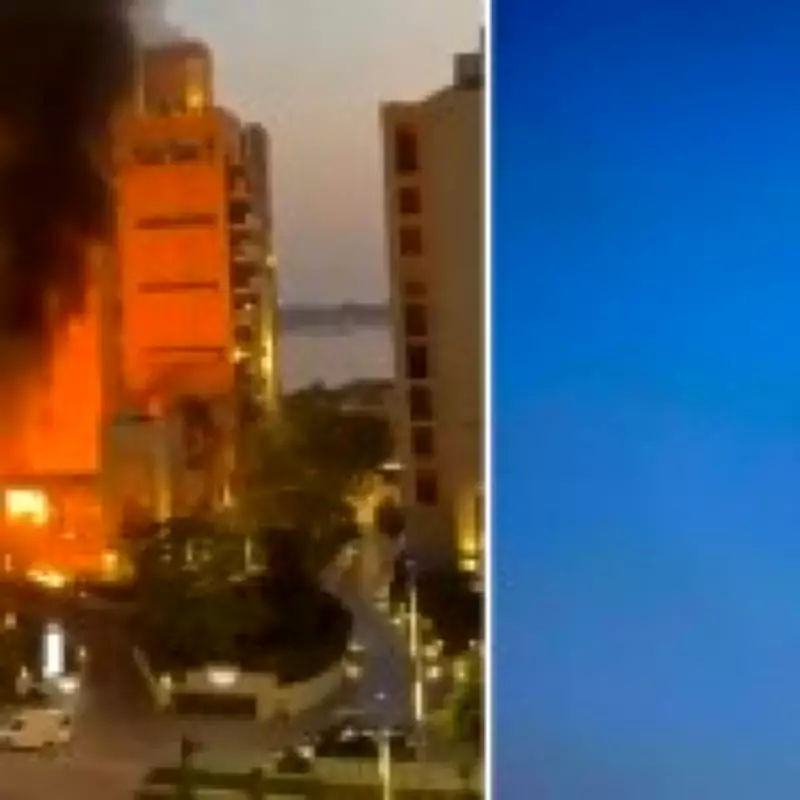
As many as 70 British citizens have been detained in the United Arab Emirates for allegedly filming Iranian drone and missile attacks targeting the Middle Eastern nation. The individuals, comprising tourists, expatriates, and airline cabin crew, are being held in overcrowded police cells and could potentially face up to ten years in prison for violating laws designed to protect national security and stability.
Harsh Conditions and Legal Overwhelm
Campaign groups report that the UAE legal system is inundated with cases, leading to some detainees being denied basic necessities such as sleep, food, and medication. Critics accuse the UAE of attempting to safeguard its carefully curated image as a glamorous and secure travel destination. Under Gulf State regulations, publishing or sharing material that could disrupt public security is strictly prohibited. The British embassy had previously issued warnings to expatriates against taking photographs or disseminating images of Iranian missile incidents.
Those in proximity to an Iranian strike receive text messages in both Arabic and English, cautioning that photographing or sharing content related to security sites may result in legal action and compromise national security. Even passively receiving such images is considered illegal under the strictest interpretations of the law, carrying penalties of up to ten years imprisonment or fines reaching £200,000.
Representation and Detention Details
David Haigh, CEO of Dubai Watch, is representing eight arrested Britons and has been informed by local lawyers that approximately 35 Brits are detained in Dubai, with similar numbers held in Abu Dhabi. His human rights organization highlights that due to systemic overload, many arrested individuals face months in detention before formal charges are filed. Some have been released on bail but have had their passports confiscated, preventing them from leaving the country.
Campaigners have raised concerns that some Britons have been coerced into signing Arabic-language statements they cannot comprehend. Radha Stirling of the Detained In Dubai group emphasized the severity of the situation, stating that British citizens are being held in overcrowded conditions, denied essential medication, and pressured to sign confessions without adequate legal representation. She called for immediate and robust diplomatic intervention to protect their welfare and secure their release, asserting that these individuals are not criminals but ordinary people who acted without malicious intent.
Consular Access and Specific Cases
Access to British consular staff is reportedly restricted or outright denied for many of those arrested. The Foreign Office is not automatically notified of all arrests, and some detainees are advised against contacting the embassy, as it might prolong their cases. Officials estimate that only about five British detainees are currently receiving consular assistance related to photography offenses.
Among those detained is a London-based air steward employed by budget airline FlyDubai, who allegedly took a photograph of damage caused by an Iranian drone strike near Dubai airport on March 7 and shared it with colleagues to inquire about safety. Police later examined his phone and arrested him. Additionally, an expatriate lawyer residing in Dubai has been arrested under national security laws.
Detained In Dubai is also assisting a 60-year-old British tourist who, along with 20 others, faces charges after footage of Iranian attacks was discovered on their phones. Despite deleting the footage, he risks two years in prison and a fine of up to $40,000. Reports indicate that UAE police routinely inspect the phones of individuals near missile attack sites and arrest anyone found with related photographs, including those who receive such images via messaging apps like WhatsApp.
Broader Implications and Responses
David Haigh, who has personal experience of torture in a Dubai jail, criticized the UAE's approach, describing Dubai as a corporate entity obsessed with maintaining its pristine global brand. He argued that tourists and expatriates who photograph security incidents are treated as enemies, subjected to arrest, threats, forced reporting on friends, and lengthy jail sentences.
Prior to the conflict with Iran, over 240,000 Britons were living in the United Arab Emirates. The Emirati embassy in London reiterated that individuals have been warned against taking or sharing photos from incident sites, emphasizing that disseminating such materials or inaccurate information can incite public panic and create a misleading perception of the UAE's actual situation.
The Foreign Office confirmed that it is supporting a number of British nationals detained or arrested in the UAE and expects full consular access. The British Ambassador is engaged in regular discussions with UAE authorities regarding access issues, underscoring the ongoing diplomatic efforts to address this critical situation.