
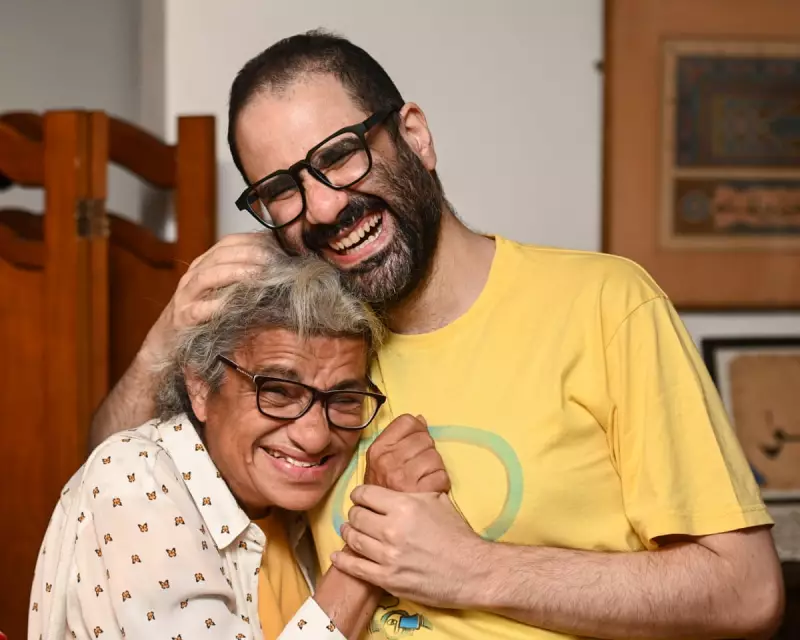
The family of Alaa Abd El-Fattah, the prominent British-Egyptian political activist, has revealed that he was prevented from boarding a flight to the United Kingdom despite holding valid travel documents. The incident occurred on Thursday, throwing into doubt hopes for his safe passage out of Egypt where he has faced prolonged imprisonment and health concerns.
According to his sister, Sanaa Seif, Abd El-Fattah arrived at Cairo International Airport with a valid visa and ticket for a flight to the UK. However, Egyptian authorities intervened at the boarding gate, stopping him from travelling. The family had hoped his release from prison earlier this year would allow him to travel to Britain, where he holds citizenship.
Ongoing Health and Safety Concerns
The activist's health has been a major source of concern for his family and international observers. Abd El-Fattah has undertaken multiple hunger strikes during his detention to protest his imprisonment and the conditions he faced. His family consistently warned that his life was in danger due to the refusal of Egyptian authorities to provide adequate medical care.
In a desperate attempt to safeguard his wellbeing, his British mother, Laila Soueif, had camped outside the prison where he was held. The family now fears that his prevented departure indicates he remains under significant threat and scrutiny from the Egyptian state, despite his technical release from custody.
International Reaction and Political Context
This latest development has drawn immediate condemnation from human rights organisations and UK politicians. Alaa Abd El-Fattah became a symbol of the struggle for democracy and free speech in Egypt following the 2011 revolution. His case has repeatedly been raised at the highest levels of the British government, with both the Prime Minister and Foreign Secretary facing pressure to secure his release and safe passage to the UK.
The activist was initially sentenced in December 2021 to five years in prison on charges of spreading false news. His imprisonment has been widely condemned by international bodies as politically motivated. His dual citizenship had placed the UK government in a delicate diplomatic position, balancing its relationship with Egypt against its duty to protect a British national.
The UK Foreign Office has stated it is providing consular assistance to Abd El-Fattah and continues to raise his case with Egyptian authorities. However, the prevention of his travel raises serious questions about the effectiveness of these diplomatic efforts and the true extent of his current freedom.
Uncertain Future for Activist
The blocking of Abd El-Fattah's travel creates significant uncertainty about his legal status and safety in Egypt. While no longer in prison, he appears to remain subject to travel restrictions that prevent him from leaving the country. This situation leaves him in a legal limbo, technically free but unable to seek safety in the UK.
His family and supporters are now calling for urgent clarification from both the Egyptian and British governments regarding the terms of his release and the reasons for the travel ban. They argue that his inability to travel to Britain, where he could receive proper medical care and be reunited with family, represents a continuation of his persecution.
Human rights groups have described this as a tactic commonly used by the Egyptian government, where activists are released from prison but remain entangled in legal restrictions that severely limit their freedom and maintain state control over their movements and activities.




