Beijing's powerful security agency in Hong Kong has summoned senior international journalists, issuing a stark warning that it will not tolerate what it termed "trouble-making" in the wake of critical reporting on the territory's deadliest fire in decades.
A Stern Warning from the Security Office
Senior reporters from several major international outlets, including the New York Times and Agence France-Presse (AFP), were called to a meeting with the Office for Safeguarding National Security (OSNS). The office was established by Beijing in 2020 following the imposition of a sweeping National Security Law.
During the meeting, an OSNS official directly accused journalists of tarnishing the government's reputation. According to AFP, the official provided no specific examples of problematic coverage and declined to take questions from the assembled press.
Shortly after the meeting concluded, the OSNS released a formal statement online. It accused certain foreign media organisations of having "disregarded facts, spread false information, distorted and smeared the government's disaster relief and aftermath work."
The Tragedy at Wang Fuk Court
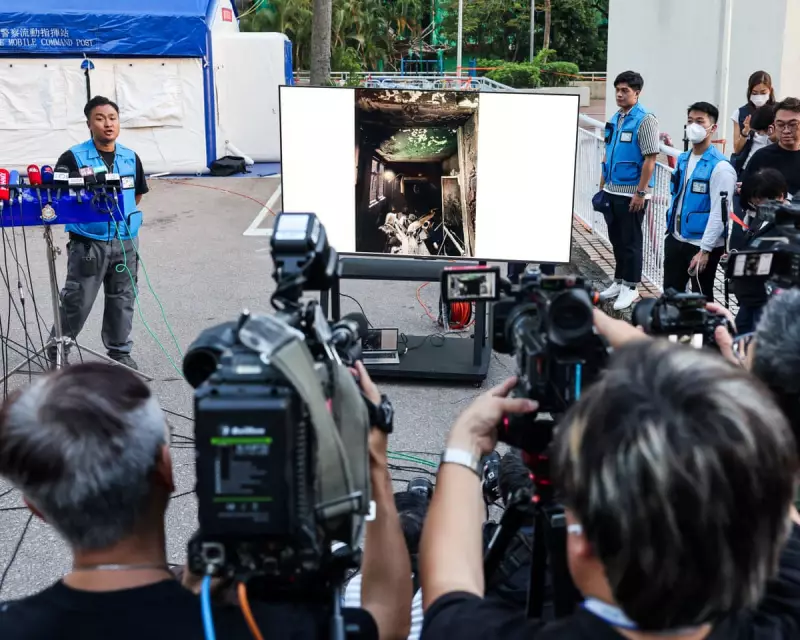
The summons follows intense global scrutiny of the catastrophic blaze at the Wang Fuk Court housing complex in northern Hong Kong on 26 November. The fire in the eight-tower estate is the city's most fatal disaster in 75 years and the world's deadliest residential building fire since 1980.
The sprawling complex was home to nearly 5,000 people. The fire claimed the lives of at least 159 individuals, leaving the community in shock and mourning. Subsequent investigations have revealed that extensive renovations at the block involved substandard, highly flammable materials, sparking significant public anger and demands for accountability.
Eroding Freedoms and a Political Backdrop
The OSNS statement contained an unambiguous threat, urging journalists to "not cross the legal red line." It declared the office would not tolerate actions by "anti-China and trouble-making elements in Hong Kong," concluding with the phrase: "Don't say we didn't warn you."
This incident highlights the continued erosion of press freedoms in the semi-autonomous territory, which was returned to China by the UK in 1997. Hong Kong once prided itself on liberties absent on the mainland, but the 2020 National Security Law granted Beijing extensive powers to suppress dissent.
The warning also came on the eve of Hong Kong's legislative election, held on Sunday. The OSNS accused some media of having "attacked and interfered with" the electoral process. Hong Kong's electoral system was overhauled in 2021 to ensure only "patriots" – effectively pro-Beijing candidates – can hold office.
Earlier in the week, the security office had also warned against "external forces" and "anti-China media organisations" it claimed were seeking to exploit the tragedy for political gain.