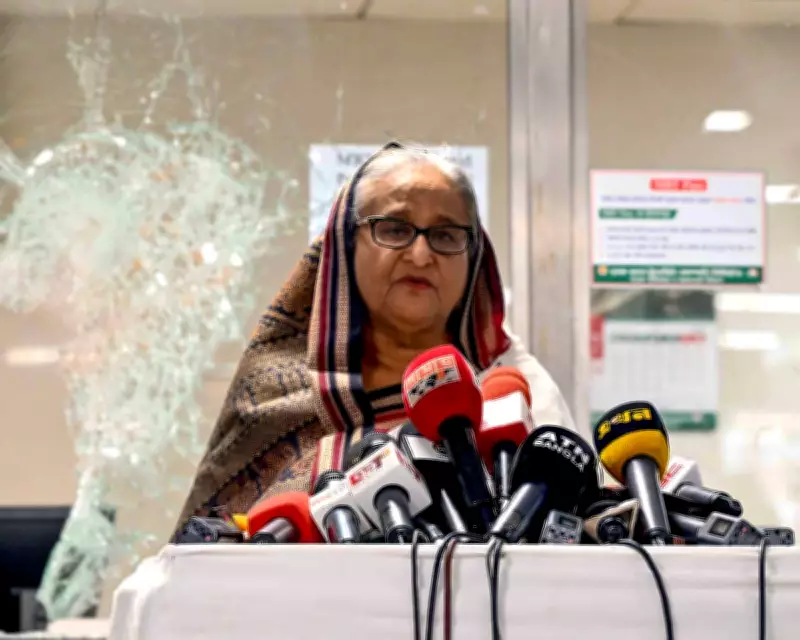
Exiled Awami League Figures Orchestrate Political Return from Indian Base
In a significant development within South Asian politics, exiled members of Bangladesh's ruling Awami League are reportedly planning a major political comeback, with India serving as their operational base. This move comes amidst a backdrop of persistent political tensions and concerns over democratic freedoms in Bangladesh, highlighting the complex geopolitical dynamics of the region.
Strategic Planning from Across the Border
Sources indicate that these exiled politicians, who have been living outside Bangladesh due to various political pressures and legal challenges, are now actively coordinating their return to the political forefront. Their activities in India suggest a calculated strategy to regroup and mobilise support, potentially aiming to influence upcoming political processes or elections in Bangladesh.
The choice of India as a staging ground is particularly noteworthy, given the historical and diplomatic ties between the two neighbouring countries. This development could have implications for bilateral relations, especially if it involves cross-border political manoeuvring that might be viewed as interference by Bangladeshi authorities.
Context of Political Strain in Bangladesh
Bangladesh has experienced considerable political strain in recent years, with the Awami League, led by Prime Minister Sheikh Hasina, maintaining a firm grip on power. Critics have often raised concerns about the space for opposition and dissent, leading to instances where political figures have sought refuge abroad to avoid persecution or legal entanglements.
The exiled members' planned comeback reflects ongoing struggles within the country's political landscape, where factionalism and ideological rifts sometimes force key players into exile. Their efforts to re-enter politics from India underscore the challenges of maintaining political engagement under restrictive conditions.
Potential Impacts on Regional Stability
This political manoeuvring from exile could have broader implications for regional stability. India, as a major regional power with significant influence in Bangladesh, might find itself in a delicate position, balancing its diplomatic relations with the current Bangladeshi government while potentially harbouring political exiles.
Analysts suggest that such activities could exacerbate existing tensions or lead to diplomatic friction if not managed carefully. The situation also raises questions about the role of neighbouring countries in hosting political exiles and the ethical considerations involved in supporting opposition movements from abroad.
Looking Ahead: A Test for Democratic Processes
The planned comeback of these Awami League members will likely test the resilience of democratic processes in Bangladesh. It may influence political discourse, either by reinvigorating internal debates within the party or by providing a rallying point for dissenting voices.
Observers are keenly watching how this development unfolds, as it could signal shifts in political alliances, impact electoral dynamics, or even lead to renewed calls for political reforms. The outcome may also affect Bangladesh's international image, particularly regarding its commitment to democratic principles and human rights.
As the exiled members prepare for their return, the political landscape in Bangladesh and its relations with India remain in a state of flux, with potential repercussions for the entire South Asian region.