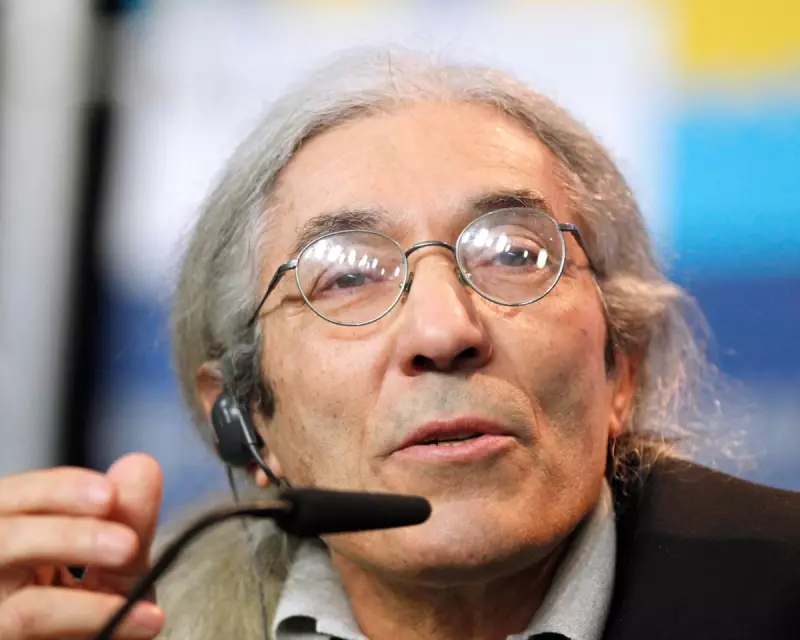
In a significant diplomatic development, the Algerian government has pardoned and ordered the release of prominent writer and regime critic Boualem Sansal. The decision, announced by the Algerian presidential office on Wednesday, concludes a high-profile case that had strained international relations.
A Humanitarian Resolution
The presidential statement revealed that President Abdelmadjid Tebboune decided to respond positively to the request from German President Frank-Walter Steinmeier, who had personally appealed for Sansal's release. This humanitarian gesture means the 81-year-old author, who suffers from prostate cancer, can now be transferred to Germany for urgent medical treatment.
This outcome represents a notable shift in position from the Algerian government, which had previously rejected similar appeals from France regarding Sansal's poor health and advanced age.
Background of the Case
Boualem Sansal was arrested at Algiers airport in November last year following comments he made in an interview about colonial-era territorial disputes. The vocal regime critic was subsequently sentenced to five years in prison in March on charges of undermining national unity.
The case occurred against a backdrop of deteriorating relations between Algeria and France, with some observers suggesting Sansal was being held as a political hostage. French President Emmanuel Macron had publicly stated that Algeria was dishonouring itself by imprisoning the elderly writer.
Diplomatic Implications
By releasing Sansal to Germany rather than France, the Algerian government has navigated a delicate diplomatic situation. This approach allowed them to resolve the standoff with their former coloniser without appearing to capitulate to French pressure.
The solution also reflects the strong personal relationship between Presidents Tebboune and Steinmeier, as acknowledged in the German leader's statement on Monday. Steinmeier had described pardoning Sansal as an expression of both humanitarian sentiment and political foresight.
President Tebboune himself has personal experience with German healthcare, having been treated at a German hospital after contracting Covid-19 in 2020.
International support for Sansal's release had been growing steadily, with renowned authors including Salman Rushdie, Annie Ernaux and Wole Soyinka adding their voices to appeals for his freedom in recent months.