British Campaign Group Claims Dozens of UK Citizens Detained in UAE Over War Images
A British-based human rights organization has revealed that as many as 70 United Kingdom citizens have been detained in the United Arab Emirates for capturing and sharing photographs and videos of Iranian military strikes. This figure significantly surpasses the official numbers provided by the British Foreign Office, highlighting a growing diplomatic concern.
Discrepancy Between Advocacy Group and Official Figures
Radha Stirling, chief executive of Detained in Dubai, stated that her organization estimates between 50 and 70 Britons have been arrested under the UAE's stringent cybercrime legislation. She warned that this number could potentially rise to 100 or even 150 individuals as the situation develops. In contrast, the Foreign, Commonwealth and Development Office has confirmed it is providing consular assistance to only a "small number" of British nationals detained in connection with these issues.
The FCDO spokesperson emphasized: "We are providing consular assistance to a small number of British nationals detained in the UAE in connection with this issue, and our ambassador is engaging with the Emirati authorities about their cases." Sky News understands that five Britons are currently receiving consular support, with some having already been released.
Context of Arrests and Legal Framework
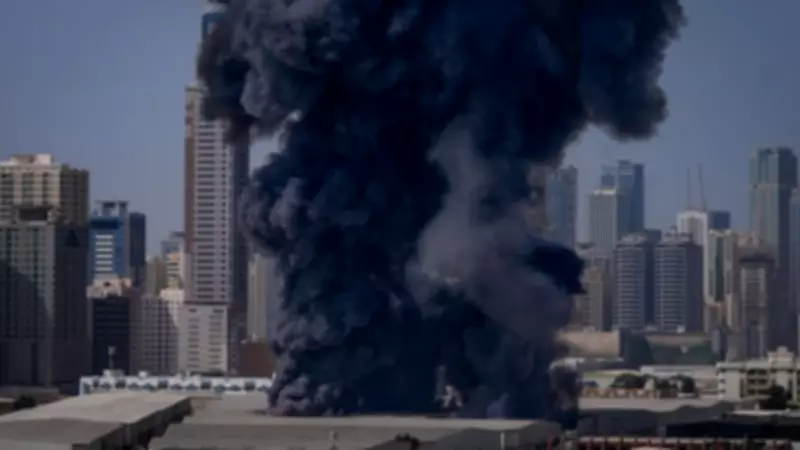
The detentions occurred following Iran's launch of missile and drone attacks against Gulf neighbors in retaliation for US and Israeli strikes. Many of those detained were reportedly sharing updates on their personal safety with family and colleagues, unaware that such communications violated local laws.
"Most people did not know and were unaware of these cybercrime laws and the vast extent to which they can be applied, especially in a situation like this," explained Ms. Stirling, a human rights lawyer specializing in Dubai cases. "There is no way that any of these people knew that it was illegal to send a private message to colleagues saying, 'here I am, I've arrived at the airport. Is it safe for me to walk through, given this explosion', and then sharing a photo of that explosion with colleagues."
Potential Consequences and Diplomatic Implications
Individuals arrested under the UAE's cyber security laws face severe penalties, including the possibility of life imprisonment, particularly if charges are escalated to national security violations in Abu Dhabi. Ms. Stirling described scenarios where expatriates and tourists have been detained for sending private messages to loved ones overseas, such as photos confirming their safety amid explosions.
She firmly rejected arguments that Britons who moved to the UAE for tax benefits are less deserving of government protection. "When your citizens are locked up, when they're arbitrarily detained, when they're prosecuted under national security laws for simply sending a photo to a loved one, that's when your government needs to step up," she asserted. "And it's irrelevant whether there's tax or no tax in the UAE, our government is obliged to provide that service or else we look weak diplomatically and in the eyes of the world."
Broader Impact and Regional Tensions
The incident underscores the challenges faced by foreign nationals navigating the legal landscapes of host countries during periods of regional conflict. It also raises questions about the balance between national security measures and individual freedoms, particularly in jurisdictions with broadly defined cybercrime regulations.
As tensions in the Gulf region persist, the detentions serve as a stark reminder of the legal risks associated with digital communications during crises. The discrepancy between advocacy group estimates and official figures suggests that the full scale of the situation may not yet be publicly acknowledged, potentially affecting bilateral relations between the UK and the UAE.