White House Adjusts Rhetoric Following Minnesota ICE Shooting Controversy
The Trump administration has adopted a more measured tone regarding recent Immigration and Customs Enforcement shootings in Minneapolis, though experts suggest this represents a public relations adjustment rather than substantive policy change.
Escalating Violence and Initial Response
The fatal shootings of Renee Good and Alex Pretti within three weeks in Minnesota have intensified scrutiny of ICE operations. Despite video evidence showing Pretti holding a mobile phone rather than a firearm when killed, senior administration officials initially employed inflammatory rhetoric.
Stephen Miller described the registered nurse as a "would-be assassin" and "domestic terrorist," while Gregory Bovino, the senior border patrol official overseeing immigration crackdowns, claimed agents were "the victims" rather than Pretti. Homeland Security Secretary Kristi Noem similarly alleged Pretti's involvement in "domestic terrorism."
Administration's Rhetorical Retreat
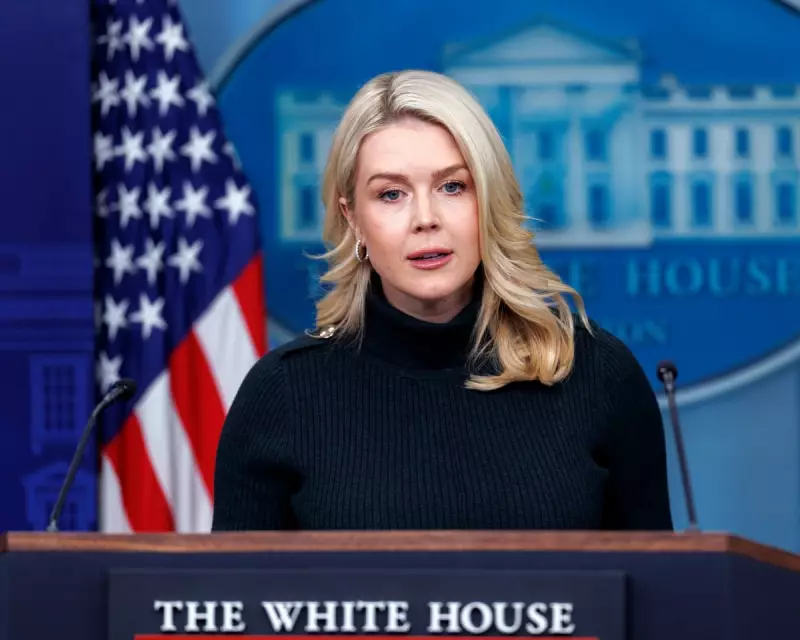
Facing mounting public pressure, the White House has since moderated its language. Press Secretary Karoline Leavitt described Pretti's death as a "tragedy" during Monday's briefing, while President Trump acknowledged his administration was reviewing the shooting and distanced himself from assassination claims.
"I do not agree that Pretti was acting as an assassin," Trump told reporters, though he maintained concerns about firearms presence during the incident. This represents a notable departure from earlier administration characterisations.
Public Opinion Shifts and Political Pressure
Recent polling indicates growing public unease with ICE's conduct. A Reuters/Ipsos survey conducted after Pretti's killing found 58% of Americans believe immigration agents have "gone too far." Similar dissatisfaction levels emerged in New York Times and Wall Street Journal polls, while CNN research indicated majority belief that Good's shooting represented "inappropriate use of force."
Even traditionally supportive media outlets have noted changing attitudes, with Fox News running a headline declaring "Support slipping for Trump immigration push." Within Republican ranks, figures including Kentucky Congressman James Comer and Louisiana Senator Bill Cassidy have expressed concerns, with Comer urging ICE withdrawal from Minnesota and Cassidy calling for joint investigations.
Personnel Changes and Policy Continuity
The administration has replaced Gregory Bovino, whose controversial Minnesota deployment included appearances reminiscent of historical authoritarian imagery, with Tom Homan as border czar. However, Homan's record suggests continuity rather than moderation.
As former ICE director, Homan promised in 2024 that "they ain't seen shit yet" regarding deportations and vowed to create "the biggest deportation force this country has ever seen" should Trump return to office. His February comments about New York cooperation included graphic metaphors about enforcement pressure.
Contradictions and Context
Trump's comments about firearms during the Pretti incident ignored both US gun laws and video evidence showing Pretti, who possessed a concealed carry permit, was not holding his weapon when shot. Observers noted the contradiction with conservative praise for Kyle Rittenhouse, who faced murder charges after shooting protesters while armed with an assault rifle.
The administration's rhetorical adjustments appear driven by multiple factors including polling data, media coverage, and internal party concerns. However, immigration experts caution against interpreting softened language as signalling policy shifts, noting the administration's consistent commitment to aggressive enforcement measures despite occasional presentational modifications.
Looking Ahead
While the White House has tempered its characterisation of recent events, the fundamental approach to immigration enforcement remains unchanged. The administration continues to prioritise strict border controls and deportation initiatives, with personnel changes reflecting strategic adjustments rather than philosophical reconsideration.
As public debate intensifies following the Minnesota shootings, the tension between rhetorical moderation and policy continuity will likely define the administration's immigration strategy moving forward, particularly as electoral considerations increasingly influence messaging decisions.