
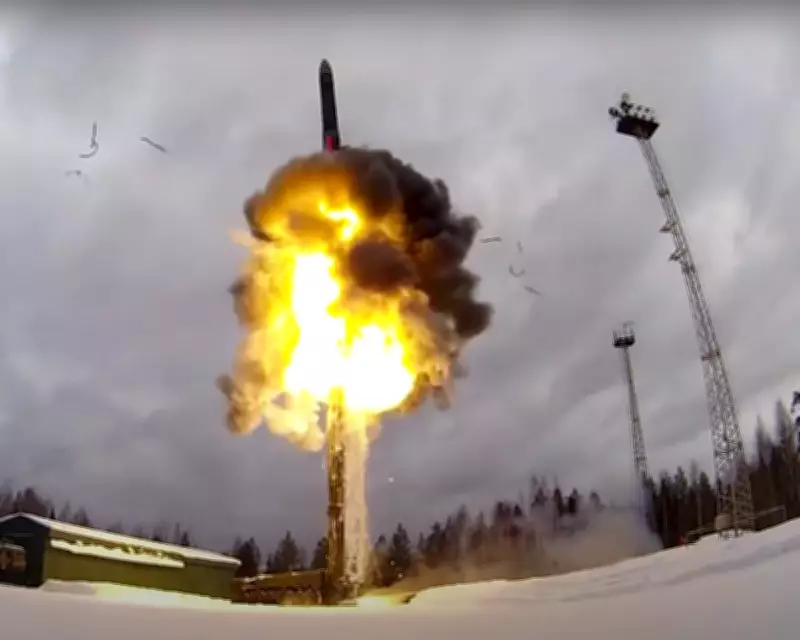
The expiration of a pivotal nuclear arms control agreement between the United States and Russia has sent shockwaves through the international community, igniting fears of a renewed and potentially destabilising arms race. This development marks a significant setback in global efforts to manage strategic nuclear arsenals, with experts warning of far-reaching implications for security and diplomacy.
Background and Immediate Implications
The treaty in question, known as the New Strategic Arms Reduction Treaty (New START), was a cornerstone of post-Cold War arms control, imposing limits on deployed strategic nuclear warheads and delivery systems for both nations. Its expiry removes a critical framework that had provided transparency and predictability in US-Russian nuclear relations for over a decade. Without these constraints, both countries are now legally free to expand their nuclear arsenals, though political and economic factors may temper immediate actions.
Global Reactions and Diplomatic Fallout
International leaders and arms control advocates have expressed deep concern over the lapse of this agreement. Many view it as a symptom of deteriorating relations between Washington and Moscow, exacerbated by ongoing geopolitical tensions such as the conflict in Ukraine. The absence of the treaty complicates verification mechanisms, making it harder to monitor compliance and assess intentions, which could lead to miscalculations or escalations in a crisis.
Diplomatic efforts to renew or replace the pact had stalled in recent years, with negotiations hampered by mutual distrust and competing strategic priorities. Some analysts argue that this expiry reflects a broader trend away from multilateral arms control, potentially encouraging other nuclear-armed states to reassess their own commitments.
Potential Consequences for Global Security
The ramifications extend beyond bilateral relations, affecting global nuclear stability. Key concerns include:
- Increased Risk of Proliferation: A perceived weakening of major power commitments to arms control could undermine non-proliferation norms, incentivising other nations to pursue or enhance their nuclear capabilities.
- Strategic Instability: Without agreed limits, both the US and Russia might engage in competitive modernisation of their nuclear forces, leading to a costly and dangerous arms buildup that could heighten the risk of accidental conflict.
- Impact on Alliances: NATO members and other allies are closely monitoring the situation, as shifts in nuclear postures could necessitate adjustments in defence strategies and alliance cohesion.
Looking Ahead: Pathways to Mitigation
Despite the bleak outlook, some experts suggest that the expiry could serve as a wake-up call for renewed diplomacy. Potential steps forward include:
- Informal Arrangements: Even without a formal treaty, both nations might pursue confidence-building measures, such as data exchanges or reciprocal inspections, to maintain some level of transparency.
- Broader Dialogue: Engaging in talks that address not only nuclear arms but also related issues like missile defence and emerging technologies could pave the way for a more comprehensive agreement.
- International Pressure: Global forums, such as the United Nations, may play a role in encouraging restraint and fostering multilateral initiatives to fill the governance gap left by the treaty's lapse.
In summary, the expiry of the US-Russia nuclear pact represents a critical juncture in international security, with the potential to either deepen divisions or spur innovative approaches to arms control. The coming months will be crucial in determining whether the world edges closer to a new arms race or finds a path back to cooperative stability.




