American Journalist Released After Week-Long Kidnapping in Iraq
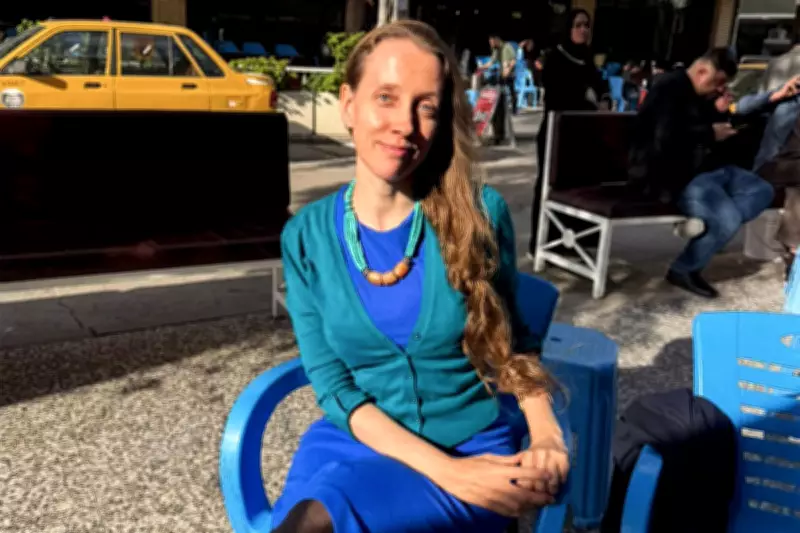
American freelance journalist Shelly Kittleson has been freed after being kidnapped from a Baghdad street corner last week, with US Secretary of State Marco Rubio confirming her release on Tuesday. The 49-year-old journalist was reportedly held by the powerful Iran-backed Iraqi militia Kataib Hezbollah, which has now demanded she leave the country immediately.
Militia Announces Release with Conditions
Kataib Hezbollah issued a statement earlier on Tuesday declaring their decision to free Kittleson, who was abducted on March 31. The group claimed this action came "in appreciation of the patriotic stances of the outgoing prime minister," Mohammed Shia al-Sudani, though they provided no further details about this connection. The militia explicitly warned that "this initiative will not be repeated in the future," suggesting they view this as a one-time concession.
The release came with a significant condition: Kittleson must "leave the country immediately" upon her freedom. This demand creates immediate logistical challenges for the journalist and US authorities working to ensure her safe departure from Iraq.
Behind the Scenes Negotiations and Exchange
Two anonymous officials within Kataib Hezbollah revealed to the Associated Press that the journalist's freedom came with a price. According to these sources, several members of the militia who had previously been detained by Iraqi authorities would be released in exchange for Kittleson. This prisoner exchange arrangement sheds light on the complex negotiations that likely occurred behind closed doors.
Iraqi security officials described significant obstacles during attempts to negotiate Kittleson's release. One official explained that an individual with the Popular Mobilization Forces—a coalition of Iran-backed militias nominally under Iraqi military control—had been tasked with communicating with the abductors but encountered difficulties reaching Kataib Hezbollah's leadership.
Kittleson's Background and Previous Warnings
Shelly Kittleson had built a respected journalism career across the Middle East, with particular focus on Iraq and Syria. Like many freelancers, she often worked with limited budgets and without the institutional protections afforded to staff journalists at major news organizations. She had lived abroad for years before the kidnapping, using Rome as a base at one point, and had re-entered Iraq shortly before her abduction.
US officials have confirmed they warned Kittleson multiple times about specific threats against her safety in Iraq, but she chose not to leave the country. This detail highlights the difficult decisions journalists make when covering dangerous regions, balancing professional commitment with personal safety.
Kidnapping Details and Previous Incidents
Iraqi officials provided additional details about the kidnapping operation, revealing that two vehicles were involved. One car crashed while being pursued near al-Haswa in Babil province, southwest of Baghdad, after which Kittleson was transferred to a second vehicle that fled the scene.
This is not the first time Kataib Hezbollah has been accused of kidnapping foreigners. Elizabeth Tsurkov, a Princeton graduate student with Israeli and Russian citizenship, disappeared in Baghdad in 2023 and was later freed in September 2025. Tsurkov stated she had been held by Kataib Hezbollah, though the group never officially claimed responsibility for her abduction.
The release occurs against a backdrop of ongoing tensions, as Iran-backed militias in Iraq have launched regular attacks on US facilities since the beginning of the US-Israeli conflict with Iran. Kittleson's case illustrates the dangerous environment for journalists and foreigners operating in Iraq, where geopolitical tensions frequently spill over into direct threats against individuals.