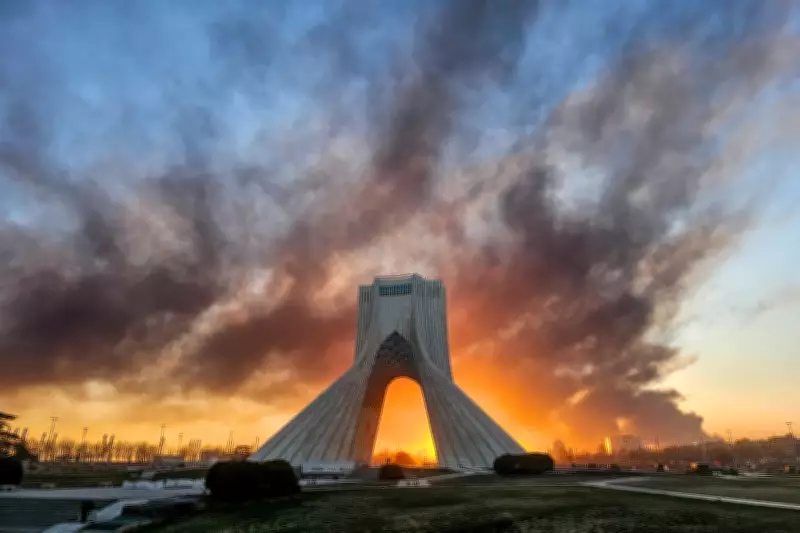
Smoke Rises Over Tehran Following US-Israel Military Strike
Smoke was seen billowing behind the iconic Azadi Tower in Tehran, Iran, in the aftermath of a coordinated military strike conducted by United States and Israeli forces last month. The visual evidence captured by photographers shows the immediate physical impact of the ongoing conflict between Western powers and the Iranian regime.
Fundamental Ideological Differences Fuel Conflict
In response to recent analysis of the conflict, retired Lieutenant Colonel Rob Symonds and political commentator David Flint have provided detailed perspectives on the core motivations driving the military confrontation between the United States and Iran. While acknowledging some valid points in existing commentary, both experts emphasize that the fundamental ideological divide between the two nations represents the true engine of continued hostilities.
According to Symonds, the United States has consistently represented Western values centered on material wealth, global influence, and economic opportunity since the end of World War II. This worldview prioritizes tangible power derived from ownership and resources. In stark contrast, Iran has developed a governing system since its 1979 revolution that enforces a strict ideological creed with dogmatic determination.
Clash of Values and Principles
The Western world, particularly the United States, venerates powerful individuals and material prosperity as primary indicators of success. Meanwhile, Iran and various non-state actors in the region demonstrate unwavering commitment to ideological causes and principles that often baffle Western observers. This creates a fundamental disconnect in how both sides perceive conflict and its purposes.
What currently unfolds across the Middle East represents an American-led attempt, strongly encouraged by Israel, to eliminate a competing ideology through military force targeting both human lives and physical infrastructure. However, Symonds argues that ideology cannot be defeated through destruction alone. Only through the presentation of alternative ideas with greater resonance and ethical foundation can ideological battles be truly won.
Trump's Failure to Understand Iranian Principles
David Flint expands on this analysis by examining the personal dimension of the conflict. While agreeing that President Donald Trump fundamentally misunderstands Iranian leadership, Flint identifies a crucial reason for this failure: Trump's apparent lack of personal principles. Iranian leaders operate according to religious and national principles that, while not aligned with liberal Western values, nevertheless provide a consistent framework for decision-making.
Trump's inability to comprehend these principles stems from his demonstrated unwillingness to sacrifice personal interests for any cause beyond himself. This makes him particularly ill-equipped to understand adversaries motivated by ideological commitment rather than material gain. Flint suggests this fundamental misunderstanding contributes to broader economic instability as the conflict disrupts global markets and international relations.
Call for Ethical Intervention
Both commentators emphasize that military action alone cannot resolve the deep ideological divisions driving the conflict. If the international community genuinely upholds the principles outlined in the Universal Declaration of Human Rights, there exists a responsibility to intervene through diplomatic and ethical means rather than escalating military confrontation. The current approach risks perpetuating violence without addressing the root causes of ideological disagreement.
The ongoing military engagement between US-Israeli forces and Iran represents more than geopolitical maneuvering. It embodies a fundamental clash between competing worldviews that will require more than missiles and airstrikes to resolve. Understanding these ideological foundations represents the first step toward developing more effective strategies for regional stability and conflict resolution.