Pentagon Strategy Reveals Major Shift in US Defence Priorities
A significant new defence document has unveiled a fundamental reorientation of American military priorities, with profound implications for allies across Europe and Asia. The 2026 National Defence Strategy, released by the Pentagon, indicates that China is no longer viewed as the United States' primary defence concern.
From Top Adversary to Settled Force
Where Beijing was previously considered a top adversary under former President Joe Biden's administration, the new strategy now characterises China as a settled force within the Indo-Pacific region. The document states that China only requires deterrence from dominating the United States or its allies, rather than being treated as the foremost threat to American interests.
This strategic reassessment is based on President Donald Trump's National Security Strategy, published in 2025, which emphasised reasserting American dominance in the Western Hemisphere while building military strength in the Indo-Pacific region. The new defence paper explicitly calls for "a sharp shift - in approach, focus, and tone" to move away from what it describes as "the legacy course headed for disaster" toward "making America great again".
Redefined Relationships with European Allies
The strategy document outlines a substantial change in America's approach to European defence commitments. While acknowledging that Europe remains important, the paper notes that the continent possesses "a smaller and decreasing share of global economic power". Consequently, the United States will prioritise defending the American homeland and deterring China over European security concerns.
Regarding Ukraine, the strategy marks a distinct departure from previous policy. Where the Biden administration considered defending Ukraine from Russian aggression a top priority, the new document states that NATO allies must assume "the lead in supporting Ukraine's defence", describing peace in Ukraine as "Europe's responsibility first and foremost". The Pentagon envisions America providing only "critical but more limited US support" to Ukrainian defence efforts.
Western Hemisphere Focus and Homeland Security
The strategy's primary emphasis falls on homeland security and Western Hemisphere dominance. A substantial section details how the United States will no longer cede key terrain in the Western Hemisphere, with the Pentagon committed to providing President Trump with "credible options to guarantee US military and commercial access to key terrain from the Arctic to South America".
Specific locations mentioned include Greenland, the Gulf of America, and the Panama Canal, reflecting continued interest in strategic territories following previous controversies about a potential US takeover of Greenland. The document asserts that America is not pursuing an isolationist agenda but clearly states that allies must assume greater responsibility for their own defence while the US military concentrates more resources on protecting the homeland.
Regional Security Implications
The strategy paper contains specific guidance for Asian allies, particularly regarding the Korean peninsula. It warns that South Korea must maintain vigilance against potential North Korean invasion, noting the country remains within striking distance of the North's missile forces. South Korea receives particular recognition for having begun to "step up" in defence spending, with Seoul increasing its defence budget by 7.5% this year.
The document describes South Korea as "capable of taking primary responsibility for deterring North Korea" thanks to its powerful military and substantial defence expenditure. This assessment comes despite South Korea hosting approximately 28,500 US military personnel on its territory.
Revised Assessment of Global Threats
Russia receives notably diminished attention in the new strategy, described as a persistent but manageable threat to NATO's eastern members. The document states that Moscow "is in no position" to make a bid for European dominance, noting that European NATO allies are "substantially more powerful than Russia" with the text emphasising that "it is not even close".
The strategy cites Germany's economy alone as dwarfing that of Russia, reinforcing the assessment that European nations possess sufficient capability to manage Russian threats without primary American leadership.
China's New Strategic Position
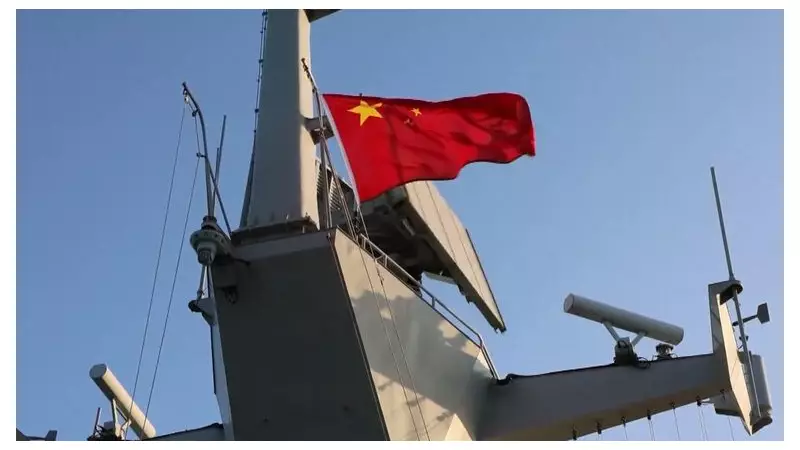
Despite being downgraded from top priority status, China remains a significant consideration in American defence planning. The strategy labels China as "the most powerful state relative to us [the US] since the 19th century", acknowledging Beijing's substantial global influence.
The United States will seek to maintain a favourable balance of military power in the Indo-Pacific region, though the document clarifies this will not be pursued for the purpose of "dominating, humiliating, or strangling China". Instead, the objective is to ensure that no country can dominate the United States or its allies. The Trump administration believes "a decent peace, on terms favourable to Americans but that China can also accept and live under" remains achievable.
Allied Concerns and Strategic Realignment
The strategy's release follows several contentious episodes in US-allied relations, including disagreements over potential American acquisition of Greenland and President Trump's claims that NATO troops did not fight on the frontline in Afghanistan. These developments have already strained relationships with traditional allies, and the new defence document is likely to exacerbate concerns among European and Asian partners about America's commitment to collective security arrangements.
The fundamental reorientation toward homeland defence and Western Hemisphere dominance represents the most significant shift in American defence strategy in decades, with potentially far-reaching consequences for global security architecture and alliance relationships that have defined international relations since the Second World War.