
The United States is actively considering launching attacks on land targets within Venezuela as part of its escalating campaign against drug trafficking networks, the White House has confirmed. This potential move marks a significant intensification of a conflict that has so far been confined to maritime strikes.
White House Confirms Escalation on the Table
On Monday 1 December 2025, White House Press Secretary Karoline Leavitt stated that "many options" are on the table for President Donald Trump to address the threat posed by Venezuelan drug gangs. This comes as President Trump prepared to meet with his national security team, with land-based strikes expected to be a key topic of discussion.
President Trump himself indicated last week that such land strikes would begin "very soon." Ms Leavitt declined to provide specific details about the meeting's agenda but emphasised the president's broad authority, telling reporters, "There's many options at the president's disposal that are on the table - and I'll let him speak on those."
Mounting Tensions and Legal Controversies
The situation remains highly volatile due to a substantial American military presence in the Caribbean region. This deployment includes the US flagship aircraft carrier and thousands of troops, underscoring the seriousness of the standoff.
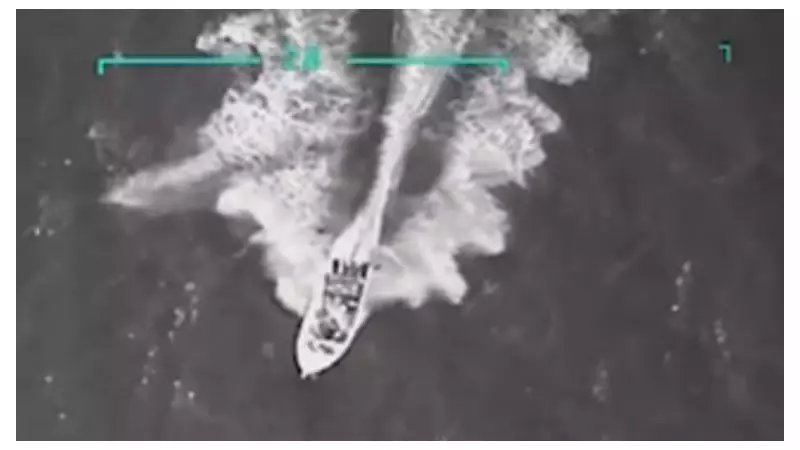
The US has carried out at least 21 strikes on boats allegedly smuggling narcotics over recent months, resulting in more than 80 fatalities. Venezuela has condemned these actions as murder, accusing President Trump of using the drug war as a pretext to oust President Nicolas Maduro and gain access to the country's vast oil reserves.
Legal questions continue to surround the US operations. The Pentagon has sought to justify the strikes by designating the targeted gangs as foreign terrorist organisations. Controversy specifically clouds an incident on 2 September, where a follow-up strike hit a boat after an initial attack, killing 11 people in total. US media reported that Defence Secretary Pete Hegseth had ordered that everyone on board be killed.
Mr Hegseth dismissed this as "fake news," asserting all actions comply with US and international law. He stated on X, "Every trafficker we kill is affiliated with a Designated Terrorist Organization." Press Secretary Leavitt later confirmed the second strike occurred but said Mr Hegseth had authorised Vice Admiral Frank Bradley to act, who then operated within his authority to "ensure the threat to the US was eliminated."
Diplomatic Wrangling and Accusations
Amid the military posturing, a tense diplomatic channel remains open. President Trump revealed on Sunday that he had spoken by phone with President Maduro, characterising the conversation as neither "well or badly." However, Trump also recently declared the airspace "above and surrounding" Venezuela closed, a move Caracas labelled a "colonial threat" and "illegal, and unjustified aggression."
The US has publicly released videos of boats being destroyed but has faced criticism for not providing corroborating evidence, such as photographs of recovered narcotics, to substantiate its smuggling claims. As the US weighs its next steps, the prospect of land attacks introduces a new and perilous chapter in the confrontation, raising the stakes for both nations and the stability of the region.




