Top US Army Officer Steps Down After Hegseth Reportedly Demands Removal
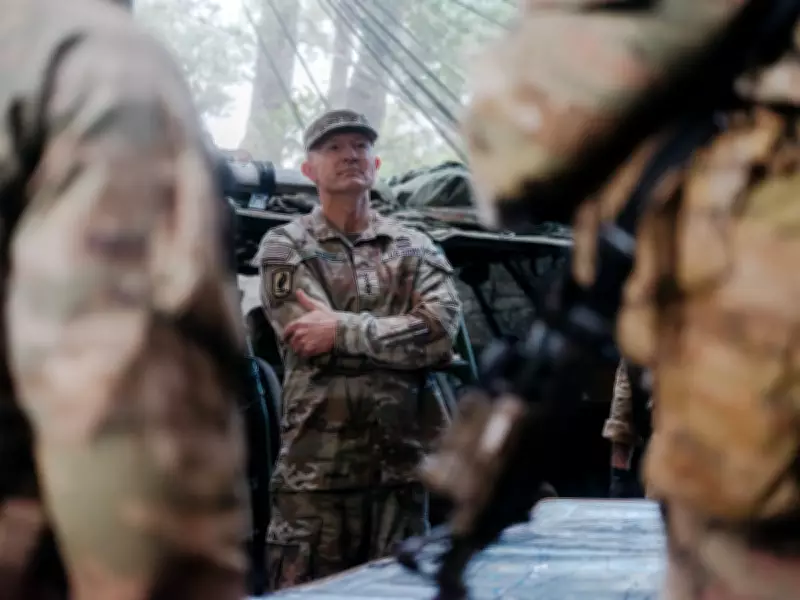
The Pentagon has announced that General Randy George, the US Army's chief of staff, is retiring from his role "effective immediately." This sudden departure comes after Defense Secretary Pete Hegseth reportedly requested that George step down, marking another high-profile dismissal under Hegseth's leadership.
Pentagon Confirms Immediate Retirement
In a statement shared on social media, Pentagon chief spokesperson Sean Parnell confirmed the retirement. "General Randy A George will be retiring from his position as the 41st Chief of Staff of the Army effective immediately. The Department of War is grateful for General George's decades of service to our nation. We wish him well in his retirement," Parnell said.
George had been nominated by President Joe Biden and confirmed by the Senate in 2023, which typically would have kept him in the position through 2027, as the army chief of staff role is generally held for four years. His early exit cuts short this expected tenure.
George's Distinguished Military Career
Before becoming chief of staff, George served as the senior military assistant to then-Defense Secretary Lloyd Austin from 2021 to 2022 during the Biden administration. A West Point graduate, he has had a long and decorated military career, including service in conflicts in Iraq and Afghanistan.
Just recently, the US Military Academy shared photos of George's visit, noting that he "shared experience-driven guidance with cadets preparing to lead" during his appearance, highlighting his ongoing engagement with military education.
Hegseth's Pattern of Dismissals
Since assuming leadership at the Pentagon, Hegseth has dismissed more than a dozen high-ranking officers. Notable removals include Air Force Vice-Chief of Staff James Slife and Chief of Naval Operations Lisa Franchetti. George's removal could potentially exacerbate existing conflicts between Hegseth and army leadership.
Hegseth has been embroiled in multiple scandals, including allegations of war crimes in the Caribbean and an inspector general report accusing him of mishandling classified military intelligence. These issues have cast a shadow over his tenure and decisions.
Recent Controversies and Policy Shifts
Earlier this week, Hegseth announced that army personnel who piloted two AH-64 Apache helicopters near Kid Rock's home in Nashville would not be suspended, and he closed the investigation into the incident. This decision has raised eyebrows and added to the scrutiny of his leadership style.
Additionally, reports emerged that Hegseth may be working to prevent the promotion of four military officers – two women and two Black men – to the rank of one-star general. Hegseth has been vocal about his plans to eliminate diversity, equity, and inclusion efforts within the US military, signaling a significant policy shift that has sparked debate and concern.
Implications for Military Leadership
George's sudden retirement adds to the turbulence within the Pentagon's upper echelons. As Hegseth continues to reshape military leadership, the departures of experienced officers like George could impact operational continuity and morale. The ongoing conflicts between Hegseth and army officials suggest a challenging period ahead for US defense governance.
This development underscores the broader tensions within the US military as it navigates leadership changes and policy reforms under Hegseth's controversial stewardship.