UN Human Rights Expert Faces Unprecedented Backlash After Genocide Accusation
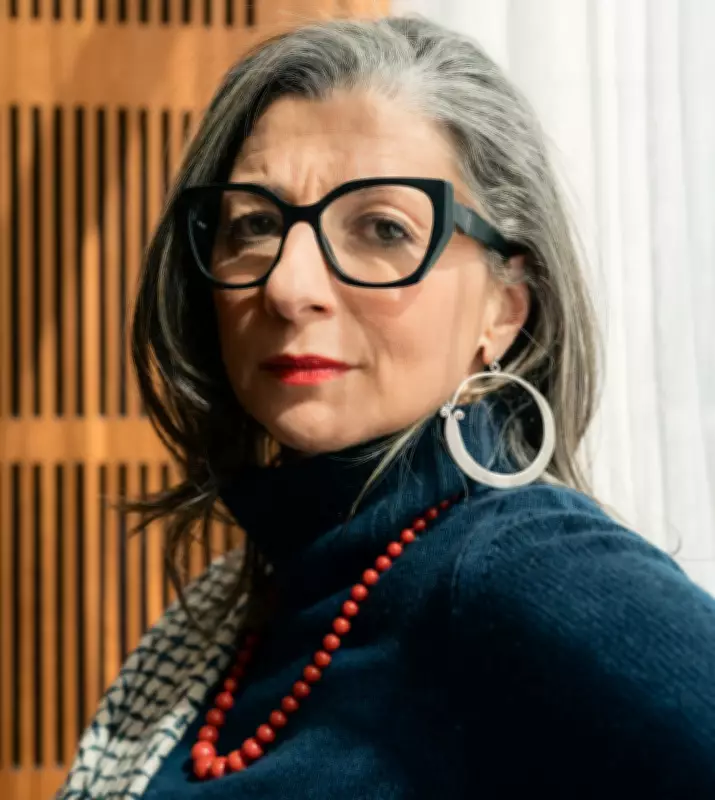
Francesca Albanese, the United Nations special rapporteur on the situation of human rights in the Palestinian territories occupied since 1967, has found herself at the center of a global storm following her March 2024 report titled "Anatomy of a Genocide." The 49-year-old Italian human rights lawyer, who serves in an unpaid UN position typically marked by obscurity, has become both a celebrated figure and a target of intense criticism.
From Obscurity to International Spotlight
Albanese's transformation from relatively unknown UN expert to international figure began with her detailed report examining Israel's military campaign in Gaza. While not the first to use the term genocide regarding the conflict, she became the first UN official to formally apply the label, documenting how the Israeli response to the October 7, 2023 Hamas attacks had resulted in over 75,000 Palestinian deaths, displaced more than 90% of Gaza's population, and reduced most of the territory to ruins.
"These are no ordinary times," Albanese explains during an interview in Geneva. "The untreated wound of Israel-Palestine has shown its capacity every generation to give the rest of the world a fever." Her consistent messaging over two years has condemned not just Israeli military actions but also what she describes as "the constellation of western states and corporations that have abetted them."

Personal Consequences and Sanctions
The professional consequences for Albanese have been severe and personal. The Trump administration designated her a "specially designated national," a classification typically reserved for terrorists, drug traffickers, and dictators. She is the first UN official to receive this designation.
"It was bad. That sort of puts you together with mass murderers and drug dealers of international proportions," Albanese says. "It was a paradox of facing one of the harshest forms of punishment without due process."
The sanctions have had devastating practical effects. Her Washington apartment has been seized, and she can no longer use credit cards anywhere in the world since most transactions are processed by US-based services. "I go around with cash or I have to borrow from friends or from family members," she reveals.
Family Under Pressure
The backlash has extended to her family. Her husband, Massimiliano Calì, a senior economist at the World Bank, was removed from his lead position running the Syria file after what Albanese describes as a campaign by pro-Israel activists based in Geneva. "The World Bank was completely craven," she states. "He has stellar records of performance in all his positions."
Calì and their 13-year-old daughter, a US citizen, are now suing Trump and administration officials in federal district court in Washington for breach of constitutional rights and seizure of property without due process. Under UN policy, Albanese cannot personally bring the case, but US law professors have filed an amicus brief warning of the "chilling effect" on free speech.
Death Threats and Security Concerns
Beyond sanctions, Albanese has faced direct threats to her safety. After presenting her March 2024 report, she received anonymous calls threatening her daughter with rape, with the caller specifically naming the school she attends in Tunis, Tunisia, where the family lives.
"That is when I started wondering: is it worth it? I have two kids. What if they harm them? I cannot take this responsibility," Albanese describes the period as "brutal." She has sought police protection but doesn't provide specific details about security arrangements, saying only: "I have what I need."
International Reactions and Restrictions
Germany attempted to ban her from speaking and sent riot police to a venue where she was scheduled to appear. Authorities threatened arrest for her references to two genocides Germany carried out in the 20th century and for using the phrase "from the river to the sea," which is banned in Germany due to its association with Hamas.
Regarding the UK, Albanese describes Prime Minister Keir Starmer as a "monster" for his 2023 statement that Israel "has the right" to cut off electricity and gas to Gaza. "You're not a human rights person at all if you say such a monstrosity," she asserts.

Mixed Reactions from Human Rights Community
Within the international human rights field, Albanese receives admiration for her commitment and impact, though some colleagues express concern about her mixing dispassionate legal language with passionate political rhetoric. When questioned about this criticism, Albanese responds with frustration: "Why can't I express a political view? Everything that is being done is political. The way human rights are not respected is political."
Public Support and Future Directions
Despite the challenges, Albanese has gained significant public support, particularly among younger generations. At speaking events, she draws large crowds of students, many wearing Palestinian keffiyehs. Her message combines personal narrative with calls for justice, telling audiences: "Justice will bloom for you and your children. We have it in our power to undo this."
She has also published a book, "When the World Sleeps: Stories, Words and Wounds of Palestine," which blends memoir with elegy to Palestinian resilience. The book features stories of ten characters, beginning with five-year-old Hind Rajab, killed in Gaza in January 2024.
Looking Forward
Albanese intends to continue her work for the remaining two years of her second three-year UN term. While some in Italy speculate about her potential political future, she dismisses the idea, saying she sees her role as making space for younger generations to enter politics.
"My life has become a rollercoaster," she reflects. "I never imagined living without a bank card, but I do. People help me. My freedom is stronger than my fear. You are defeated the moment you stop fighting."
Her experience represents a critical test case for international human rights mechanisms and free speech protections, highlighting the tensions between diplomatic protocol and passionate advocacy in addressing what she describes as "the first genocide that has caused an upheaval" in global consciousness.