UK's Cautious Military Posture in Iran Conflict Faces Scrutiny
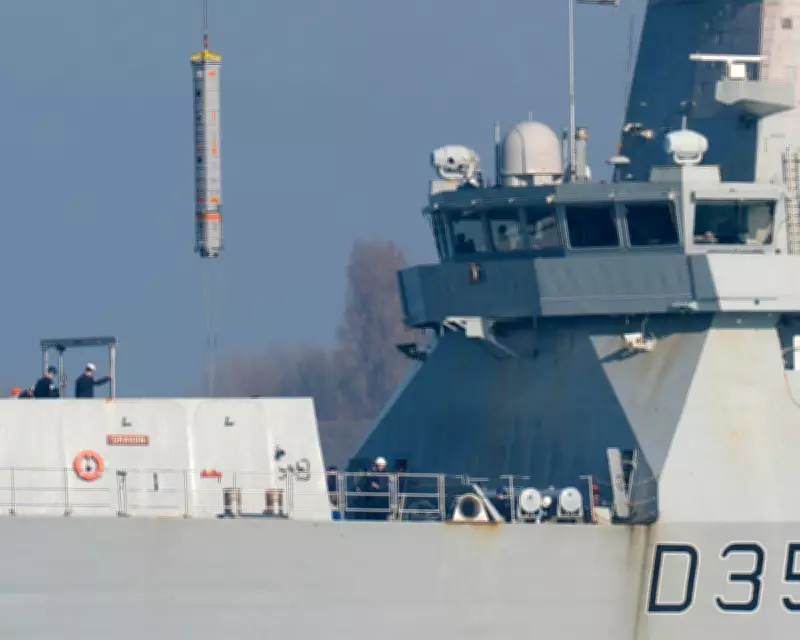
Equipment was being loaded onto HMS Dragon in Portsmouth harbor, Hampshire, on Wednesday as Britain prepared its military response to escalating Middle East tensions. The Type 45 destroyer remains in dry dock and would require nearly a week to sail to Cyprus, highlighting logistical challenges facing the Royal Navy.
Strategic Hesitation in Early Conflict Stages
Prime Minister Keir Starmer's initial reluctance to support US military actions against Iran may have constrained Britain's ability to protect its nationals in the Gulf region and reassure key allies. The UK government recognized potential threats to British soldiers and bases from Iranian retaliation but maintained limited deployments despite visible US military buildup.
Ministry of Defence insiders understood in January that Donald Trump was "giving himself options" regarding potential strikes against Iran. While Qatar requested RAF redeployment that same month for reassurance purposes, Britain preferred keeping its military positioning discreet throughout February.

Diplomatic Tensions and Legal Considerations
The UK government judged that participating in initial US-Israeli attacks against Iran would violate international law, as Tehran posed no imminent threat to British interests. This position created diplomatic friction when Trump asked Starmer during February discussions about using British airbases for bombing missions against Iran.
Starmer's refusal prompted public criticism from the US president, who complained about Britain's sovereignty transfer of the Chagos Islands to Mauritius. Trump suggested the US might need to utilize Diego Garcia airbase for operations against Iran, highlighting strained aspects of the special relationship.
Security Incidents Expose Vulnerabilities
When hostilities commenced, Britain appeared inadequately prepared despite advance warning. A missile and drone attack on a US naval base in Bahrain narrowly missed approximately 300 British personnel stationed nearby. Meanwhile, three Shahed-type drones targeted Akrotiri airbase in Cyprus, with one striking a runway.
The Akrotiri incident, while not causing serious damage, proved embarrassing and prompted evacuations of nearby villages and base families. Cyprus subsequently requested naval support from France and Germany as Britain considered its response options before deciding to dispatch a destroyer on Tuesday.
Naval Capability Concerns Surface
The Royal Navy currently maintains no warships in the Middle East apart from a single mine hunter, marking the first such absence since 2019. HMS Lancaster, the last permanently deployed frigate, was retired in December, leaving only three destroyers from a total of six capable of tracking and destroying drones available for deployment.
Vice Admiral Steve Moorhouse, fleet commander of the Royal Navy, recently argued that reduced British presence in the Middle East represented a strategic virtue, suggesting regional allies preferred "a more modern offer" focused on capability building rather than traditional deployments.
Escalating Regional Threats
Current concerns focus on Iran's retaliation potentially exhausting Patriot and Thaad air defense systems used by Gulf states. Starmer eventually permitted US utilization of British bases to target Iranian missile silos on Sunday, but by Wednesday officials indicated Britain might need to participate more actively in strikes against targets.
HMS Dragon requires several days to exit dry dock and prepare for deployment, followed by nearly a week's sailing time to reach Cyprus. While this delayed response might prove inconsequential if drone attacks cease, Britain appears to struggle with reassuring allies and protecting approximately 300,000 British nationals residing in the Gulf region.