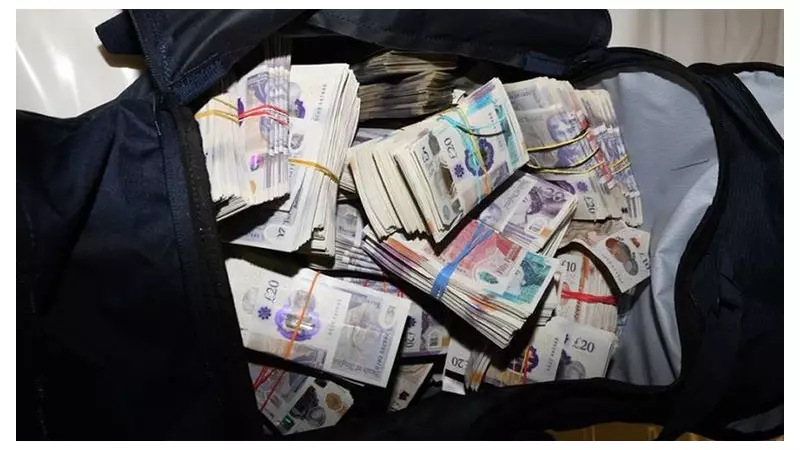
The National Crime Agency has uncovered a sophisticated billion-pound money laundering network operating across 28 towns and cities throughout the United Kingdom, with illicit profits directly supporting Russia's military operations in Ukraine.
How the criminal network operates
According to law enforcement officials, the extensive criminal enterprise collects "dirty" cash generated from drug sales, firearms trafficking and immigration gangs through a network of couriers. This illicit money is then converted into cryptocurrency to disguise its origins and facilitate international transfers.
The operation, first exposed through Operation Destabilise, has already led to 128 arrests and the seizure of over £25 million in cash and digital assets. The network became so brazen that it reportedly purchased an entire bank to process payments supporting Russia's military efforts and circumvent international sanctions.
Targeting the couriers
The NCA has launched a public awareness campaign targeting the cash couriers essential to the network's operations. Posters have been displayed in motorway service station toilets warning potential participants that it's "just a matter of time" before they face arrest.
Sal Melki, the NCA's deputy director for economic crime, emphasised the crucial role these couriers play in the criminal ecosystem. "Cash couriers play an intrinsic role in this global scheme," he stated. "They are in our communities and making the criminal ecosystem function - because if you cannot profit from your crimes, why bother."
Mr Melki highlighted the disproportionate risks couriers take, noting they receive minimal payment while facing years in prison, unlike the organisers who enjoy substantial profits from their illegal activities.
Cryptocurrency transparency and tracking
Despite common perceptions that cryptocurrencies provide anonymity for criminals, experts emphasise that blockchain technology actually creates transparent records of transactions. Madeleine Kennedy, vice president of communications at Chainalysis, explained: "Public blockchains are transparent by design, which makes cryptocurrencies a poor vehicle for money laundering."
Her company specialises in monitoring suspicious activity on blockchains - the databases recording digital asset transfers. "With the right tools, law enforcement can trace illicit funds - whether they're connected to drug trafficking, sanctions evasion, or cybercrime - and use those insights to disrupt networks and recover assets," she added.
The crackdown has already impacted criminal operations, with some network members becoming reluctant to operate in London and money launderers increasing their fees due to the heightened difficulty of cleaning illicit funds.
Security minister Dan Jarvis condemned the network's activities, stating: "This complex operation has exposed the corrupt tactics Russia used to avoid sanctions and fund its illegal war in Ukraine. We are working tirelessly to detect, disrupt and prosecute anyone engaging in activity for a hostile foreign state."