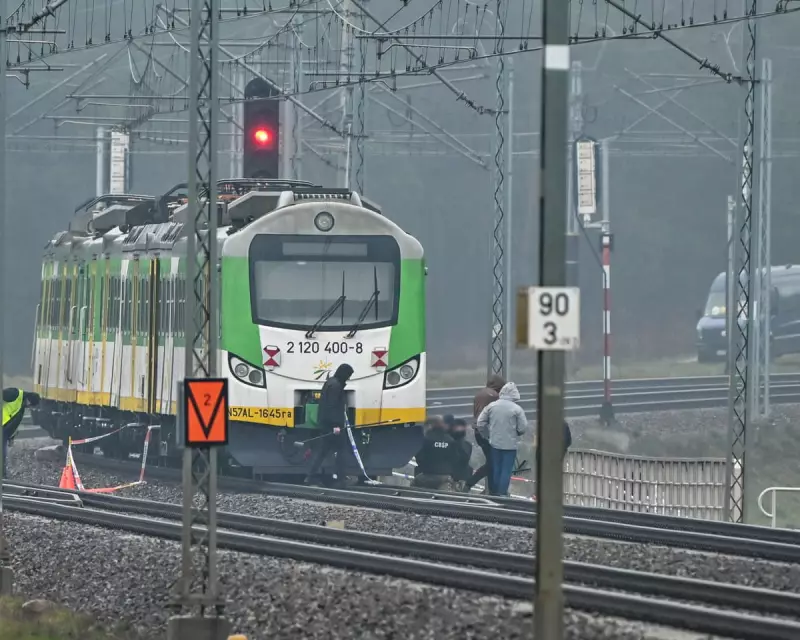
Polish PM Reveals Sabotage Plot by Russian-Controlled Ukrainians
Polish Prime Minister Donald Tusk has disclosed that two Ukrainian nationals, allegedly operating under Russian intelligence direction, stand accused of orchestrating dangerous sabotage operations on critical railway infrastructure in central Poland. The incidents occurred near Mika railway station, targeting a strategic route essential for transporting aid to Ukraine.
Tusk informed parliament that investigators discovered both a military-grade explosive device and a steel clamp deliberately attached to rail tracks in separate sabotage attempts. The explosive detonated beneath a freight train on Saturday night, causing minor damage to the train's undercarriage and significant damage to the tracks themselves.
Deliberate Attempt to Cause Catastrophe
Speaking during a parliamentary session on Tuesday, the Prime Minister characterised the incidents as unprecedented in their severity. "We are dealing with an act of sabotage, the consequence of which could have been... a serious catastrophe with casualties", Tusk stated, emphasising that only the perpetrators' errors prevented greater tragedy.
The Polish leader confirmed that both suspects are known to authorities and had previously entered Poland from Belarus shortly before executing their sabotage missions. After completing their operations, they promptly returned to Belarusian territory.
One suspect had a prior conviction for sabotage activities in Ukraine, while the other originated from the Russian-occupied Donetsk region. Tusk suggested that Russia deliberately recruits Ukrainian citizens to conduct such operations, aiming to foster anti-Ukrainian sentiment in countries like Poland that host substantial Ukrainian refugee communities.
Pattern of Russian-Linked Sabotage Across Europe
These railway incidents form part of a broader pattern of sabotage activities connected to Russian services operating throughout Europe. Tusk noted that such operations are "gaining momentum" across the continent.
Polish security services have been increasingly vigilant about sabotage and cyber-attack attempts in recent months, typically attributing responsibility to Russian operatives. According to Tusk's disclosure, authorities have currently detained 55 individuals in connection with such offences, with 23 formally arrested for direct involvement in sabotage acts.
The timing of these incidents proved particularly significant, occurring just one day after Poland reopened two border crossings with Belarus that had remained closed for years due to political tensions. Polish officials cited economic considerations as the primary reason for resuming border traffic.
Kremlin spokesperson Dmitry Peskov promptly dismissed the allegations, characterising them as another manifestation of Poland's "Russophobia."
Polish Foreign Minister Radosław Sikorski indicated that Poland is preparing strong diplomatic responses to both Belarus and Russia, including demands for cooperation with Polish investigations and the surrender of suspects.