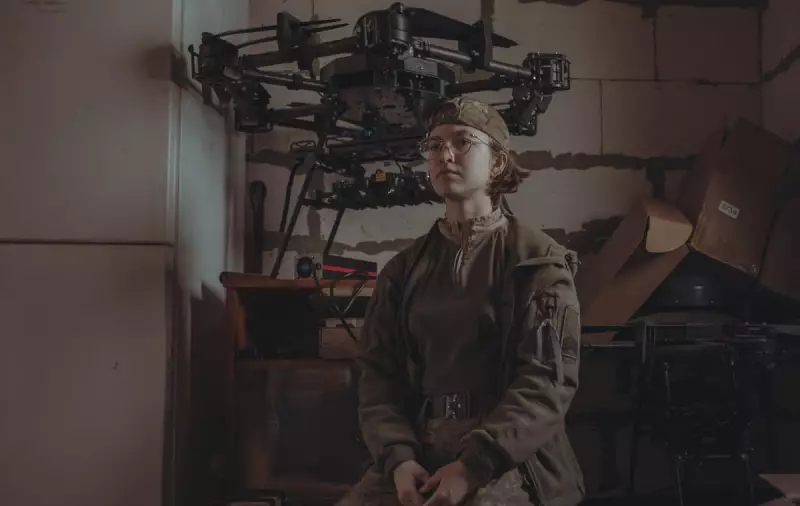
In the face of mounting casualties and severe personnel shortages, a quiet revolution is unfolding within the Ukrainian military. Women are joining frontline drone operations at an unprecedented rate, taking on roles once reserved for trained military personnel in a brutal and psychologically taxing combat environment.
The New Face of Ukraine's Defence
While women have participated in Ukraine's drone operations since the early months of the full-scale invasion, their presence has expanded significantly, particularly within FPV (first-person-view) attack units. There are no official figures, but instructors and unit commanders estimate that several dozen women are now active or in advanced training, with more enrolling every month.
The rapid recruitment drive reflects the urgent needs of a military under constant pressure. Trainee operators now undergo a short but intensive 15-day course before frontline deployment, a stark turnaround from traditional military training programmes. These civilian recruits are filling critical gaps as Ukraine becomes increasingly reliant on them to sustain its defence efforts.
Voices from the Frontline
Dasha, a 37-year-old drone commander on the eastern front, never expected to serve. She spent the invasion's first months volunteering before moving into drone work as more men from her region were killed or mobilised. "It wasn't about whether I was ready," she explains. "It was about the fact that there were fewer people left."
Her motivation stems from her two children, who now live in Europe. She wants them to return to a safe Ukraine, a hope strengthened by her 89-year-old father's survival of the Second World War. "I don't want my children to become the next generation of war children," Dasha states. "That's all the motivation I need."
Now leading a mixed-gender unit operating mere kilometres from Russian positions, she describes an atmosphere of exhaustion rather than heroism. "This isn't about women proving anything," she insists. "It's about necessity. Everyone is stretched. Everyone is adapting."
The Psychological Burden of Drone Warfare
For Elisabeth, a 30-year-old FPV drone pilot, the war first announced itself through sound. Her town endured repeated bombardment in 2022, forcing her to sleep in stairwells and basements for weeks. "After a while you stop asking what you can do," she reflects. "You ask what is still possible."
Her training coincided with heavy losses in her region, with several team members injured within months of deployment. The crisis quickly erased gender distinctions within units. "People stopped caring who was a woman or who wasn't," Elisabeth notes. "They cared who could fly."
The psychological weight remains her greatest challenge: the long hours, constant threat of detection by Russian drones, and the knowledge that every mission might involve killing or losing comrades. "It doesn't get easier," she confesses. "You just get used to carrying it."
Operators face significant danger working close to the frontline, frequently targeted by artillery, drones and guided bombs. The training centres themselves keep low profiles, changing locations after being repeatedly targeted.
Ilona, a 24-year-old trainee at a drone school near Kyiv, enrolled after months of watching Russian aerial attacks intensify around her home. With no military experience and little confidence, she initially believed drones were for professionals. "You understand very quickly that drone operators are hunted," she says. "You feel it from the first day."
What struck her most wasn't the danger but the overwhelming demand. Hundreds of civilians join waiting lists for training each month as the military's needs grow. "So many men my age are already gone," Ilona observes. "Someone has to take their place."
As Ukraine's defence continues, these women represent a fundamental shift in modern warfare - ordinary civilians stepping into extraordinary roles, carrying both the drones and the psychological burden that comes with them.