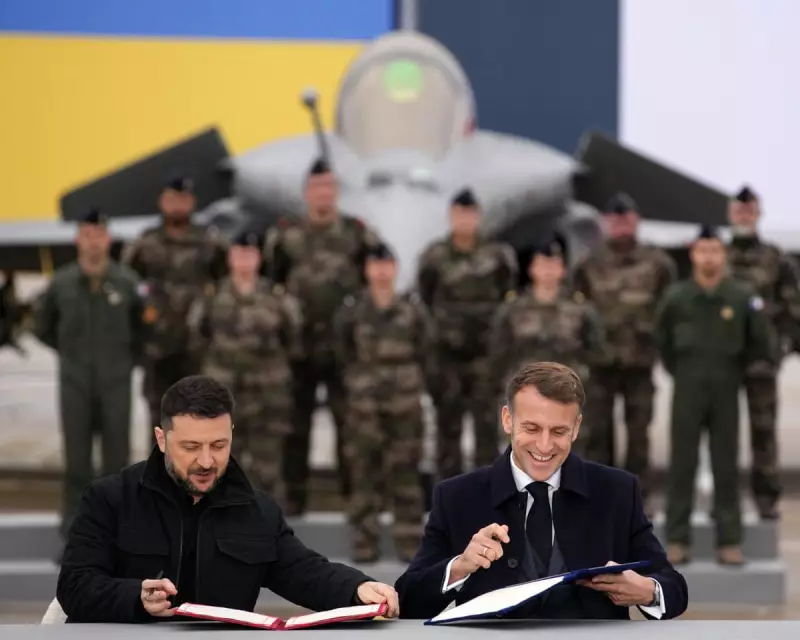
Ukrainian President Volodymyr Zelenskyy and French leader Emmanuel Macron have signed a significant defence agreement that will see Ukraine purchase French fighter jets, marking a crucial moment in European solidarity against Russian aggression. The signing took place at an air base near Paris on 17 November 2025, demonstrating France's commitment to strengthening Ukraine's military capabilities.
The Looming Financial Crisis in Kyiv
According to EU estimates, Ukraine will require more than €70 billion in additional financial assistance next year to maintain its defence against Vladimir Putin's ongoing invasion. This staggering figure comes as Washington has effectively withdrawn support, with former President Donald Trump refusing to seek new military funding from Congress.
The International Monetary Fund has entered negotiations with Kyiv concerning loans worth approximately $8 billion, but the IMF's decisions hinge entirely on what financial package the European Union can deliver. Without substantial support, Ukraine faces a potentially catastrophic cash crunch by spring 2025 that could devastate both military operations and essential social services.
European Union's Critical Decision Point
European leaders have been debating a proposed €140 billion "reparations loan" that would be underwritten by frozen Russian assets. However, the plan has encountered significant obstacles, including legal reservations from Belgium, where much of the frozen Russian money is held in financial institutions.
European Commission President Ursula von der Leyen has emphasised that "perfect or simple solutions do not exist" in this complex situation. An alternative proposal involves EU member states raising the necessary funds through issuing common debt, though this approach faces opposition from northern Europe's more fiscally conservative nations.
Geopolitical Stakes and Security Implications
The urgency of the funding crisis has been amplified by recent security developments, including the sabotage of Poland's rail network, which Warsaw attributes to Ukrainian citizens working for Russian intelligence. This incident highlights Moscow's willingness to employ hybrid warfare tactics within NATO territories to advance its strategic objectives.
President Zelenskyy has been actively touring European capitals as Ukraine approaches its fourth winter of conflict, seeking to bolster both military and financial support. His efforts have been complicated by a new corruption scandal involving kickbacks at Ukraine's nuclear energy agency, dealing a damaging blow to Kyiv's EU accession prospects.
The European Union faces a critical December deadline, with leaders scheduled for their final council meeting of the year. The decision they make will not only determine Ukraine's immediate future but will significantly impact Europe's long-term security architecture, particularly as Putin continues his campaign to destabilise the EU's eastern flank.