A significant diplomatic rift has emerged between the United Kingdom and United States, with Britain reportedly suspending intelligence sharing with its closest ally over controversial American military actions in the Caribbean.
Intelligence Sharing Suspended Over 'Drug Boat' Strikes
The unprecedented move comes in response to US airstrikes targeting vessels suspected of drug trafficking in Caribbean waters. These military operations have resulted in more than 70 fatalities and are facing mounting international criticism for potentially violating established international law.
This development represents one of the most serious public disagreements between the two nations in recent years, occurring as world leaders commemorate the anniversary of the First World War armistice. The timing underscores the gravity of the situation between these traditional allies.

Growing International Condemnation
The American airstrikes, directed at what US authorities describe as "drug boats," have drawn condemnation from multiple quarters. Legal experts and international observers question the legality of such operations in international waters, particularly given the high civilian death toll exceeding seventy people.
James Matthews, reporting from Washington, and Martha Kelner in Los Angeles have been analysing what this rare breach indicates about the current state of trust between the American and British governments. The intelligence suspension suggests fundamental disagreements about appropriate military conduct and international legal standards.
Broader Political Implications
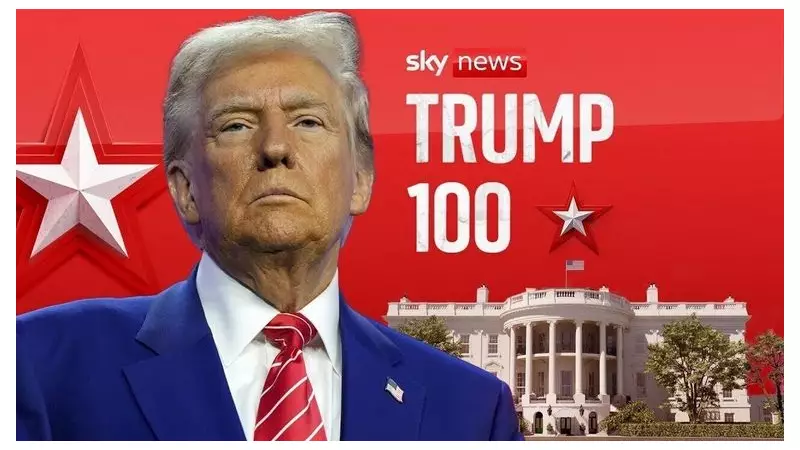
Meanwhile, at the COP30 climate conference in Brazil, Sky's science and technology editor Tom Clarke reports that California Governor Gavin Newsom has emerged as a prominent voice on the international stage. Notably absent from these discussions is former President Donald Trump, whose "Trump100" podcast team continues to engage with public questions about American foreign policy.
The combination of these developments paints a complex picture of shifting international alliances and growing tensions within traditionally strong partnerships. The suspension of intelligence cooperation between London and Washington represents a significant escalation in diplomatic disagreements that could have lasting implications for global security cooperation.
As both nations navigate this delicate situation, observers question whether this represents a temporary disagreement or signals a more fundamental recalibration of the special relationship that has defined Western security architecture for decades.