Intelligence Rift Emerges in Historic Alliance
Britain has taken the extraordinary step of suspending intelligence cooperation with the United States in the Caribbean, creating an unprecedented public fissure in one of the world's closest security partnerships. The decision stems from London's concerns that US military strikes against vessels accused of drug trafficking violate international law.
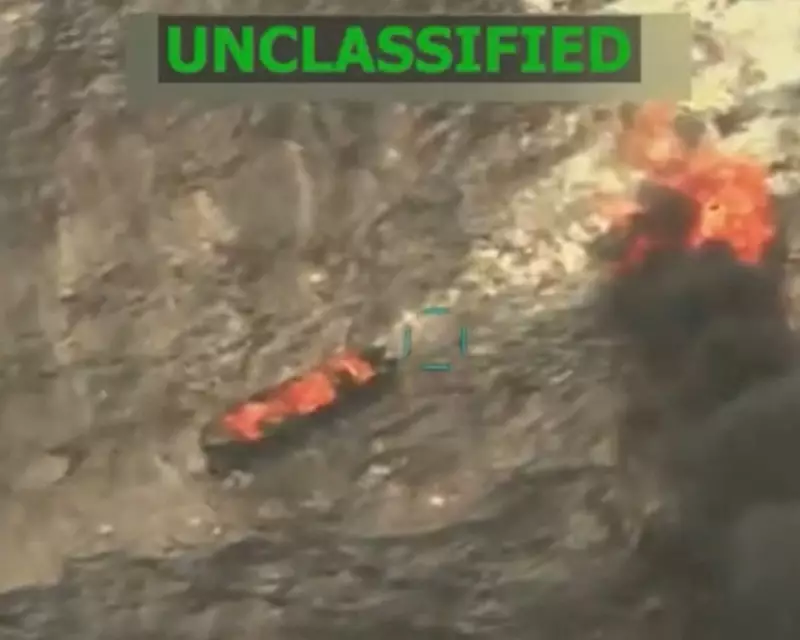
This development comes amid an escalating US campaign in the region that has seen 75 people killed in 19 strikes since September, according to White House figures. The Trump administration justifies the operations by declaring it's engaged in a 'non-international armed conflict' with drug cartels designated as terrorists.
Legal Concerns Force UK's Hand
Matthew Savill, director of military sciences at the Royal United Services Institute, described the complete intelligence shutdown as highly unusual. 'Turning off the tap completely is pretty rare,' said Savill, a former civil servant. 'I suspect when the first boat was blown up, somebody from the UK would have sought clarification from the US.'
The legal foundation for Britain's position appears unequivocal. Dominic Grieve, attorney general between 2010 and 2014, stated: 'I am not surprised at all. There is no legal basis for killing people in this way. They can be brought to justice and are not an imminent threat to life.'
Experts have consistently questioned the strikes' legality since they began, noting that the US is neither at war with drug cartels nor facing imminent armed attack from them. A group of security experts wrote on the Just Security blog that 'the eventual arrival of drugs for sale in the United States is neither an attack nor an imminent threat of attack'.
Broader Implications for UK-US Relations
The intelligence suspension represents the latest strain in a relationship that dates back to the UKUSA alliance of 1946, predating even the Five Eyes partnership. This isn't the first time Britain has paused intelligence sharing over legal concerns - similar actions occurred during Barack Obama's presidency regarding CIA drone strikes.
However, the current situation appears more volatile. The leak revealing Britain's decision came via CNN, with UK authorities maintaining official silence while failing to deny the report's accuracy. This careful approach reflects London's traditional reluctance to publicly criticise Washington.
The timing compounds existing tensions, coming alongside Trump's threat to sue the BBC and following an incident where FBI chief Kash Patel reportedly reneged on a commitment to MI5 director general Ken McCallum regarding a surveillance post in London.
As Lawrence Friedman, emeritus professor of war studies at King's College London, noted: 'I'm not sure if the US administration will want to make a big fuss because there are already correctly doubts in Congress about the legality of the operation.' Yet Matthew Savill warns that 'the UK is going to have to think much more carefully about how it supports the US' under the current administration.