The United Kingdom has taken the significant step of halting some intelligence sharing with the United States regarding suspected drug trafficking vessels in the Caribbean. This decision stems from deepening concerns within Whitehall that American military strikes on these boats could constitute a breach of international law.
Background of the Intelligence Partnership
For a considerable time, Britain has been a key ally for the US in combating narcotics smuggling in the Caribbean region. The UK controls several overseas territories in the area, where it bases intelligence-gathering assets. Information collected there has been shared with American authorities, primarily to help the US Coast Guard locate ships, seize drugs, and detain crews.
However, this long-standing cooperation has been fundamentally disrupted. The shift began in early September, when the Trump administration initiated a new policy of carrying out lethal strikes on vessels allegedly involved in drug trafficking.

The Trigger for the UK's Decision
According to reports from CNN, which Downing Street has not denied, the intelligence-sharing pause began over a month ago. UK officials grew apprehensive that the intelligence they provided was being used not just for interdiction, but to acquire targets for military strikes that Britain believes may be illegal.
The US has reported conducting 14 strikes since September on boats near the Venezuelan coast. The overall death toll from US attacks in both the Pacific and the Caribbean Sea has now risen to more than 70 people.
Sources indicate that Britain shares the assessment of the UN's human rights chief, Volker Turk, who has described the US actions as "unacceptable" and a violation of international human rights law, amounting to extrajudicial killing.
Political Fallout and Official Responses
This development creates a potentially awkward diplomatic backdrop. A meeting between Foreign Secretary Yvette Cooper and her US counterpart Marco Rubio was expected on Wednesday at the G7 foreign ministerial summit in Canada.
When questioned about the pause in intelligence sharing, a Number 10 spokesman adhered to a standard line, stating, "We don't comment on security or intelligence matters." The official emphasised that the US remains the UK's closest partner on defence and security but reiterated the principle of not commenting on intelligence issues.
He added that "decisions on this are a matter for the US" and that determining whether actions are against international law is a matter for competent international courts, not individual governments.
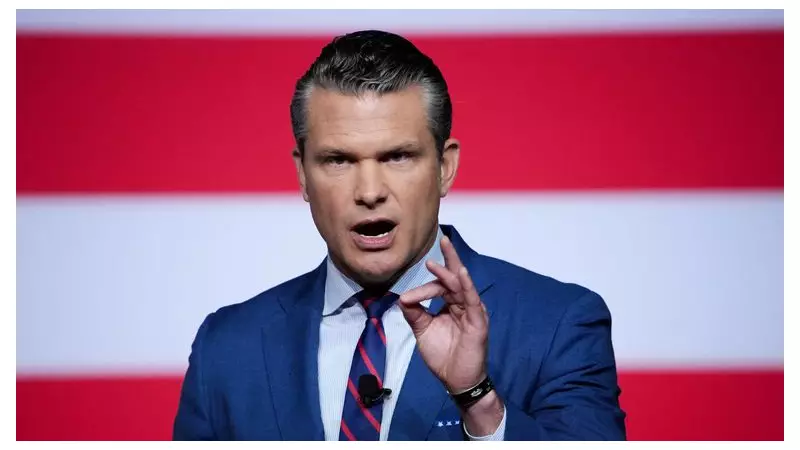
The Pentagon also declined to comment, with an official stating the department "doesn't talk about intelligence matters." Meanwhile, US Secretary of War Pete Hegseth has publicly defended the strikes, announcing on X that recent "lethal kinetic strikes" were conducted against vessels operated by "Designated Terrorist Organizations" and resulted in the deaths of six individuals.
The government of Venezuela has condemned the US actions, labelling them as illegal, amounting to murder, and an act of aggression against a sovereign nation.