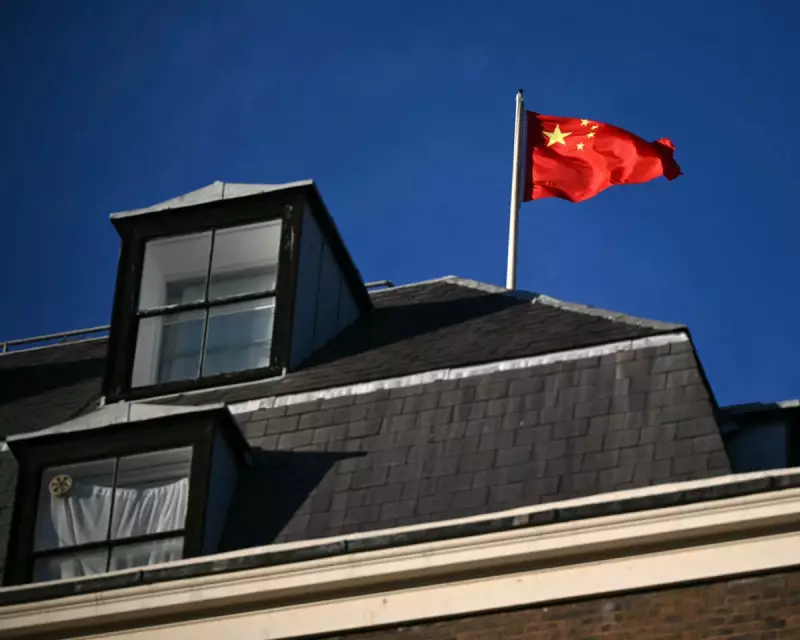
National Security Paramount in UK-China Relations
Science Secretary Liz Kendall has declared that national security 'will always come first' for the UK government, amidst reports that a new Chinese embassy in London could be approved. Speaking on Sky News, Kendall declined to comment directly on the specific reports but stated that any decisions would be 'taken through the proper process'.
She emphasised a 'clear-eyed' approach to the relationship with China, stating that while security is non-negotiable, the government will cooperate on the economy and research where it is safe to do so, aiming for the 'best outcome for the British public'. When questioned about potential plans for Prime Minister Keir Starmer to visit China next year, Kendall said she was unaware of his diary plans but confirmed he takes such issues 'extremely seriously'.
Public Finances and Energy Bills in Focus
In a separate economic development, official figures from the Office for National Statistics revealed that the UK government borrowed £17.4 billion in October. This figure, while lower than the same month last year, represents the third-highest October deficit on record and exceeded economist forecasts of £15 billion.
Treasury chief secretary James Murray, speaking ahead of the budget, stated that Chancellor Rachel Reeves would outline plans to 'cut debt', arguing that money spent on servicing national debt should be redirected towards vital public services like schools, hospitals, and the armed forces.
Meanwhile, households are facing a fresh financial squeeze as the energy regulator Ofgem announced an increase to its price cap. From 1 January, the average dual-fuel energy bill in England, Scotland, and Wales will rise by 0.2%, adding approximately 28p per month. Shadow energy secretary Claire Coutinho seized on the news to criticise the net zero plans of Ed Miliband, claiming they would 'lock us into paying higher bills for decades'.
Further Political Developments
Prime Minister Keir Starmer is currently attending the G20 summit in South Africa, where he is engaged in discussions on sustainability and economic growth. In domestic politics, Starmer has accused Reform UK leader Nigel Farage of being 'spineless' in tackling racism, following allegations of xenophobic and antisemitic comments made by Farage during his school years.
A damning official report on the UK's pandemic response concluded that the reaction was 'too little, too late', suggesting that an earlier lockdown could have saved over 20,000 lives. Starmer has addressed these failings in a parliamentary statement.
In other news, Chancellor Rachel Reeves is facing pressure from 40 Labour MPs to abandon the use of Private Finance Initiatives (PFI) for NHS building projects, warning it would saddle the health service with debt. Additionally, the Liberal Democrats are forcing a parliamentary vote on creating a new customs union with the EU to pressure Labour into a more pro-European stance.