
Prime Minister Keir Starmer has indicated that the United Kingdom should explore re-entering negotiations for a defence pact with the European Union, emphasising that Europe must "step up and do more" to bolster its security in an increasingly uncertain global landscape. This move could involve rejoining the EU's €150 billion Security Action for Europe (Safe) defence fund, which aims to accelerate defence capabilities across the continent.
Reviving Defence Talks with the EU
Discussions for the UK to participate in the Safe fund collapsed in November 2025, primarily due to disagreements over financial contributions, with France being cited as a key factor in the breakdown. However, there is now growing interest from both sides to revisit this opportunity, especially in light of geopolitical tensions and criticisms from figures like former US President Donald Trump regarding NATO commitments.
During a recent trip to China, Starmer addressed the possibility of the UK rejoining a future round of the Safe pact if terms are favourable. He stated, "Europe, including the UK, needs to do more on security and defence. We've got to step up and do more. It's not only President Trump who thinks Europe needs to do more but other presidents as well. I think the same."
Potential Benefits for the UK Defence Industry
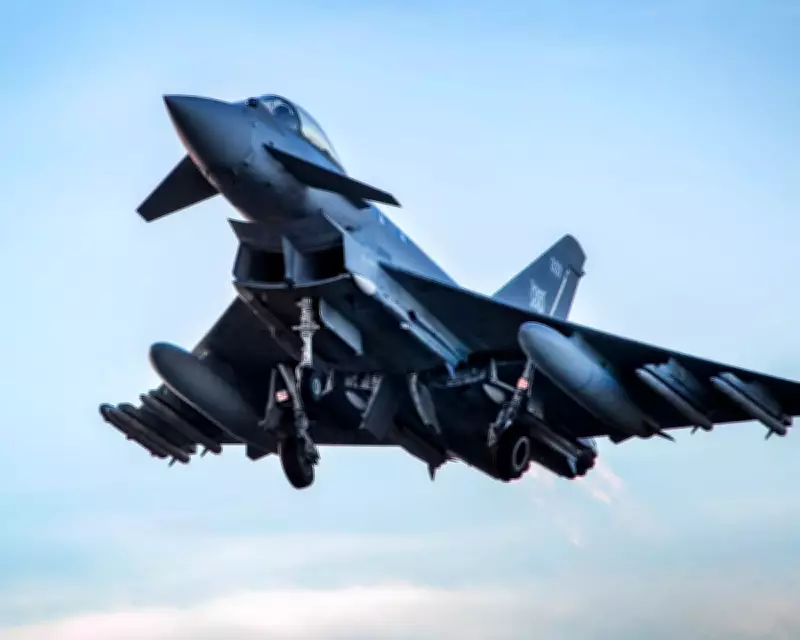
If the UK were to join the Safe programme under third-country rules, British companies could gain access to more procurement contracts, providing arms and equipment to EU member states. This could significantly boost the UK's defence sector, which has already seen recent successes, such as a £10 billion deal with Norway for anti-submarine warships built in Britain and the sale of 20 Typhoon fighter jets to Turkey for £8 billion.
The Safe fund operates by raising money on credit markets, which is then lent to member states over 45 years for purchasing defence assets like ammunition, drones, and missiles. While the UK is not eligible for loans from the fund, participation would open up lucrative tendering opportunities for British firms.
Political Context and Challenges
Starmer faces pressure from within his own party to strengthen ties with the EU, though he has ruled out rejoining the customs union or single market due to potential conflicts with existing trade deals. EU relations have become a divisive issue between Labour and Nigel Farage's Reform UK, with the government maintaining a stance against free movement or full market reintegration.
In China, Starmer criticised Farage's Brexit promises, calling the previous deal "botched" and damaging to the economy. He emphasised the need to reset the UK-EU relationship, focusing on closer cooperation in defence, security, energy, emissions, and trade.
Upcoming Diplomatic Engagements
The Guardian has reported that the UK and EU are exploring new talks on defence cooperation. Maroš Šefčovič, the EU's trade commissioner, is scheduled to visit London next week for discussions on trade, energy, and fisheries. Although defence is not officially on the agenda, there may be opportunities to address it at a political summit in Washington, convened by US Secretary of State Marco Rubio, where the Foreign Office will send a minister.
Starmer aims to build on recent bilateral defence agreements with European allies and is open to various initiatives beyond Safe to enhance collaboration. He remarked, "Whether it's Safe or other initiatives, it makes good sense for Europe in the widest sense of the word – which is the EU plus other European countries – to work more closely together."
This push for greater European defence integration reflects a strategic shift in UK policy, prioritising collective security and economic opportunities in the defence industry amidst global uncertainties.




