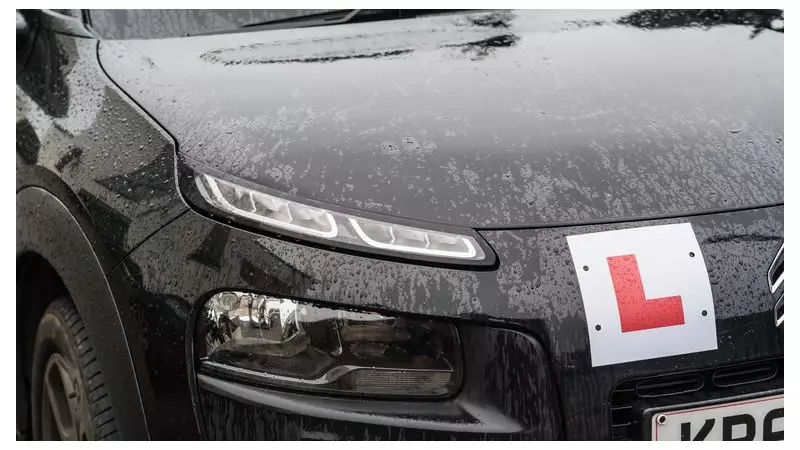
Sharp Rise in Driving Test Fraud Across Britain
Attempts to cheat on driving tests in the United Kingdom have experienced a dramatic 47% increase within a single year, according to recent official figures. This concerning trend has raised significant alarms among road safety experts and authorities about the potential dangers posed by unqualified drivers on British roads.
Alarming Statistics Reveal Escalating Problem
The Driver and Vehicle Standards Agency (DVSA) has released data showing that 2,844 cases of driving test cheating were recorded during the year ending September 2025. This represents a substantial jump from 1,940 incidents during the previous twelve-month period and marks a more than doubling since the 1,274 cases documented in 2018/19.
Marian Kitson, DVSA's director of enforcement services, emphasised the agency's commitment to tackling this issue: "It is essential that all drivers demonstrate they have the right skills, knowledge, and attitude to drive safely. Our counter-fraud team carries out robust investigations into suspected fraud, working with the police to bring fraudsters to justice and keep Britain's roads safe."
Sophisticated Cheating Methods Exposed
Modern cheating techniques have evolved significantly, with fraudsters employing increasingly sophisticated methods to bypass testing protocols:
- Wireless earphones connected to hidden mobile phones via Bluetooth
- Professional impersonators hired to take tests on behalf of learners
- Concealed electronic devices and communication equipment
Technology-assisted cheating on theory tests represented the largest category of incidents during 2024/25, accounting for 1,113 cases. The financial incentives for impersonators can be substantial, with courts hearing that some individuals received payments of up to £2,000 for successfully passing a test on someone else's behalf.
Notable Prosecutions and Legal Consequences
The DVSA reported that ninety-six individuals faced prosecution for driving test cheating or impersonation offences during 2024/25. Among the most prominent cases:
- Qounain Khan, a 23-year-old from Birmingham, received an eight-month prison sentence at Cardiff Crown Court in June 2025 after admitting to impersonating learners at theory test centres on twelve separate occasions.
- Ali Rasul, now 22 from Exeter, was given a two-year prison sentence at Exeter Crown Court in November 2025 for repeatedly attempting to cheat the theory test over eight months using hidden earpieces and impersonators.
Those convicted of driving test fraud face severe penalties including driving bans, imprisonment, unpaid work orders, and substantial court costs. Both the learners who hire impersonators and the impersonators themselves are subject to these legal consequences.
Enhanced Detection Measures Implemented
The DVSA attributes the increase in recorded cases to both more frequent cheating attempts and improved detection capabilities. The agency has implemented several countermeasures to identify and prevent fraud:
- Enhanced facial recognition checks to verify candidates match their identification documents
- Physical inspections including sleeve rolling, pocket emptying, and pat-downs
- Metal detector screening at test centres
- Intelligence-led operations to identify repeat offenders and suspicious vehicles
The RAC Foundation, a respected motoring research charity, has expressed serious concerns about the safety implications of test cheating. Their analysis suggests that unqualified drivers who obtain licences through fraudulent means pose significant risks to other road users and pedestrians.
Broader Context and Future Challenges
This surge in cheating incidents occurs against a backdrop of substantial practical driving test backlogs across many UK test centres. However, the DVSA has stated that it currently lacks evidence directly linking the increased waiting times with the rise in fraudulent behaviour.
The agency continues to develop and refine its fraud detection capabilities, with Marian Kitson confirming that the DVSA has "enhanced its fraud detection capabilities" to address this growing challenge. As technology evolves, so too must the methods employed to maintain the integrity of the driving testing system and ensure that only properly qualified individuals receive driving licences.