UK Armed Forces Under Fire for Systemic Failures and Waste
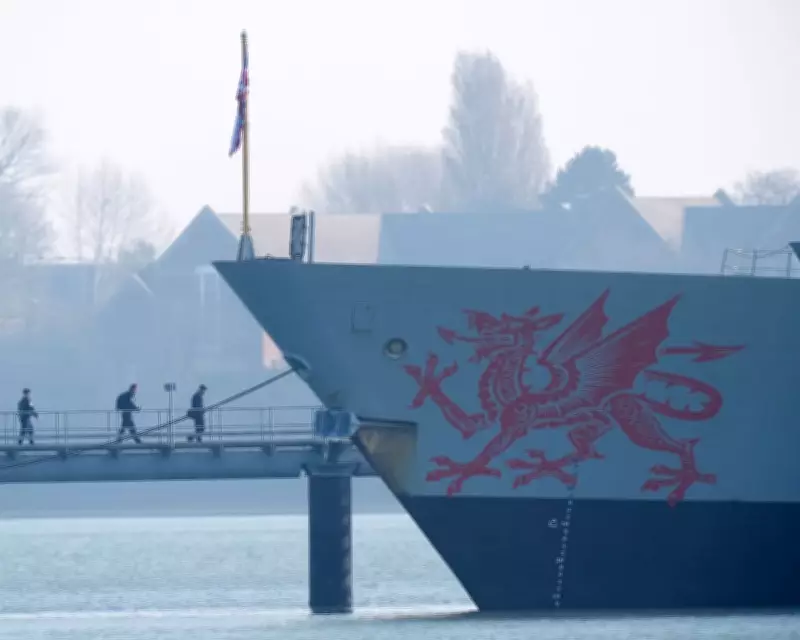
Britain's armed forces are facing intense criticism for a state of disarray, with experts pointing to internal complacency and mismanagement as primary culprits. Recent events, such as the hurried deployment of HMS Dragon from Portsmouth, highlight deeper issues within the Ministry of Defence (MoD) that have persisted for years.
Complacency and Lack of Accountability
Lord George Robertson, a former defence secretary and Nato secretary general, recently accused Prime Minister Keir Starmer of "corrosive complacency towards defence", but critics argue the blame lies closer to home. The MoD and successive defence secretaries have failed to challenge senior military leaders who resist change, often prioritizing outdated strategies over new geopolitical realities and technologies. Many of these leaders have transitioned to roles in arms companies, fostering a defence lobby that shields them from effective scrutiny in Whitehall or Westminster.
High-Profile Failures in Equipment and Readiness
The state of Britain's military readiness was starkly illustrated by HMS Dragon, the navy's only available destroyer for Middle East conflicts, which required immediate repairs upon deployment. Meanwhile, the £6bn-plus aircraft carriers, Queen Elizabeth and Prince of Wales, were unavailable, plagued by mechanical issues that have cost over £1bn in maintenance. These carriers, while useful for symbolic missions, fail to address critical air defence gaps closer to home.

In the army, the Ajax armoured vehicle project is a disaster, with £6bn spent on a system eight years late and so defective it causes sickness and hearing loss in soldiers. The MoD continues to invest billions in outdated weapons, such as heavy tanks, and recently committed to buying 12 Lockheed Martin F-35 fighters for an estimated £1bn, despite no recommendation for new nuclear systems in recent defence reviews.
Slow Adaptation to Modern Threats
The MoD has been notoriously slow to address emerging threats like cyberwarfare and drones, which offer cheaper and more adaptable warfare options. This reluctance to modernize exacerbates the forces' inability to counter current security challenges effectively.
Financial Mismanagement and Treasury Reluctance
With a defence budget set to rise from £60.2bn in 2024-25 to £73.5bn by 2028-29, the MoD claims it needs an extra £28bn over four years for "war-fighting readiness". However, the Treasury's hesitation to approve these funds is understandable given the MoD's track record. The department has repeatedly ignored damning reports from the National Audit Office and Commons public accounts committee on accounting and procurement failures. Projects like the Astute and Dreadnought submarine fleets face costly delays and mechanical problems, further eroding confidence.
Call for Increased Scrutiny
Evidence suggests the MoD requires more, not less, oversight from "non-military experts", including those in the Treasury and intelligence agencies. These groups can advocate for modern, cost-effective systems and help foresee conflicts, ensuring resources are allocated wisely to enhance national security without wasteful spending.