Trump's Iran War: A Descent into Chaos and Global Instability
In a world increasingly defined by unregulated aggression, the spectacle of two nuclear-armed rogue nations engaging in conflict to prevent a third from acquiring similar capabilities presents a dire scenario. This war, as highlighted in recent editorials, is not just a regional crisis but a source of widespread chaos, death, and destruction across the Middle East, with ripple effects threatening global stability and unknowable consequences for all nations.
The New 'World Order' and Its Dangerous Precedents
If this conflict represents a new "world order" where rogue states can freely pursue acquisitions, it sets a perilous precedent. Such actions could embolden other nations with longstanding territorial claims, such as China regarding Taiwan, Spain with Gibraltar, or Argentina with the Falklands, to act similarly. This escalation risks normalizing aggression and undermining international norms, leaving the global community grappling with how to halt this descent into madness.
The United Kingdom, once a significant player on the world stage, now finds its influence waning. Its political classes are deeply entangled with the aggressors in this conflict, severely limiting their ability to maneuver or effect change at a national level. This complicity forces individuals to take action, drawing inspiration from historical movements like the anti-apartheid campaign in South Africa, which used boycotts and sports embargoes to drive change.
Letters from Readers: Critiques and Calls for Action
In a series of letters to the editor, readers express their concerns and propose solutions. David Tayler from Bristol argues for a grassroots approach, suggesting that boycotting US and Israeli products and services, along with disengaging from events like the FIFA World Cup, could pressure these nations to reconsider their antagonistic policies. This strategy mirrors past successful campaigns that leveraged economic and cultural pressure to foster diplomatic shifts.
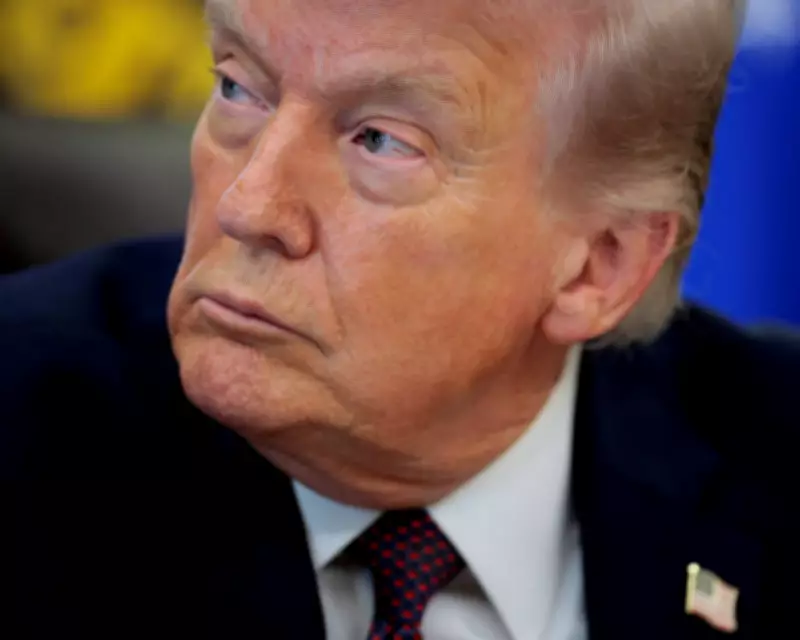
Peter Gregory from Marsham, Norfolk, offers a scathing critique of Donald Trump's motivations, describing the war as part of a "crusade" driven by vengeance and a desire for divine atonement rather than clear strategic objectives. He contends that Trump's methods are marked by "serious craziness," with the conflict serving as a means to vent ire and demonstrate power, ultimately destabilizing the region for personal or ideological gains.
Rev Graham Murphy from Liverpool questions the UK's compliance, noting that despite initial resistance, the country has quietly allowed US military use of UK airspace, akin to its stance in Gaza. He calls for a U-turn, emphasizing that involvement in this war is both immoral and illegal, with potential long-term economic disasters for the UK and Europe if dissent is not enforced.
John Gittings, a former East Asia editor, points to China's inaction, criticizing its failure to mediate despite claims of practicing "major country diplomacy." He argues that Beijing's reluctance, possibly influenced by its relationship with Russia, undermines global peace efforts and that international pressure should urge China to play a constructive role in resolving both the Iran and Ukraine conflicts.
Conclusion: A Call for Global Responsibility
As the war in Iran continues to unfold, it underscores the urgent need for coordinated international action to address rogue state behavior and prevent further escalation. The letters highlight a consensus on the dangers of current policies and the importance of individual and collective efforts to advocate for peace and stability. In this turbulent era, the responsibility falls not only on governments but on citizens worldwide to challenge aggression and support diplomatic solutions.