
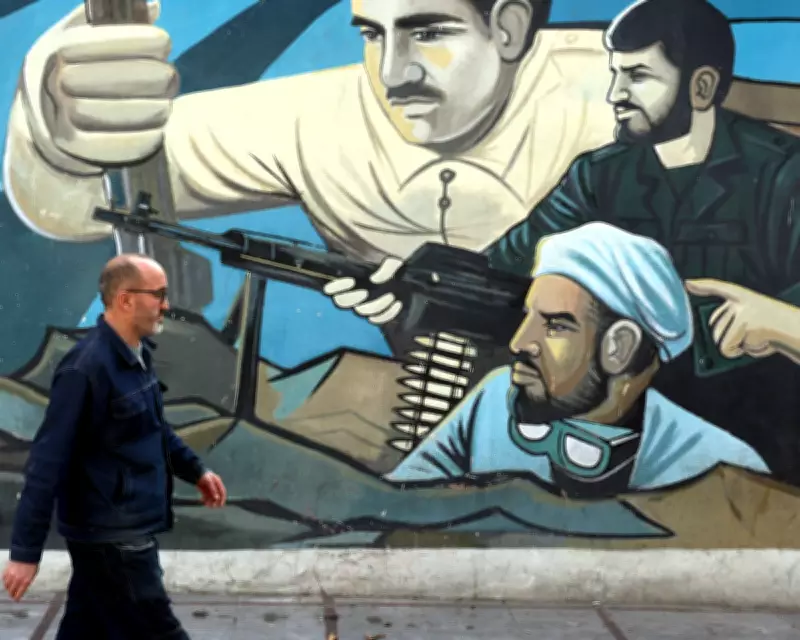
The stark imagery of a wall painting depicting Iranian soldiers in Tehran serves as a potent backdrop to a deepening crisis, where the prospect of foreign military intervention looms large. As editorial analysis underscores, such actions could exact a devastating human toll while failing to advance democratic ideals for the Iranian people.
The Brutal Reality of State Repression
The Iranian regime's crackdown on widespread protests has been characterised by extreme brutality, with authorities employing severe measures to suppress dissent. Despite efforts to obscure the full scale of the violence by cutting communications and destroying evidence, the regime's willingness to shed citizen blood is evident, driven by a perceived existential threat from unrest challenging its very foundation.
Official reports cite 3,000 deaths, but human rights organisations and medical networks suggest the true figure could be as high as 30,000. Disturbing accounts detail security forces shooting fleeing individuals and arresting medical professionals for aiding the wounded, painting a grim picture of state-sanctioned violence.
Trump's Unpredictable Posturing
Amid this turmoil, former US President Donald Trump has re-entered the fray with provocative statements, urging Iranians to persist in protests while promising assistance. His recent social media warnings about a "massive Armada" heading to Iran and threats of attacks surpassing previous strikes have heightened tensions. However, his focus appears skewed towards nuclear non-proliferation demands rather than addressing the immediate humanitarian plight of protesters.
Trump's history of unpredictability, including last-minute cancellations of military actions, adds to the uncertainty. His interventionist rhetoric has shifted attention from domestic issues, with Iran serving as a convenient distraction and popular target among his political base.
The Perils of Military Intervention
Many analysts describe Iran as a "zombie state"—frail yet tyrannical, struggling to maintain basic living standards or sovereignty. Military strikes, however, are unlikely to yield positive outcomes. Such intervention could result in significant civilian casualties without fostering democracy, potentially leading to the rise of a strongman from the Revolutionary Guard or plunging the nation into chaos.
A more constructive approach, albeit challenging, would involve diplomatic efforts to revive a revised JCPOA nuclear deal, which Trump previously undermined. This could address non-proliferation concerns while avoiding the pitfalls of armed conflict.
Regional and Global Implications
The situation has broader geopolitical ramifications. Israel views a weakened Iran as advantageous, while regional powers like Turkey and Saudi Arabia urge restraint, fearing heightened instability, increased migration, and strengthened Israeli influence. A cornered regime might retaliate in critical areas like the Strait of Hormuz, threatening global trade routes.
Economic considerations may influence US policy more than humanitarian ones, highlighting the complex interplay of interests at stake.
International Response and Alternatives
The European Union's designation of the Revolutionary Guard as a terrorist entity, though largely symbolic given existing sanctions, represents one step. Governments can advocate for moratoriums on executions, support internet access restoration, and fund NGOs documenting abuses. Long-term strategies should focus on bolstering civil society and providing safe passage for endangered activists.
While military intervention is not the solution, indifference to Iranian civilian suffering is equally unacceptable. The international community must navigate a delicate balance, offering support without exacerbating the crisis through reckless threats or actions.




