Trump's Attention Warfare: A Strategic Challenge for Europe
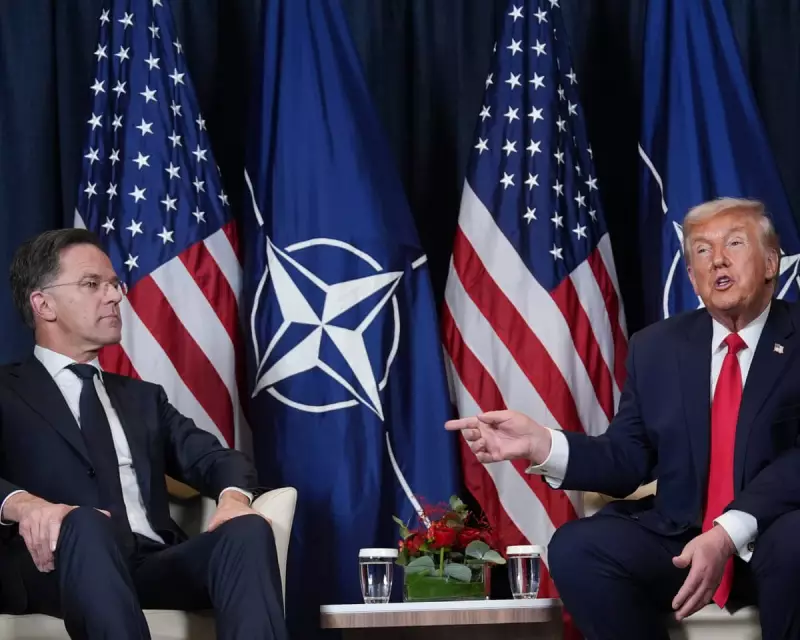
In a striking image from Davos in January 2026, NATO Secretary General Mark Rutte stands alongside US President Donald Trump, capturing a moment that symbolises the complex transatlantic relationship. This visual serves as a backdrop to a deeper geopolitical reality: Trump has mastered the art of turning international affairs into a spectacle designed to command global attention.
The Mechanics of Geopolitical Distraction
Whether threatening to acquire Greenland, imposing tariffs, or making provocative statements about Iran, Trump's primary objective appears to be distraction rather than detailed policy implementation. His approach follows a clear pattern: create dramatic headlines that force European governments into reactive positions, thereby crowding out their capacity for long-term strategic thinking.
This tactic mirrors Steve Bannon's domestic strategy of "flooding the zone" with multiple controversies, ensuring opponents remain perpetually off-balance. In foreign policy terms, this translates to a series of calculated provocations that fragment European attention across different issues – Arctic security concerns Scandinavia, trade disputes impact exporters, while Eastern Europe remains focused on Ukraine.
Greenland as the Perfect Distraction Tool
The Greenland episode exemplifies this strategy perfectly. As a strategically important Arctic territory belonging to a NATO ally, it generated immediate headlines while remaining sufficiently remote from most voters' daily concerns. The resulting anxiety triggered tangible responses, including Denmark's increased military presence and quiet backing from other European states.
Yet the fundamental issue wasn't whether Trump would actually follow through with territorial acquisition, but rather that Europe found itself compelled to respond, becoming supporting actors in a political drama scripted in Washington. Each provocation leaves behind a trail of diplomatic distraction as Trump moves swiftly to the next controversy.
The Underlying Strategic Shift
Behind this theatrical approach lies a coherent strategic vision articulated in Trump's second-term national security strategy. Europe is no longer viewed as an equal partner in a rules-based international order, but rather as a declining liberal bloc that constrains rising nationalist forces. Support from Washington becomes transactional rather than mutual, with preferential treatment promised to ideologically aligned leaders while others face pressure.
In this context, Greenland serves not merely as territory but as a strategic lever – a means to demonstrate who sets the terms of engagement between the US and Europe. The continent's particular vulnerability stems from its fragmented attention, with different nations responding differently to various provocations based on their specific concerns.
Europe's Strategic Vulnerability
The core problem for Europe is straightforward: a continent that is constantly reacting cannot effectively plan for the future. Every Trump-generated crisis feels urgent, creating strategic short-termism that undermines longer-term objectives. This attention capture represents a fundamental vulnerability that Trump consistently exploits.
European responses have varied, with some leaders like Poland's Donald Tusk maintaining focus on EU coordination regarding Ukraine and defence rather than reacting to every provocation. However, the broader pattern reveals a continent struggling to maintain strategic unity in the face of constant distraction.
A Two-Track Response Strategy
Europe requires a dual approach to counter this challenge effectively. Firstly, it must respond to provocations with calm, collective discipline. When a US president questions the territorial integrity of a NATO ally, Europe cannot ignore it, but responses should avoid the emotional, fragmented reactions Trump seeks. Consistency and purpose should characterise European messaging.
Secondly, and more importantly, Europe must invest seriously in developing its own long-term security strategy independent of daily political churn from Washington. This requires accepting an uncomfortable reality: US domestic politics now represents a structural feature of transatlantic relations rather than a temporary disruption.
Building Strategic Independence
The capacity for independent action exists, as demonstrated by reports from former Italian prime ministers Enrico Letta and Mario Draghi. What Europe lacks is not answers but the collective will to implement them consistently. Key priorities must include security autonomy and geo-economic resilience that can withstand transactional approaches from Washington.
The fundamental lesson from Trump's second term isn't that global politics has become chaotic, but rather that attention itself has emerged as a primary battlefield in international relations. Winning attention wars requires not faster reactions but clearer priorities about what deserves focus.
Europe doesn't need to outperform Trump on social media or in headline generation. Instead, it needs to outplan him through sustained strategic thinking and coordinated action. The alternative is perpetual reactivity in a geopolitical landscape where attention has become the ultimate strategic currency.