Trump's Evolving Iran War Objectives: A Detailed Analysis
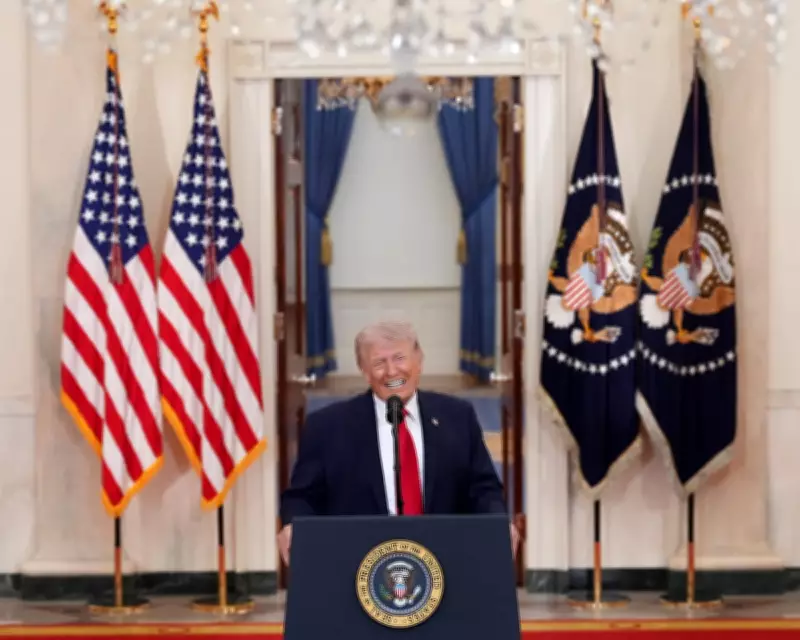
In a national address on Wednesday, Donald Trump asserted that the United States would "very shortly" achieve its strategic objectives in Iran. However, this declaration comes amid constant adjustments to White House goals since the conflict began on February 28. The president's shifting aims reveal a complex and often ambiguous military campaign with outcomes that are far from clear-cut.
Missile and Drone Threat Reduction
Initially, Trump promised in an eight-minute video on February 28 to "destroy their missiles and raze their missile industry to the ground." Before the war, Iran was estimated to possess approximately 2,500 high-speed ballistic missiles, making their elimination a priority for both the US and Israel.
Reports indicate that Iran's missile launch rates have decreased by about 90%, with long-term manufacturing capacity significantly degraded. Yet, Tehran retains a modest but persistent ability to strike Israel and Gulf states, causing ongoing fear, damage, and casualties. Since the fourth day of the war, Iran has launched between seven and 19 waves of attacks daily on Israel, according to the Israeli Institute for National Security Studies. The United Arab Emirates, the most heavily targeted Gulf state, reported engaging 26 drones and 19 missiles from Iran on Thursday.
Sources informed Reuters last week that the US could only confirm the destruction of about one-third of Iran's missile arsenal. Trump's recent statement that the US is "hurting their ... missile programme at levels never seen before" and that launches have been "dramatically curtailed" marks a notable softening from his initial aggressive stance.
Nuclear Weapons Prevention
At the war's outset, Trump vowed to "ensure that Iran does not obtain a nuclear weapon." At that time, Iran held a stockpile of 440kg of 60% enriched uranium, sufficient for up to 10 bombs if upgraded to 90%. However, western intelligence agencies and independent experts did not believe Iran had the capability to build a single bomb, especially after last June's bombing of nuclear sites by Israel and the US during a 12-day conflict.
Over the past five weeks, a range of Iranian nuclear sites have been further targeted, making bomb construction inconceivable. Nonetheless, the nuclear material remains, likely stored at a site in Isfahan. Trump declared on Wednesday that he "didn't care" about this because it was "so far underground" and monitored by satellite, suggesting a shift in focus away from complete material elimination.
Naval and Air Force Destruction
Trump pledged to "annihilate their navy" at the start of the war, with US Secretary of State Marco Rubio later adding the destruction of Iran's air force to the objectives. These goals have been broadly achieved, according to Trump, who stated on Wednesday that both forces had been eliminated. By the end of March, the White House claimed 150 Iranian vessels were destroyed, though details on the air force are less clear, with the US and Israel maintaining air superiority since day one.
However, asymmetric threats persist, as Iran can still close the Strait of Hormuz through periodic drone attacks and retains mining capabilities. Trump attempted to distance himself from this issue, stating it was up to other countries to "take the lead" in reopening the strait, leading to an 8% rise in Brent crude oil prices.
Demilitarization of Pro-Iran Proxies
The initial commitment was to ensure that "terrorist proxies" like Hezbollah in Lebanon, the Houthis in Yemen, and groups in Iraq could no longer destabilize the region or attack US forces. Conflicts involving all these entities continue, with Israel invading southern Lebanon to clear out Hezbollah, though rocket fire into Israel persists. The Houthis have conducted three missile attacks into Israel and threaten to close the Red Sea, while drone attacks on western bases in Erbil, northern Iraq, occur nightly.
Trump has modified this objective, now aiming to "crush their ability to support terrorist proxies," focusing on preventing Iran from aiding its regional allies rather than fully demilitarizing them.
Regime Change Ambitions
Initially, Trump hinted at regime change, telling the Iranian people on February 28 that "the hour of your freedom is at hand," though he advised protesters to wait for bombing to cease. No popular uprising followed the killing of Supreme Leader Ali Khamenei on the war's first day, with his son Mojtaba installed as successor, demonstrating regime endurance.
Trump and allies have backed away from this goal, though the president argued on Wednesday that "regime change has occurred" due to Khamenei's death, despite minimal immediate impact. The medium to long-term stability of the new leadership under Mojtaba Khamenei and the Revolutionary Guards remains uncertain, with Iran potentially isolated and weakened if bombing stops, akin to the Assad regime after the Syrian civil war's early phase.
Conclusion: A War Without Clear Direction?
Trump's evolving Iran war aims highlight a campaign marked by shifting priorities and ambiguous outcomes. While some objectives, like degrading missile capabilities and neutralizing naval forces, have seen progress, others, such as complete proxy demilitarization and regime change, remain elusive. The president's latest speech underscores the challenges of achieving strategic clarity in a complex conflict, leaving many to question what exactly the US aims to accomplish in the region.