Trump Escalates Threats Against Iranian Infrastructure
US President Donald Trump issued a stark warning late Thursday, threatening to strike and destroy bridges and electric power plants across Iran. In a social media post, Trump declared that the US military "hasn't even started destroying what's left in Iran" and specifically mentioned targeting bridges followed by electric power plants. The president's message included an urgent demand for Iranian leadership to act "FAST" on unspecified requirements.
Recent Attacks and International Response
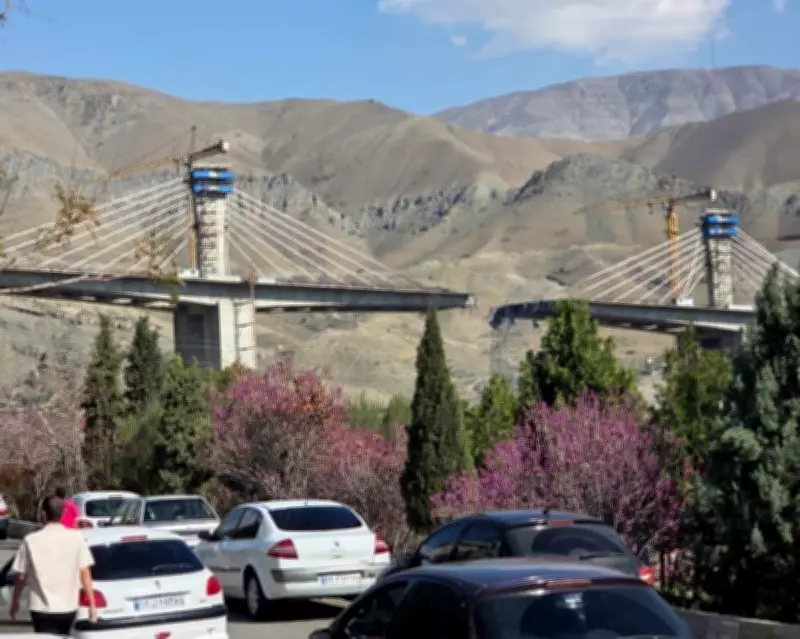
Trump shared footage on his Truth Social platform showing a bridge strike near Tehran that reportedly killed at least eight people. The post appeared to take US responsibility for the attack while warning there was "much more to follow." Iranian state television confirmed that strikes hit the B1 bridge between Karaj and Tehran on Thursday, marking the second attack on the same structure within approximately one hour.
The United Nations Security Council has postponed a scheduled Friday vote on authorizing defensive force to protect shipping in the Strait of Hormuz from Iranian attacks. Despite the holiday explanation provided by diplomatic sources, the delay comes as tensions escalate in the critical waterway.
Global Diplomatic Maneuvering
French President Emmanuel Macron criticized Trump for undermining NATO by creating "daily doubt about his commitment" to the alliance. Macron emphasized the need for consistency in international leadership, stating that serious diplomacy requires avoiding contradictory statements.
Meanwhile, UK Foreign Secretary Yvette Cooper convened a virtual meeting of more than 40 countries to discuss the Strait of Hormuz crisis. Representatives from every continent explored potential measures to increase pressure on Iran to reopen the vital shipping lane.
Military and Economic Developments
US Army Chief of Staff Randy George is stepping down from his position after Defense Secretary Pete Hegseth reportedly requested his immediate retirement. The Pentagon confirmed George's departure on Thursday.
Iran is reportedly drafting a protocol with Oman to establish a new navigation regime for monitoring traffic through the Strait of Hormuz. Deputy Foreign Minister Kazem Gharibabadi indicated that Iran has nearly completed this draft protocol, which would create formal monitoring procedures for the strategic waterway.
Warnings of Wider Conflict
UN Secretary General António Guterres issued a grave warning about the escalating Middle East conflict, stating that the region stands "on the edge of a wider war that would engulf the Middle East with dramatic impacts around the globe." He called for an immediate halt to US-Israeli strikes on Iran and Iranian attacks on neighboring countries.
Financial markets showed muted reactions on Thursday as investors assessed indications that energy shipping through the Strait of Hormuz might be restored. Britain noted that approximately 40 countries are discussing joint action to reopen the strait and prevent Iran from holding "the global economy hostage."
Regional and International Positions
Israeli Defense Minister Israel Katz warned Hezbollah chief Naim Qassem that he would pay an "extraordinarily heavy price" for escalating attacks during Jewish holidays. Katz specifically referenced intensified rocket fire directed at Israeli citizens celebrating Passover Seder.
Germany and China jointly expressed their desire to restore freedom of navigation in the Strait of Hormuz, agreeing that individual states must not control sea lanes or levy tolls for passage. The German foreign ministry suggested that China could use its influence on Iran to facilitate a negotiated solution and end hostilities against Gulf states.
Lebanese Prime Minister Nawaf Salam acknowledged there was no end in sight to the conflict that has killed hundreds and displaced approximately one million people. As Lebanon marks one month since being drawn into the Middle East war, Salam committed to "employing all available means to stop the war" against Iran-backed Hezbollah militants along the southern border.
Humanitarian and Infrastructure Damage
The Philippines reported that Iran has pledged to allow safe passage of oil shipments through the Strait of Hormuz following a "productive phone conversation" between Philippine Foreign Secretary Theresa Lazaro and Iranian counterpart Abbas Araghchi.
Strikes in Iran have caused extensive damage to the century-old Pasteur Institute in Tehran, according to health ministry spokesperson Hossein Kermanpour. He described the attack as "a direct assault on international health security" and shared images showing severe structural damage to the historic medical research facility.