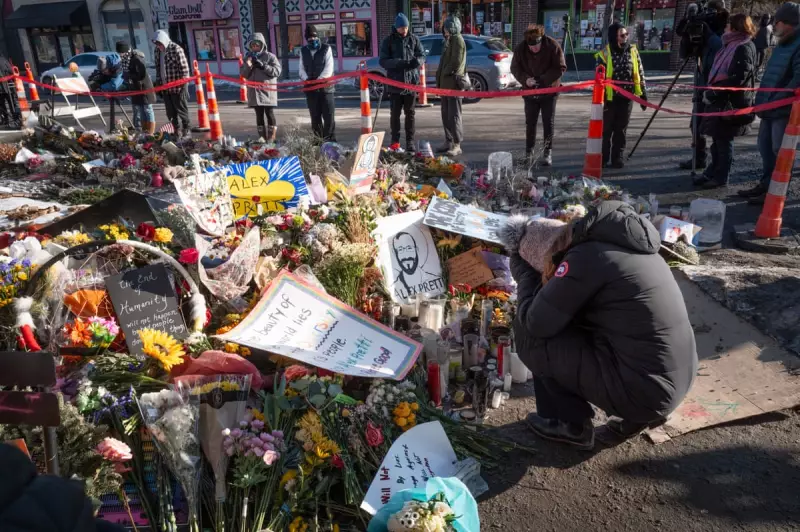
The tragic events in Minneapolis have left two protesters dead following confrontations with Immigration and Customs Enforcement agents, sparking widespread public outrage and intense political scrutiny. As mourners gathered at memorials for Alex Pretti and Renee Good, questions about accountability and political responsibility have dominated national discourse.
Political Responsibility for Lethal Force Incidents
While President Donald Trump did not personally fire the shots that killed Renee Good and Alex Pretti during deportation raid protests, mounting evidence suggests he bears significant political responsibility for creating an environment where such lethal force incidents could occur. The administration's consistent pattern of defending ICE agents' actions before proper investigations have concluded has raised serious concerns about accountability and oversight.
Examining the Minneapolis Shootings
Video evidence from the Minneapolis incidents reveals troubling details about both fatal encounters. Renee Good was shot while attempting to turn her vehicle away from agents, while Alex Pretti was killed while restrained on the ground by multiple officers. Neither individual appeared to pose any immediate threat to agents or bystanders according to available footage, making the use of lethal force particularly questionable.
The Trump administration's response to these killings has followed a concerning pattern. Senior officials including Deputy National Security Adviser Stephen Miller and Homeland Security Secretary Kristi Noem quickly labeled Pretti a "domestic terrorist" despite video evidence contradicting this characterization. This rush to judgment occurred without waiting for proper investigations, setting a dangerous precedent for how such incidents are handled.
Systemic Issues in Enforcement Culture
Since July, ICE agents have discharged their weapons on sixteen separate occasions during detention operations or protests. In each instance, Trump administration officials have declared the agents' actions justified before investigations could be completed, sometimes directly contradicting video evidence. This systematic defense of potentially excessive force has created what critics describe as a culture of impunity within immigration enforcement agencies.
The administration's handling of investigations into these incidents has raised additional concerns. Rather than initiating criminal investigations into whether Pretti was murdered, officials have opted for less rigorous "use of force" reviews. Similarly, an FBI supervisor in Minneapolis reportedly resigned after being pressured to discontinue an inquiry into Good's killing, suggesting institutional resistance to proper oversight.
Broader Implications for Protest Rights
The Minneapolis shootings have highlighted broader concerns about protest rights and government accountability. Both Pretti and Good were engaged in constitutionally protected protest activities when they were killed, with Pretti lawfully carrying a firearm that remained holstered throughout the encounter. The primary "weapon" that appeared to concern agents in both cases was actually mobile phone cameras being used to document enforcement actions.
Political Fallout and Public Response
Public reaction to the Minneapolis shootings has been overwhelmingly negative, with growing calls for accountability and reform. Even some of Trump's traditional supporters have expressed outrage at the suggestion that lawful gun ownership or peaceful protest participation could justify lethal force by federal agents. The administration's damage control efforts, including the removal of Border Patrol Commander Gregory Bovino from Minneapolis operations, have done little to quell public anger.
Trump's initial response to the killings focused on blaming Democrats for creating "chaos" rather than addressing the agents' actions. However, detailed reporting from multiple sources indicates that federal agents themselves escalated situations unnecessarily, using pepper spray at close range and giving confusing directives that increased tensions rather than de-escalating them.
Looking Forward: Accountability and Reform
The Minneapolis incidents represent a critical test for American democracy and law enforcement accountability. As public opinion continues to shift against what many perceive as increasingly authoritarian enforcement tactics, pressure mounts for substantive changes in how immigration enforcement operates. The administration's plummeting poll numbers suggest that most Americans reject the notion that federal agents should operate with impunity, even in politically charged environments.
Ultimately, the safety of city dwellers across the United States may depend on whether political leaders can rein in enforcement excesses and restore proper oversight mechanisms. The coming months will reveal whether public outrage translates into meaningful policy changes or whether the current patterns of defense and denial will continue to characterize the administration's approach to enforcement-related violence.