Major Security Operation Nets Dozens of Suspects
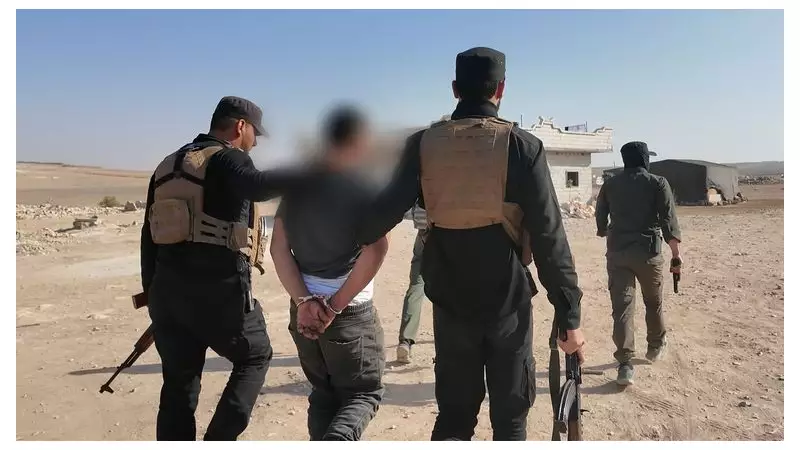
Syrian security forces have conducted a significant nationwide clampdown, resulting in the arrest of 71 individuals during a series of 61 coordinated raids. The operations, which took place on Sunday, 9 November 2025, were specifically aimed at dismantling active Islamic State cells operating within the country.
Authorities confirmed the seizure of a substantial cache of explosives and weapons during the raids. The Syrian interior ministry stated that the operations were launched based on what they described as "precise" intelligence information, allowing them to act pre-emptively against the terrorist network.
Intelligence Points to Planned Attacks
According to reports from the Syrian Arab News Agency, officials had intercepted information suggesting that Islamic State was in the advanced stages of planning new attacks. This intelligence prompted the swift and decisive action from security forces.

Interior ministry spokesman Nour al Din al Baba provided context to the al Ekhbariya network, stating: "The current major threat lies in IS' attempts to reconstitute itself and recruit new members, particularly among the youth." He further revealed that many of those detained were already wanted criminals, with forces obtaining evidence that directly linked them to terrorist activities.
A formal government statement elaborated that this security sweep forms part of "ongoing national efforts to combat terrorism and confront plots targeting the country's security and citizens".
Diplomatic Shifts and International Cooperation
The security crackdown coincides with a pivotal moment in Syria's international relations. Syrian President Ahmed al Sharaa is travelling to Washington for a meeting with former US President Donald Trump, where he is expected to formally join a coalition against Islamic State.
In a significant development, both the UK and US removed sanctions against President al Sharaa on the preceding Friday. The US State Department justified this move as being "in recognition of the progress demonstrated by the Syrian leadership", specifically citing work to counter narcotics and eliminate chemical weapons.
This marks a dramatic shift for al Sharaa, who had faced a travel ban, asset freeze, and an arms embargo for well over a decade due to his previous affiliations with al Qaeda.
Meanwhile, preparations are underway for the United States to establish a military presence in Damascus. This move is intended to enable a security pact that is currently being brokered between Syria and Israel.
This series of events occurs against the backdrop of substantial political change in Syria. The long-standing regime of former president Bashar al Assad was ousted late last year after 25 years in power, with Assad subsequently fleeing to Russia. Since then, President al Sharaa's transitional administration has been focused on restoring national security, introducing economic reforms, and strengthening cooperation with international partners.