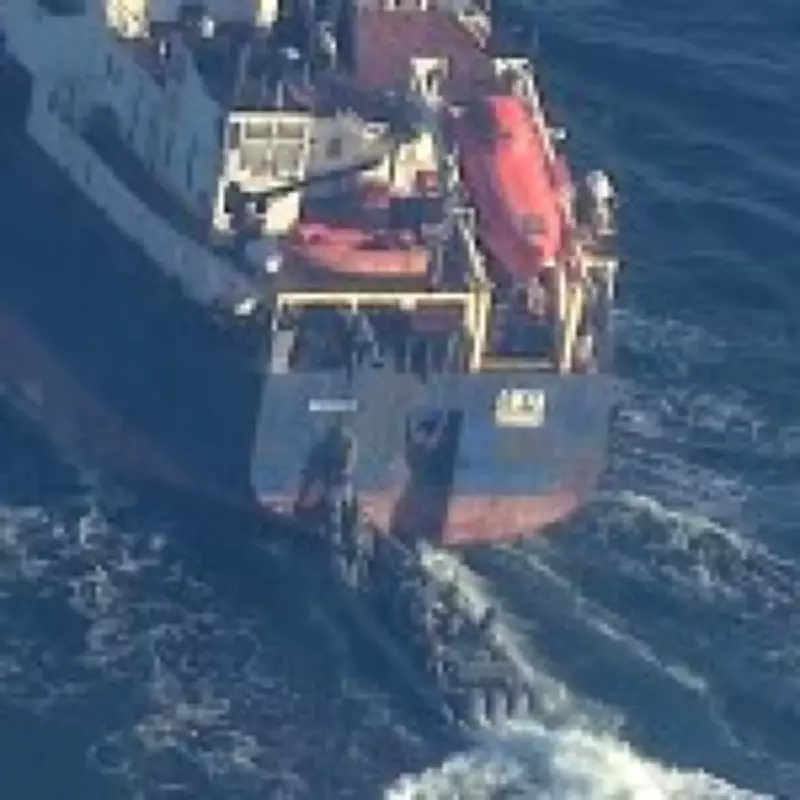
Swedish Coastguard Intercepts Ship in Baltic Sea Amid Shadow Fleet Concerns
In a significant maritime operation, the Swedish Coastguard has boarded a cargo vessel in the Baltic Sea that is feared to be part of Russia's so-called 'shadow fleet.' The ship, identified as the Caffa, was intercepted in Swedish territorial waters on Friday, with authorities raising alarms over its potential involvement in transporting stolen Ukrainian grain.
Details of the Boarding and Investigation
During a news conference, Swedish officials disclosed that the crew of the Caffa is predominantly Russian, and the vessel is listed on Ukraine's sanctions registry. Notably, the ship was allegedly sailing under a false Guinean flag at the time of the boarding, a tactic often used to evade international scrutiny. Swedish authorities conducted searches and interviews as part of their investigation, though specific details about the ship and its crew remain limited.
A criminal investigation is underway, focusing on concerns about the vessel's seaworthiness and compliance with maritime regulations. This incident underscores Sweden's proactive stance in tightening controls on foreign ships, particularly those suspected of aiding Russia's circumvention of sanctions.
Background on Russia's Shadow Fleet
The shadow fleet comprises aging tankers, typically around 18 years old, which are near the end of their operational lifespan and prone to accidents if poorly maintained. These vessels are often purchased by opaque entities based in non-sanctioning countries like the United Arab Emirates or the Marshall Islands, and registered under flags from nations such as Gabon or the Cook Islands.
Their primary role is to help Russian oil exporters bypass the $60 per barrel price cap imposed by Ukraine's allies, with estimates suggesting over 400 ships are involved in transporting oil and related products. While some vessels, like those owned by the Russian state shipping company Sovcomflot, have clear ties to Russia, others operate with ambiguous ownership and questionable safety practices.
Sweden's Enhanced Maritime Controls
In response to the growing threat posed by the shadow fleet, Sweden implemented stricter measures last year, tasking the Coastguard and Swedish Maritime Administration with collecting insurance information from all foreign ships entering its territorial waters and exclusive economic zone. This move aims to curb the use of these aging vessels for illicit activities, including the transport of stolen resources.
Authorities have not yet confirmed whether the Caffa is definitively part of the shadow fleet, but the incident highlights ongoing challenges in maritime security and enforcement. The Kremlin has avoided commenting on the shadow fleet, maintaining a stance of non-engagement on the issue.
This boarding operation marks a critical step in international efforts to disrupt Russia's evasion of sanctions and protect global maritime safety, as concerns mount over the environmental and economic impacts of these clandestine operations.