Inside Bombed-Out Beirut: Where Hezbollah Enforces the Rules
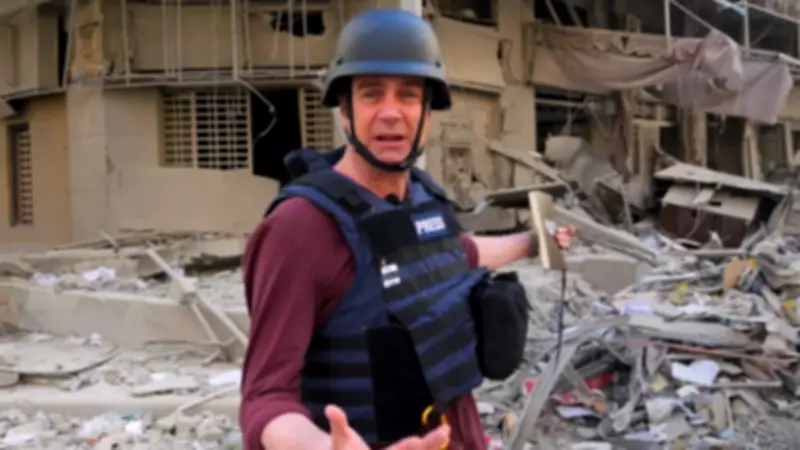
Sky News has managed to record the extensive destruction in Dahiyeh, but only with the explicit permission of the Islamist militants who control this part of the Lebanese capital. International correspondent John Sparks reported from the ground on Friday, March 6, 2026, as the city faced relentless Israeli strikes.
A Dangerous and Inaccessible Warzone
Beirut's southern suburbs have been subjected to waves of airstrikes by the Israeli military, yet it has been virtually impossible to document the damage they cause. The area known as Dahiyeh, which consists of four densely populated districts adjoining the city centre, is simply too dangerous to access. The sound of Israeli drones and fighter jets are a constant presence in the sky, and plumes of smoke rise above this part of the city.
We decided to make a trip to one of several large intersections that serve as gateways into Dahiyeh and informed representatives of Hezbollah, who effectively control this part of the city, that we planned to make a brief visit. It presented an opportunity to assess the mood in a place being bombarded from the air, if not an opportunity to document the consequences fully.

Two Minutes of Filming in the 'Red Line'
On arrival, a local Hezbollah member wearing a full balaclava offered to take us to the nearest bomb site. He jumped on his moped and drove down the so-called 'red line', which effectively divides the city from the 'no-go zone' declared by the Israel Defense Forces. We stopped in front of a vast city block that had been rearranged and largely destroyed by Israeli explosives.
"We've got two minutes, two minutes to film," said our local producer as we jumped out of our van and into the dust and acrid smoke blanketing the area. With only a few minutes to film, our camera operator let his camera roll, capturing the devastation firsthand.
Hezbollah's Control and Enforcement
The IDF says it is targeting "executive council command centres" and "weapons storage depots" in Beirut's southern suburbs, but Hezbollah told us the bomb site we visited was a popular local market. On our return to the busy intersection, we found our pathway had been blocked by another group of Hezbollah members who seemed unaware of our presence and suspicious of our activities.
They placed their motorcycles around our van in case we were minded to flee. Hezbollah makes the rules in this part of Beirut, and there is a countless number of men who seem ready to enforce them. As our identities were checked and our journalistic intentions interrogated, a loud bang or blast occurred not far from our vehicle, serving as a stark reminder that we were operating at the edge of the warzone.
A Tense Exit Under Fire
After a tortuous few minutes, Hezbollah allowed us to leave, and our driver steered the vehicle into the intersection. As we edged our way through, the black-clad militiamen pointed their rifles in the air and fired off a few rounds, a warning to all to clear the area. This experience underscores the perilous conditions and militant dominance in southern Beirut, where access and reporting are tightly controlled by Hezbollah amidst ongoing conflict.