
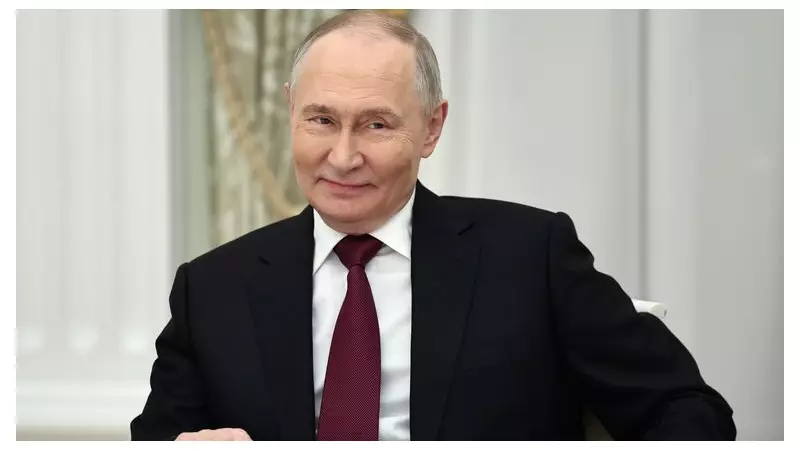
Europe's latest round of sanctions against Russia, including those announced by the UK, carry a profound sense of impotent futility, failing to alter Vladimir Putin's belligerent course as the war in Ukraine grinds towards a fourth year.
A Fourth Year of War Under New Rules
The world is now operating under a starkly different set of rules, but European leaders have yet to fully grasp the new reality. The much-vaunted 'rules-based international order' is disintegrating. America, its long-time guardian, has effectively deserted it, increasingly aligning itself with Moscow's interests under the Trump administration.
This week, the Russian president appeared more confrontational than ever, warning that while Russia does not seek war, it is fully prepared if Europe initiates one. His confidence stems from a shifting geopolitical landscape and tangible gains on the battlefield in Ukraine.
The Funding Crisis and a Reluctant Europe
Kyiv's situation grows increasingly desperate. Ukraine requires in excess of one hundred billion dollars annually to sustain its defence against Russia's slow but steady advance. However, the financial tap from the United States has been turned off. Washington now acts primarily as an arms dealer, selling weapons to Ukraine via European intermediaries.
In response, European governments are embroiled in protracted disputes over how to utilise frozen Russian state assets to bridge the funding gap. Crucially, there is no indication that European capitals are prepared to ask their own taxpayers to shoulder the immense financial burden directly.
The alternative—deploying Western troops to Ukraine—remains firmly off the table. This leaves a policy reliant solely on rhetoric and sanctions, a strategy showing diminishing returns.
Moral Condemnation Versus Material Support
The release of the Dawn Sturgess public inquiry report has triggered fresh condemnation. Prime Minister Sir Keir Starmer has spoken of the "Kremlin's disregard for innocent lives," and the inquiry holds Putin "morally responsible" for the 2018 Salisbury novichok poisoning that led to Sturgess's death.
Yet, without the material financial support to match this strong language, such statements risk being dismissed as mere posturing. As one analyst noted, substituting tangible aid for sanctions and words eventually becomes worse than pointless; it encourages Kyiv to fight on under a potentially fatal misapprehension that Europe fully supports it.
A Transatlantic Rift and Putin's Victory
For nearly a year, European governments have been in a state of denial, likened to a spurned partner hoping to win back affection. The burgeoning political and economic rapport between Donald Trump and Vladimir Putin is now conducted openly. The Trump administration is captivated by the promise of renewed trade and lucrative business deals with Moscow, seemingly undeterred by the Kremlin's aggressive actions.
America's priority is no longer supporting Europe or Ukraine as allies, but profiting from arms sales to the conflict. The moment of reckoning for European leadership is fast approaching. The continent must decide whether its commitments are built on solid financial foundations or empty rhetoric, as Putin continues his grinding advance, warning of fighting "to the last Ukrainian."




