Major Assault on Ukraine's Power Grid
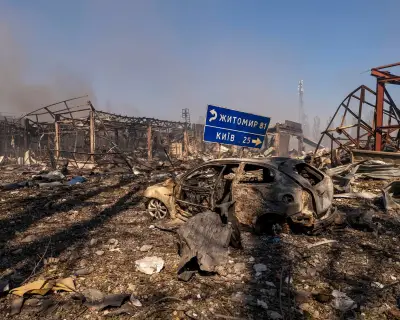
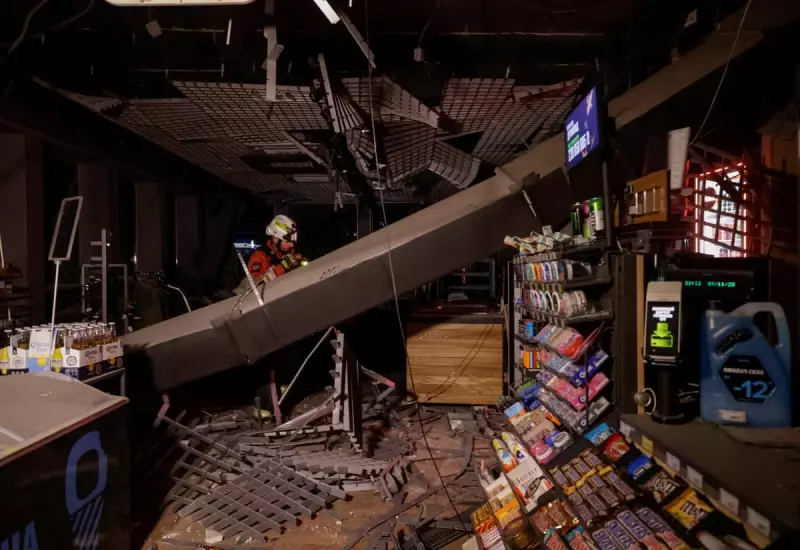
Ukrainian energy minister Svitlana Grynchuk confirmed a large-scale Russian attack on the country's energy infrastructure early on Saturday, leading to emergency power cuts across most regions. The assault triggered significant disruption, with officials stating that normal service would only resume once the energy system had stabilised.
Regional Impact and Military Developments
In the southern Odesa region, governor Oleg Kiper reported that drones struck an energy facility late on Friday evening. Fortunately, there were no immediate reports of casualties from this attack. Meanwhile, President Volodymyr Zelenskyy revealed that Russian forces are massing troops near the north-eastern city of Vovchansk in the Kharkiv region.
Zelenskyy suggested that Moscow's intensified assault on the eastern city of Pokrovsk was strategically timed to demonstrate battlefield success to US President Donald Trump. Analysis from the Institute for the Study of War indicated that Russian troops had made marginal advances near the largely destroyed city, potentially aiming to bring Kharkiv city within range of tube artillery.

In a separate incident, Ukrainian army units reported that Russian soldiers who filmed themselves raising a flag in Vovchansk were quickly neutralised by Ukrainian drones.
International Responses and Economic Fallout
On the diplomatic front, the Kremlin was forced to deny persistent rumours about Foreign Minister Sergei Lavrov falling out of favour with Vladimir Putin. This followed Lavrov's unusual absence from a significant Kremlin meeting and his replacement for an upcoming G20 summit.
The United States granted Hungary a one-year exemption from sanctions targeting Russian oil and gas, coinciding with Hungarian Prime Minister Viktor Orbán's visit to Donald Trump. A White House official noted Hungary's commitment to purchasing US liquefied natural gas through contracts valued at approximately $600 million.
The European Union has tightened visa regulations for Russian nationals, now requiring most to apply for a new visa for each entry. This measure aims to allow closer scrutiny of applicants to mitigate potential security risks, following numerous acts of sabotage traced to Russian operatives across Europe.
Ukraine's Naftogaz announced plans to import at least 300 million cubic metres of US liquid natural gas through an agreement with Poland's Orlen to help stabilise the upcoming heating season. Energy Minister Grynchuk affirmed that "despite the enemy's plans, Ukraine will have light and heat this winter."
Meanwhile, economic pressures are mounting within Russia. The sanctioned tank manufacturer Uralvagonzavod confirmed restructuring plans including potential job cuts of up to 10%, while other major Russian industrial companies are implementing furloughs and layoffs as the war economy slows and exports decline.
In a concerning development, Kyiv's foreign minister Andriy Sybiha stated that more than 1,400 citizens from three dozen African countries are fighting alongside Russian forces in Ukraine, describing their contracts as "equivalent to a death sentence." South Africa has launched an investigation after 17 of its citizens joined mercenary forces and sent distress calls requesting help to return home.
President Zelenskyy has appointed Yuri Cherevashenko as the new commander for drone air defences, tasking him with improving Ukraine's interceptor drone capabilities as part of creating a "layered system" of defence, according to top commander General Oleksandr Syrskyi.