European Intelligence Agencies Report Russia Nearing Drone Shipment to Iran
European intelligence agencies have uncovered evidence that Russia is in the final stages of preparing to supply drones to Iran for use in its ongoing conflict with the United States and Israel. According to a senior European official speaking on condition of anonymity, this development represents a significant escalation in regional tensions.
Details of the Alleged Shipment
The official confirmed reports from the Financial Times, which cited western intelligence findings indicating Russia is close to completing a phased shipment that includes drones, medicine, and food to Iran. While the scale of the deliveries remains undisclosed, discussions between Iranian and Russian officials reportedly began secretly shortly after Israel and the US attacked Tehran in late February.
Drone deliveries could potentially be finalized by the middle of next week, according to intelligence briefings. This would mark the first instance of lethal support from Russia to Iran since the outbreak of the war, building upon existing intelligence-sharing arrangements that have allegedly helped Tehran target US forces in the region.
Russian and Iranian Responses
Kremlin spokesperson Dmitry Peskov responded to the allegations by stating, "There are a lot of fakes going around right now. One thing is true – we are continuing our dialogue with the Iranian leadership." This comes amid growing diplomatic and military cooperation between the two nations, including a strategic partnership agreement signed last year and previous shipments of over 13 tonnes of medicine to Iran through Azerbaijan.
Regional and Global Implications
The potential drone shipments could dramatically expand and escalate what has been described as an open-ended war launched by the US and Israel. This conflict has faced criticism from various quarters, including some of Washington's allies, for being illegal, having ill-defined objectives, and creating geopolitical and economic chaos.
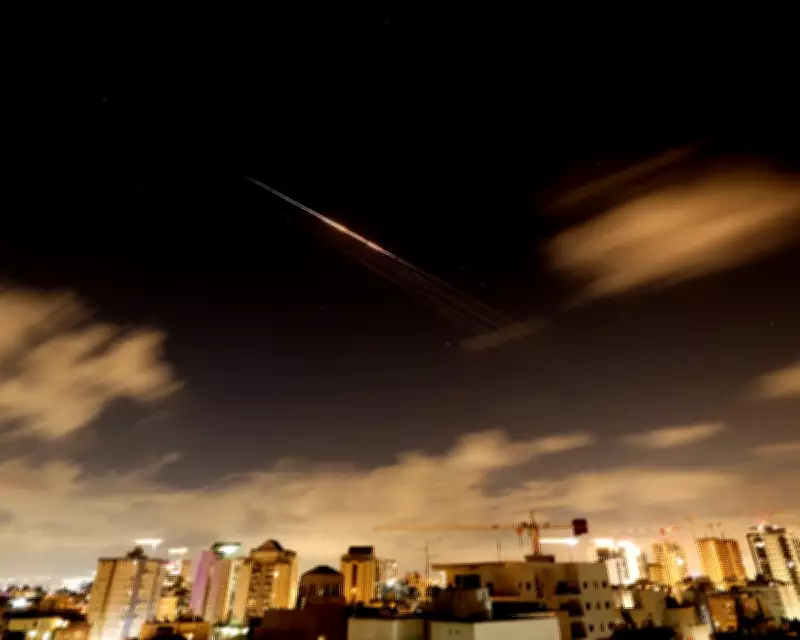
Iran's deployment of Shahed drones – similar to those Russia has been producing for use in Ukraine based on Iranian designs – has already brought terror to Ukrainian skies and is now being deployed across the Middle East. Tehran's response to attacks has included firing thousands of relatively inexpensive attack drones across the Gulf, striking sites in multiple countries including Kuwait, Qatar, Bahrain, Saudi Arabia, Oman, Iraq, and the United Arab Emirates.
International Diplomatic Reactions
European foreign ministers raised concerns about Russia's involvement during a G7 meeting in France with US Secretary of State Marco Rubio. German Foreign Minister Johann Wadephul accused Russia of assisting Iran in identifying potential strike targets, suggesting President Vladimir Putin hopes to use the Middle East conflict as a distraction from his war in Ukraine.
"Putin cynically hopes that the escalation in the Middle East will divert our attention from his crimes in Ukraine," Wadephul told reporters. "This calculation must not succeed. We see very clearly how closely the two conflicts are intertwined. Russia is evidently supporting Iran with information about potential targets."
British Foreign Minister Yvette Cooper expressed deep concern about the longstanding links between Russia and Iran regarding shared capabilities, particularly drones. The growing cooperation between Moscow and Tehran threatens to further destabilize an already volatile region while potentially angering other Middle Eastern nations affected by Iranian drone attacks.