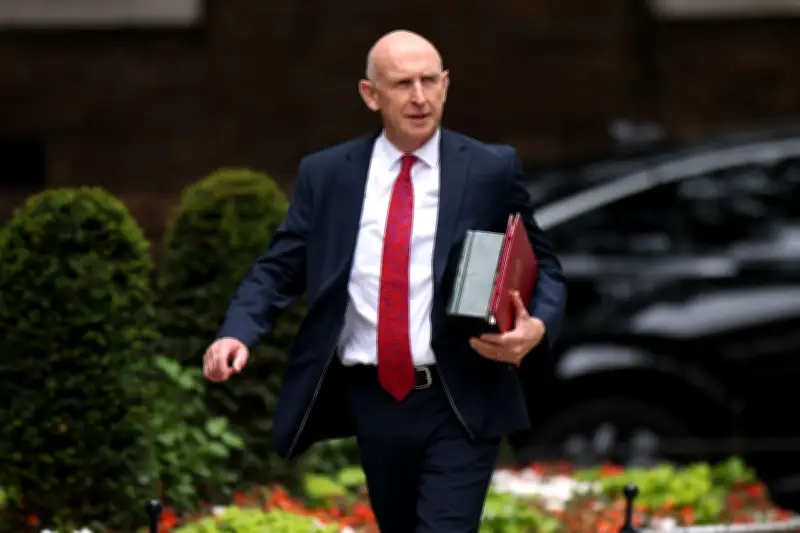
City heavyweights have outlined their demands for new Chancellor John Healey, urging him to prioritize the competitiveness of UK financial services, provide tax stability, and implement post-Brexit reforms in his first budget.
Key demands from financial leaders
According to a letter coordinated by TheCityUK, the financial and professional services industry body, 13 leading figures from banking, insurance, and asset management called on Healey to deliver a "pro-competitive" regulatory framework. The letter, sent ahead of the Chancellor's first budget expected in March, stresses the need for the UK to maintain its status as a global financial hub.
"The new government has an opportunity to reset the relationship with the financial services sector," said Miles Celic, chief executive of TheCityUK. "We need a clear strategy that supports growth, innovation, and competitiveness."

Specific policy requests
The demands include a review of the UK's solvency rules for insurers, known as Solvency II, to unlock capital for investment. The group also called for reforms to the listing regime to attract more companies to London's stock market, and for the government to provide certainty on the future of the UK's tax regime for non-domiciled residents.
Other requests involve improving the visa system for skilled workers, boosting trade in services through new trade deals, and ensuring that the UK's regulatory framework is agile and proportionate. The letter also highlights the importance of maintaining the UK's leadership in green finance.
Impact on the economy
The financial services sector contributes over £100 billion in tax revenue annually and employs more than 2.3 million people across the UK. Industry leaders warn that any missteps in policy could drive business to other financial centers like New York, Singapore, or the EU.
"The City is a national asset," said a spokesperson for a major investment bank. "We need a Chancellor who understands that and will work with us to keep the UK competitive."
The letter comes as Healey prepares to deliver his first fiscal event, with speculation that he may raise taxes on banks and increase the bank surcharge. Industry leaders argue that such moves would be counterproductive.