Chancellor Signals Tough Choices Ahead for Defence Funding
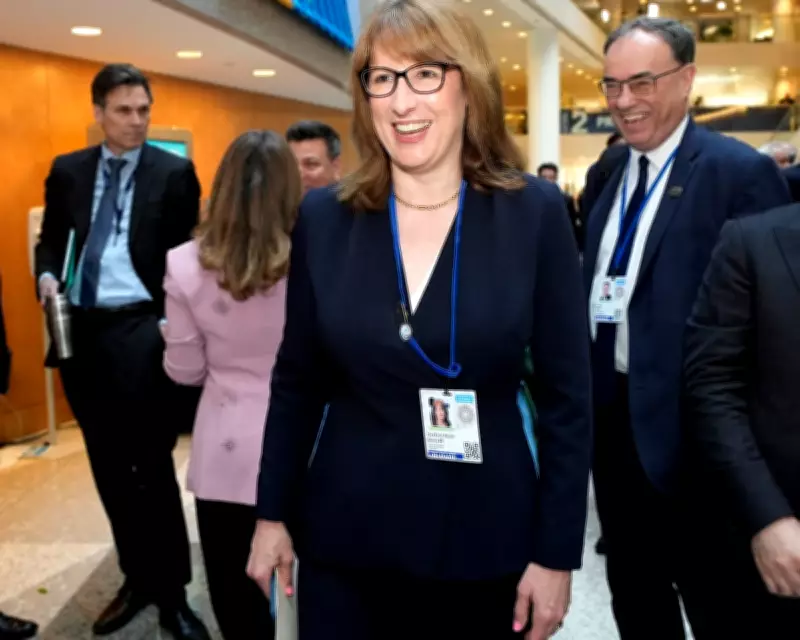
Chancellor Rachel Reeves has issued a stark warning that increasing defence spending may necessitate significant cuts to other government budgets, including welfare programs. Speaking at the International Monetary Fund conference in Washington DC, Reeves emphasized that difficult decisions are unavoidable as the UK faces mounting pressure to bolster its military capabilities amid escalating global conflicts.
No New Taxes or Borrowing, Says Chancellor
Reeves firmly ruled out raising taxes or increasing government borrowing to fund defence enhancements. "My two budgets have both increased taxes substantially. I would prefer not to have to do that again," she stated. The chancellor highlighted that the ongoing conflict involving Iran has already driven up government borrowing costs, with debt servicing consuming one pound in every ten of public expenditure.
She elaborated: "We already spend £1 in every £10 on what the government spends on servicing the debt. If we increase that debt further we'd only be increasing how much we would be spending." This stance underscores her commitment to fiscal restraint while addressing national security priorities.
Defence Takes Priority Amid Global Tensions
The chancellor's comments come as the Labour government faces intense pressure from opposition figures and former military leaders to accelerate defence spending increases. Factors driving this urgency include:
- Russia's ongoing war in Ukraine
- Iran-related conflicts in the Middle East
- Donald Trump's threats to withdraw the US from NATO
- Rising geopolitical instability worldwide
Reeves asserted: "National security always comes first, I'll always do the right thing as chancellor for our country." She noted that UK defence spending is projected to reach 2.6% of GDP by next April, exceeding manifesto commitments from both major parties.
Welfare Budget in the Crosshairs
While refusing to specify exact targets for budget reductions, Reeves strongly suggested welfare programs could face cuts. Her position aligns with Health Secretary Wes Streeting, who earlier stated that welfare reductions might be necessary to address "the challenge of the world we face."
The chancellor did confirm Labour's commitment to maintaining the pensions triple lock, stating: "We're not changing that." However, her broader message indicates that most other areas of government spending could be subject to review as ministers work through the 10-year defence investment plan.
Economic Constraints Limit Options
Reeves pointed to significant economic constraints that restrict her fiscal flexibility. The IMF recently warned that further escalation in Middle East conflicts could trigger a global recession, with the UK potentially suffering more than any other G7 nation. The fund also expressed concern about government debt levels approaching post-World War II highs.
The chancellor criticized previous Conservative government approaches to energy support, noting that blanket subsidies during the Ukraine crisis "resulted in higher inflation, higher interest rates, and ultimately higher taxes to repay it." She emphasized that future support measures would need to be funded through budget reprioritization rather than new spending.
Reeves concluded: "I think the best way to help families in Britain and to help businesses as well is to do everything I can to keep prices, costs and interest rates down." This statement reinforces her determination to maintain economic stability while strengthening national defence capabilities through difficult budgetary choices.