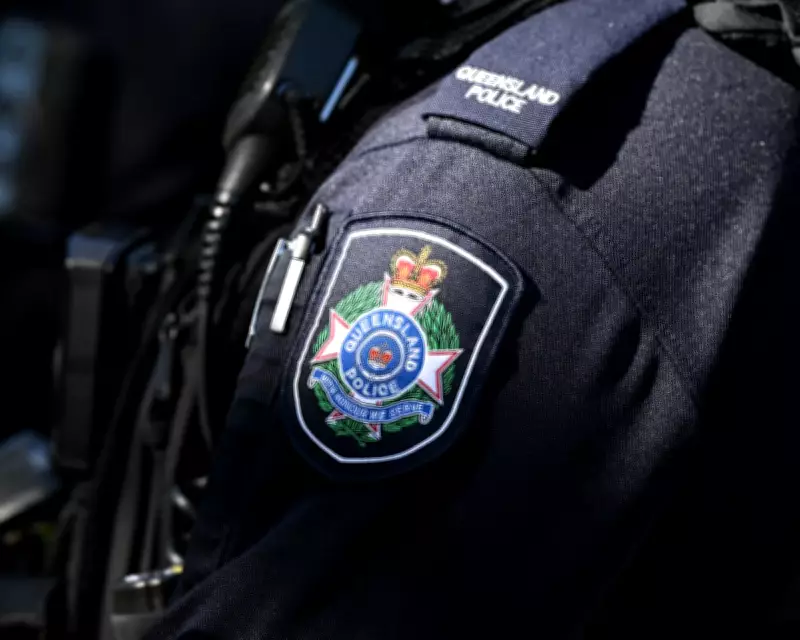
Queensland Police Disbands Specialist Domestic Violence Support Unit
The Queensland Police Service has confirmed it will disband its specialist Domestic and Family Violence and Vulnerable Persons Command Operational Support Unit, redeploying all officers to local districts across the state. This controversial decision follows a comprehensive 100-day organisational review that questioned whether domestic violence case management should be considered 'core' police business.
Frontline Workers Express Safety Concerns
Frontline domestic violence workers have voiced significant alarm about the unit's disbandment, describing it as an invaluable resource that played a critical role in information sharing between agencies and ensuring timely, safe responses to domestic violence incidents. Multiple workers contacted media outlets to express their fears that removing this specialist support would place women at greater risk, particularly those living in regional and remote areas of Queensland.
'Why would QPS reduce such an important DFV resource, in the current climate of community anger at escalating rates of DFV and resulting community harm?' one frontline worker questioned, highlighting the timing of this decision amidst growing public concern about domestic violence rates.
Review Findings and Police Response
The Queensland Police Service states that the decision forms part of broader organisational changes following their 100-day review, which they describe as an evidence-based roadmap to strengthen frontline policing and create a more responsive organisation. According to the QPS, the review identified that domestic and family violence cases were consuming a disproportionate amount of police resources due to their 'perceived primacy' within the service.
In their official statement, the QPS explained: 'This realignment is designed to enhance both the strategic and operational response to domestic and family violence by ensuring resources and expertise are positioned where they can have the greatest impact.' They further claimed that process improvements implemented since a 2022 cultural inquiry had 'addressed many of the issues that previously required centralised oversight.'
Historical Context and Cultural Challenges
This decision comes against a backdrop of significant scrutiny regarding Queensland police handling of domestic violence cases. Last year's Broken Trust investigative series exposed serious concerns about policing failures and attitudes toward domestic violence victims. The 2022 inquiry into cultural issues within the QPS revealed that misogynistic, sexist, and racist attitudes were 'largely unchecked' within the service, inevitably affecting how officers responded to victim survivors.
Despite the QPS claiming that reforms have addressed previous issues, several recommendations from the 2022 inquiry remain unimplemented and overdue, including the establishment of a civilian-led police integrity unit. This context adds weight to concerns expressed by domestic violence support workers about the potential consequences of removing specialised oversight and coordination.
Operational Changes and Future Implications
The disbandment means that positions within the broader Domestic and Family Violence and Vulnerable Persons Command will be redistributed to frontline commands across Queensland. While police leadership maintains this will improve local responses, experts and frontline workers worry it represents a dangerous dilution of specialist expertise at a time when domestic violence rates continue to escalate across the state.
The decision raises fundamental questions about how police services define their 'core business' and whether domestic violence response should be considered peripheral or central to modern policing responsibilities. As Queensland grapples with ongoing domestic violence challenges, the practical effects of this organisational change will be closely monitored by support services, community advocates, and affected families across the state.