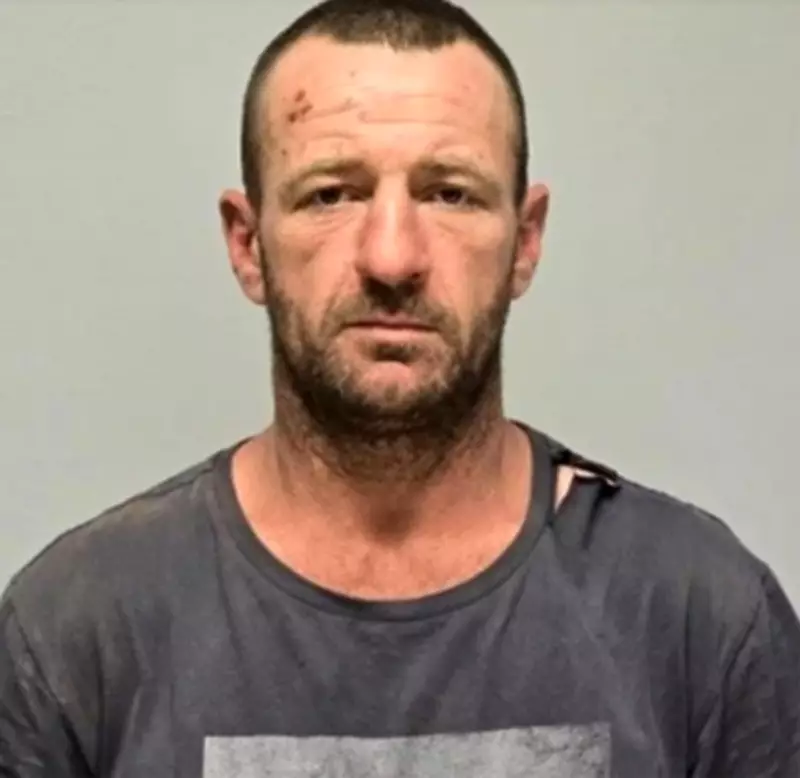
Police authorities are facing intense scrutiny over their decision to grant bail to Julian Ingram, who allegedly assaulted his former partner Sophie Quinn just two months before he is accused of murdering her and two others in a tragic triple homicide.
Bail Decision Under Investigation
The 37-year-old, also known as Julian Pierpoint, is suspected of shooting dead his pregnant former partner Sophie Quinn, her new boyfriend, and her aunt last month in Lake Cargelligo, approximately 450 kilometres west of Sydney. Following the incident, Ingram was reportedly seen leaving the town in a white single-cab Ford Ranger, sparking a large-scale manhunt that continues to this day.
Previous Violent Convictions
Court documents reveal that Ingram had a history of violent behaviour long before the alleged murders. In 2021, shortly before Christmas, he visited a family member and her partner, where after drinking alcohol together, he suddenly became "angry and very aggressive" towards the family member.
According to police facts, when the victim mentioned Christmas plans and presents purchased for children, Ingram unexpectedly became enraged. After the slightly-intoxicated victim made what was described as a "smart reply" following a claim about seeing his own child, Ingram spat on the family member and then grabbed her by the throat.
Ingram later told police, "as I said it was a bit of a family feud, I took it too far." He pleaded guilty to one count of assault and was convicted in early 2022, receiving an 18-month community corrections order and an apprehended violence order that prohibited him from approaching the family member within 12 hours of consuming drugs or alcohol.
Pattern of Domestic Violence Orders
Since 2014, Ingram has had six apprehended violence orders issued against him relating to five different people. This included Sophie Quinn, whom he is now accused of murdering. Court documents show that Quinn had an apprehended domestic violence order taken out against Ingram in December, which was due to be reviewed in court on 3rd February.
Despite this history, police granted Ingram bail on 30th November for domestic violence-related charges. As part of his bail conditions, he was required to report to the Lake Cargelligo police station daily and to abide by the apprehended violence order.
At the time of his bail, Ingram had pleaded not guilty to one count of stalking and harassment with the intention to cause physical harm, one count of common assault, and one count of damaging or destroying property.
Broader Investigation Launched
On Monday, police announced that the alleged "full domestic violence history" of Ingram and his access to firearms would be examined as part of a critical incident investigation to be overseen by the police watchdog. New South Wales police stated this would form part of a broader investigation into how police had handled the investigation into the alleged murders.
"Following inquiries, officers commenced Strike Force Doberta to investigate the incident and issued an arrest warrant for Julian Ingram over the alleged murders," police said in a statement. "As part of these inquiries, police have declared a critical incident investigation to ensure all actions and investigations of the NSW police adhered to the legislation, policy and guidelines."
Ongoing Manhunt
The search for Ingram continues, with police saying last week they were "confident" he was still alive. On Monday, authorities revealed he may have been to a rural property 3 kilometres south of Mount Hope on Kidman Way between 25th and 26th January.
Police have repeatedly defended their bail decision, stating that a risk assessment found Ingram did not pose an unacceptable risk and that he had previously complied with court orders. However, this justification is now being thoroughly examined as part of the broader investigation into police handling of the case.
The tragic events in Lake Cargelligo have raised serious questions about bail decisions in domestic violence cases and the effectiveness of apprehended violence orders in protecting vulnerable individuals from potentially lethal threats.