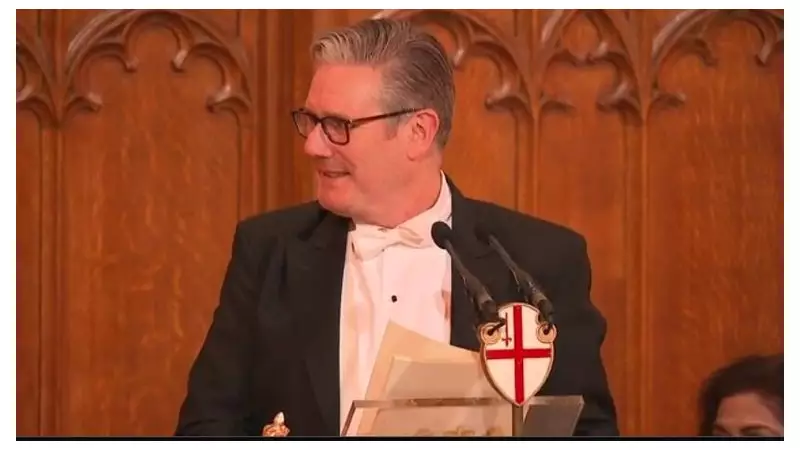
Prime Minister Sir Keir Starmer has issued a stark warning that China presents "real national security threats to the United Kingdom". He made the comments during a major speech at the Guildhall in London, setting out his government's approach to the world's second-largest economy.
A Policy of 'Sober Realism' Towards Beijing
While highlighting the security dangers, Starmer also described China as a nation of "immense scale, ambition and ingenuity" and a defining force in global technology and trade. He argued that the UK's recent policy had "blown hot and cold" and that a new, consistent strategy was needed.
"The UK needs a China policy that recognises this reality," the Prime Minister stated. "Our response will not be driven by fear, nor softened by illusion. It will be grounded in strength, clarity and sober realism." He emphasised that protecting national security was non-negotiable, but that this would enable cooperation in other areas.
Security Concerns and Diplomatic Moves
The Prime Minister's speech follows recent security alerts, including warnings to MPs last month about new Chinese espionage attempts. It also comes after the collapse of a prosecution against two individuals suspected of spying for China, a case that sparked political controversy over the government's handling of evidence requests.
Amidst these tensions, Sir Keir is understood to be preparing for a likely visit to China in the new year. Furthermore, Sky News has learned that the Prime Minister is set to approve controversial plans for a new Chinese "super embassy" on the former Royal Mint site near the Tower of London. A final decision on the long-delayed planning application is due on 10 December.
Starmer's 'Outward-Facing' Foreign Policy Defence
Sir Keir used the speech to mount a robust defence of his active international stance since taking office last year, which has included deals with the US, India, and the EU, and leading support for Ukraine.
Addressing critics who accuse him of focusing too much on global summits, he described his approach as "the biggest shift in British foreign policy since Brexit" and a decisive move to "face outward again".
While stating he would "always respect" the Brexit vote, he criticised its execution. "Wild promises were made to the British people and not fulfilled. We are still dealing with the consequences today," he said, arguing that the manner of the UK's EU departure had been "simply wrong".